
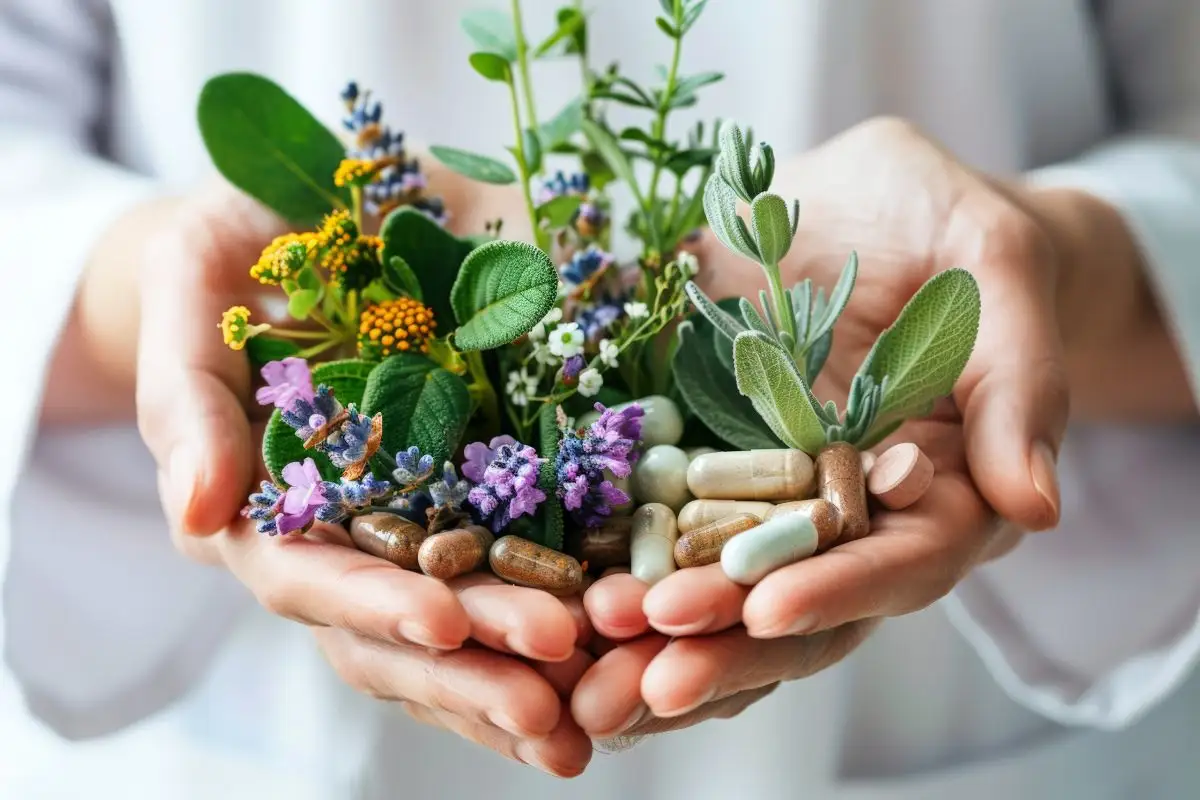


We live in an age that celebrates natural solutions, and for good reason. The gentle wisdom of plants often offers profound support for our daily wellbeing. Many of us turn to herbal remedies with a sense of comfort, perhaps seeing “natural” as a synonym for “harmless.” We might pick up a blend advertised for “detox” or “cleansing” at the health food store, assuming it’s a universally safe bet for a fresh start. Yet, this is where a crucial misconception often hides: even the most time-honored herbs, especially when used for something as broad as “detox,” carry potency, and with potency comes responsibility. Just as we wouldn’t take a conventional medication without understanding its effects, we owe the same careful consideration to our plant allies. My journey as an herbalist has taught me that true plant wisdom lies not just in knowing what an herb can do, but also what it might do in specific circumstances, and, perhaps most importantly, what it means to use it with awareness and respect. This isn’t about fear, but about empowering ourselves to navigate the vast world of herbal support safely and effectively, embracing their gifts without overlooking their potential complexities.
Understanding Plant Power: Beyond “Natural” Labels
When we talk about herbal remedies, we’re not just talking about leaves and flowers. We’re delving into a complex chemistry lab designed by nature itself. Each plant holds an intricate symphony of compounds — these are the “active constituents” that give an herb its character and its effects. Think of curcumin in turmeric, silymarin in milk thistle, or the bitter compounds in dandelion. It’s these specific molecules, often working together in synergistic ways, that interact with our bodies.
Historically, this understanding came from centuries of observation and trial-and-error. Indigenous cultures and traditional healers didn’t have microscopes, but they developed an incredible intuition for plant properties. They learned that a willow bark infusion could ease discomfort, long before we identified salicylic acid. They discovered that certain berries could support digestion, and particular roots might offer a sense of calm. This traditional knowledge forms the bedrock of our modern herbal practices.
Our ancestors also mastered various preparation methods, each designed to draw out specific aspects of a plant’s power. An infusion, or herbal tea, is typically made with delicate leaves and flowers, steeping them in hot water to extract water-soluble compounds. A decoction, on the other hand, involves simmering tougher parts like roots, bark, or seeds, to extract their deeper, often more concentrated constituents. Tinctures, made by soaking herbs in alcohol or another solvent, can capture a broader spectrum of compounds, including those not readily soluble in water, making them often more potent and shelf-stable.
Understanding these methods is key because they dictate the strength and nature of the remedy. A casual cup of dandelion leaf tea for general wellness is very different from a concentrated dandelion root decoction, which might have stronger diuretic or bitter effects. Dosage considerations are paramount. With herbs, more is not always better. Just like too much of a good food can cause discomfort, an excessive amount of even a gentle herb can lead to unintended effects. This is why careful measurement and adherence to recommended guidelines are foundational to safe practice.
When “Detox” Herbs Don’t Play Nice: Potential Interactions
The term “detox” itself often conjures images of powerful cleansing, a reset button for the body. Many herbs are traditionally associated with supporting the body’s natural elimination processes, particularly through the liver and kidneys. Milk thistle, dandelion, and burdock root are common examples lauded for these supportive roles. But here’s the rub: powerful effects can lead to powerful interactions.
Let’s consider milk thistle (Silybum marianum), often praised for its liver-supporting silymarin. While generally well-tolerated, it can influence certain liver enzymes involved in drug metabolism, notably the cytochrome P450 system. This means it could potentially alter how quickly your body processes certain medications, making them either more potent or less effective. For someone taking blood thinners, specific anti-depressants, or even certain allergy medications, this isn’t a minor detail; it’s a critical safety consideration.
Similarly, herbs commonly found in “detox” blends like cascara sagrada or senna are potent stimulant laxatives. While effective for occasional constipation, prolonged or excessive use can lead to electrolyte imbalances, dependence, and even damage to the colon. If someone is already on diuretics or other medications that affect electrolytes, combining them with these herbs could exacerbate issues, leading to serious health concerns.
I’ve encountered situations where individuals, seeking to enhance their wellbeing, combined an herbal “detox” formula with their prescribed medications, unaware of the intricate dance happening inside their bodies. One client, enthusiastic about a new herbal regimen, began experiencing unusual fatigue while taking their regular medication. After a detailed discussion, we realized the new herbs might have been altering the metabolism of their prescription. It was a clear reminder that our internal biochemistry is unique, and what works beautifully for one person might create an unexpected challenge for another. Even between two seemingly benign herbs, interactions can occur, subtly altering their combined impact. This is why a holistic view, accounting for all inputs, is always the safest approach.
Crafting Your Herbal Journey: Synergies and Sensitivities
The beauty of herbalism often lies in the art of combining herbs for synergistic effects, where the whole is greater than the sum of its parts. A skilled herbalist doesn’t just pick individual herbs; they consider how they can work together, supporting and balancing each other. For example, when creating a digestive blend, I might combine carminative herbs like ginger or fennel, which help ease gas and bloating, with bitter herbs like gentian or dandelion root, which stimulate digestive secretions. This creates a comprehensive formula that addresses multiple aspects of digestion. It’s a bit like composing music – each instrument has its part, but together they create a richer, more harmonious sound.
My personal journey has been filled with such discoveries. Early on, I remember struggling to find a tea blend that truly settled my sensitive stomach. I tried single herbs, then simple combinations, often finding one component too strong, or another not quite right. It took experimenting with different ratios and herbs – adding a touch of calming chamomile to a ginger-peppermint blend, or balancing a potent bitter with a soothing marshmallow root – to create blends that offered true comfort without causing irritation. It taught me that successful formulation is often about gentle balance, not just potent ingredients.
Integrating herbs into daily life doesn’t require a dramatic overhaul. It’s often about small, consistent habits. A daily cup of nettle infusion for mineral support, a few drops of an adaptogen tincture in the morning, or a calming valerian blend before bed. The key is consistency and observation. Start with one herb or a simple blend, introduce it gradually, and pay close attention to how your body responds. This mindful approach allows you to discern what truly supports your unique system.
Proper storage is also crucial for maintaining the potency and safety of your herbal allies. Light, heat, and air are the enemies of herbal integrity. Dried herbs should be kept in airtight containers, away from direct sunlight and excessive heat. Tinctures and oils benefit from dark glass bottles stored in a cool, dark place. I learned this the hard way when a batch of freshly dried lemon balm, stored carelessly in a clear jar on a sunny shelf, quickly lost its vibrant aroma and calming properties. It was a tangible lesson in respecting the fleeting nature of active constituents.
Finally, while we deeply value traditional wisdom, modern research offers an invaluable lens. Comparing traditional uses with current scientific understanding allows us to bridge ancient knowledge with contemporary insight. It helps us understand why certain traditions persisted, identifying the mechanisms behind the reported benefits, and sometimes, confirming potential cautions. It’s not about choosing one over the other, but integrating both for a more comprehensive and informed practice.
Decoding the Labels: What to Look for, What to Avoid
Navigating the herbal marketplace can feel a bit like wading through a dense forest without a map. Understanding what’s on a product label, and what isn’t, is fundamental to making informed choices. The first rule of thumb: quality sourcing matters immensely. Look for products from reputable suppliers who prioritize organic, sustainably wildcrafted, or ethically cultivated herbs. The soil an herb grows in, the climate it thrives in, and the care taken in its harvesting and processing all impact its potency and purity. Adulteration, where cheaper or different plant material is substituted, is an unfortunate reality in the herbal industry, underscoring the need for trusted brands.
Then there’s the discussion around standardization versus whole plant medicine. Some herbal extracts are “standardized” to contain a specific percentage of a known active constituent, like St. John’s wort standardized for hypericin. This offers consistency in dosage, which can be beneficial. However, many herbalists advocate for whole plant extracts, believing that the complex array of compounds in the entire plant works synergistically, offering a broader and often gentler spectrum of effects than an isolated constituent. Neither approach is inherently superior; rather, they offer different benefits, and your choice might depend on the specific herb and your wellness goals.
Perhaps one of the most reassuring signals of a quality product is third-party testing. Reputable companies will often submit their products for independent laboratory analysis to verify identity, purity, and potency, checking for contaminants like heavy metals, pesticides, and microbial growth. This transparency builds trust and offers an extra layer of safety for consumers.

Be wary of red flags: exaggerated claims, “miracle cures,” or products promising immediate, dramatic results for a wide range of ailments. Such claims often lean into hyperbole rather than genuine herbal wisdom and can be a sign of a less scrupulous producer. True herbal support is typically a slower, more subtle process of nurturing the body back to balance.
And speaking of subtlety, let’s acknowledge a truth often glossed over: not all potent herbs taste like a delightful cup of berries. Some of the most effective bitter tonics, like gentian or even certain preparations of dandelion root, have a strong, challenging flavor. My first experience with a potent goldenrod tincture was… memorable, to say the least! It was earthy, slightly acrid, and definitely not “pleasant.” But that distinctive taste was part of its character, a signal of its bitterness and its ability to stimulate digestion. If every “detox” tea tasted like candy, it might be a hint that something essential has been diluted or masked. Embracing the authentic, sometimes “imperfect” sensory experience of herbs is part of the journey.
Your Body, Your Guide: Listening for Subtle Signals
One of the most profound lessons in herbalism is learning to become a diligent observer of your own body. While general guidelines exist, individual responses to herbs can vary significantly due to genetics, diet, lifestyle, and existing health conditions. This is why the advice to “start low and go slow” is paramount. Begin with a smaller dose than recommended, and gradually increase it as you observe your body’s reaction. This approach minimizes the risk of adverse effects and helps you pinpoint the optimal amount for your unique system.
Monitoring for adverse reactions is a key part of this self-observation. These reactions aren’t always dramatic. They can be subtle: a mild digestive upset, a faint skin rash, unusual headaches, or changes in sleep patterns. If you notice any new or uncomfortable symptoms after introducing an herb, it’s a clear signal to pause, reduce the dose, or discontinue use and assess. Sometimes, it’s just a matter of adjusting the timing or the dose. Other times, it means that particular herb isn’t the right fit for you at this moment.
I vividly recall a period when I was particularly stressed and, seeking support, decided to try a specific adaptogenic herb known for its energizing properties. Despite its excellent reputation, it made me feel jittery and unable to settle, rather than energized. It wasn’t a severe reaction, but a clear signal that, for my current constitution and stress levels, it wasn’t the right choice. Instead of forcing it, I respectfully set it aside and explored other calming adaptogens that resonated better. This experience underscored the importance of listening to my own body’s feedback, even when an herb is generally lauded.
A simple yet powerful tool for tracking your responses is a wellness journal. Jot down the herbs you’re using, the dosage, the time of day, and any physical or emotional shifts you notice. This practice provides valuable data over time, helping you connect the dots between your herbal practices and your overall wellbeing. It empowers you to become your own best advocate and adjust your routines based on real-time feedback.
Ultimately, while herbs offer incredible support, they are partners in your wellness journey, not magic bullets. If you experience persistent or concerning symptoms, or if you’re ever unsure about combining herbs with medications or existing health conditions, it’s always wise to consult with a qualified healthcare professional, such as a doctor, pharmacist, or a clinical herbalist who can offer personalized guidance. Your wellbeing is a symphony, and every instrument needs to play in harmony.
Beyond the Bottle: Holistic Wellbeing and Ethical Choices
Integrating herbs into your daily life extends far beyond just taking a capsule or sipping a tea. It’s about cultivating a deeper connection to nature and making conscious choices that support both your health and the planet’s. This often begins with ethical sourcing. Many popular medicinal plants are facing increasing demand, putting pressure on wild populations. Choosing herbs that are organically grown or sustainably wildcrafted by responsible harvesters helps protect vulnerable species and their habitats. Understanding the journey of your herbs – from seed to supplement – fosters a sense of stewardship and appreciation.
Wildcrafting, the practice of gathering plants from their natural habitat, is a deeply rewarding endeavor, but it comes with significant responsibilities. It demands accurate plant identification skills to avoid misidentifying a beneficial herb for a toxic lookalike. It also requires understanding sustainable harvesting practices – taking only what you need, leaving plenty for the plant to regenerate, and respecting the ecosystem. I remember the quiet satisfaction of harvesting nettle from a local, abundant patch, knowing I was gathering it respectfully, ensuring its continued growth for future seasons. It’s a practice that grounds you in the rhythm of the earth.
When considering herbs for the entire household, family safety is paramount. Not all herbs are suitable for children or pregnant individuals. What might be a gentle, supportive herb for an adult could be too potent for a child. Always research and consult an expert before giving herbs to the youngest or most sensitive members of your family. Store all herbal preparations safely, out of reach of curious hands, just as you would any other household product.
It’s also helpful to be aware of the regulatory landscape surrounding herbal remedies. In many countries, herbs are regulated as dietary supplements, which typically means they do not undergo the same pre-market approval process as pharmaceuticals. This places a greater emphasis on the consumer to seek out reputable brands and to understand the limitations and potential risks. Informed choice becomes a personal responsibility.
Ultimately, integrating herbs mindfully is part of a larger picture of lifestyle optimization. It complements a balanced diet, adequate sleep, regular movement, and stress management practices. Herbs can be powerful allies in cultivating wellbeing, but they thrive best when supported by a holistic approach to life. By understanding our plant allies, respecting their potency, and making conscious choices, we not only nurture our own health but also contribute to the preservation of invaluable plant knowledge for generations to come. This enduring wisdom, passed down through cultures and refined by experience, reminds us of our deep connection to the natural world.
The journey with herbal remedies is less about finding a quick fix and more about cultivating a deeper relationship with our bodies and the plant world around us. It’s a continuous process of learning, observing, and adapting. Rather than seeking a dramatic “detox” overhaul, consider the quiet power of consistency and gentle support. Start by observing your own daily rhythms, noticing what small shifts might bring greater balance. Perhaps it’s a simple nettle tea for daily nourishment, or a chamomile infusion to unwind in the evenings. Gradually, as you experiment with safe preparations and heed your body’s unique responses, you’ll build a personalized herbal toolkit that truly resonates. Remember, the most profound wellbeing often stems from informed choices, mindful presence, and the nurturing power of nature, used wisely and with respect.
Navigating the world of herbal remedies, particularly those marketed for “detox,” requires a mindful and informed approach. As a senior herbalist, I’ve seen firsthand the profound benefits of plants, but also the critical importance of understanding their nuances. When it comes to supporting our body’s natural cleansing processes, a remedy labeled “safe” might still harbor complexities depending on our individual physiology, existing health conditions, or other factors. It’s crucial to empower ourselves with knowledge, to listen deeply to our bodies, and to always prioritize safety.
Here, we address some vital questions about those less obvious considerations that can arise with seemingly benign herbal detox preparations.
Navigating the Unseen: Addressing Unexpected Reactions to Herbal Detox Remedies

1. Why might a seemingly “safe” herbal detox remedy cause unexpected reactions in some individuals?
Even well-regarded herbs, when used for “detox,” interact uniquely with each person’s biochemistry. What’s beneficial for one might be overwhelming or unsuitable for another. Factors like undisclosed ingredients, incorrect dosage, the duration of use, or existing, perhaps undiagnosed, health conditions can all play a role. For instance, an herb promoting liver support might be too stimulating for someone with a sensitive digestion, or a mild diuretic could exacerbate dehydration if water intake isn’t sufficient. Our individual metabolic pathways, genetic predispositions, and even current stress levels influence how we process herbal compounds, making “safe” a relative term that necessitates personal awareness.
2. What are the common subtle signs that an herbal detox preparation might be causing an adverse effect, rather than just “detox symptoms”?
While some mild initial discomfort like slight headaches or fatigue can sometimes accompany dietary or lifestyle shifts, persistent or worsening symptoms should raise a red flag. True adverse effects from an herbal detox might manifest as ongoing nausea, persistent digestive upset (beyond initial adjustment), skin rashes, unusual fatigue or dizziness, significant mood changes, or even heart palpitations. The key differentiator is whether symptoms are improving or remaining steady versus worsening or becoming debilitating. A “detox symptom” usually dissipates quickly as the body adjusts, whereas a negative reaction often persists or intensifies, signaling a need for immediate review.
3. How can herbal detox formulas interact with conventional medications or other supplements, and what should I look out for?
Herbal compounds are potent biochemical agents, and many can interact with pharmaceuticals, altering their efficacy or increasing side effects. For example, certain detox herbs known to stimulate liver enzymes (like St. John’s Wort) can accelerate the metabolism of conventional drugs, making them less effective. Conversely, some herbs can inhibit these enzymes, leading to higher drug concentrations and potential toxicity. Common interaction categories include blood thinners (e.g., coumarin-containing herbs), antidepressants, medications for diabetes or blood pressure, and hormonal contraceptives. It’s absolutely critical to disclose all herbal and pharmaceutical intake to your healthcare providers to prevent dangerous interactions.
4. Are certain individuals more susceptible to adverse reactions from herbal detox remedies?
Absolutely. Certain populations are inherently more vulnerable due to unique physiological states or existing health challenges. This includes pregnant or nursing individuals, who should approach any herbal intake with extreme caution due to potential effects on fetal development or breast milk. Children and the elderly also require careful consideration, as their metabolic systems can be more sensitive or compromised. Individuals with chronic liver or kidney conditions, autoimmune disorders, or those on multiple prescription medications are at a higher risk of adverse reactions or problematic interactions, as their bodies may struggle to process herbal compounds effectively.
5. What immediate steps should I take if I suspect I’m experiencing a negative side effect from an herbal detox blend?
Your first and most crucial step is to stop taking the herbal detox product immediately. Hydrate well with pure water. Observe and note your symptoms, including their onset, severity, and any changes over time – this information will be invaluable. Promptly contact a qualified healthcare professional, such as your medical doctor, pharmacist, or a board-certified clinical herbalist, to discuss your experience. Do not try to “push through” adverse symptoms, as this can potentially lead to more serious issues. Err on the side of caution and seek professional guidance to assess the situation.
6. Beyond individual sensitivity, what other factors can contribute to hidden dangers in herbal detox products?
The quality and sourcing of herbal products are paramount. Unfortunately, the market can contain products with hidden dangers such as adulteration, where cheaper or incorrect ingredients are substituted. Contamination with heavy metals, pesticides, molds, or even pharmaceutical drugs can occur, particularly in unregulated markets or from unscrupulous suppliers. Misidentification of plants is another serious concern, where a benign herb is confused with a toxic look-alike. Lack of transparency in labeling regarding active constituents, origin, or processing methods further obscures potential risks, making consumer vigilance and choosing reputable brands essential.
7. How can I responsibly research the safety and potential interactions of an herbal detox product before I begin using it?
Responsible preparation is key. Begin by consulting reputable, evidence-informed sources such as monographs from the American Herbal Pharmacopoeia (AHP), the World Health Organization (WHO), or the German Commission E. Look for guidance from accredited professional herbalist associations. Scrutinize product labels for clear ingredient lists, dosage recommendations, and certifications. Don’t hesitate to contact the manufacturer with specific questions about sourcing and testing. Most importantly, consult with a qualified clinical herbalist or your primary healthcare provider, especially if you have existing health conditions or are taking medications. They can offer personalized advice based on your health profile.
8. The term “natural” often implies safety. How do you, as an experienced herbalist, view this in the context of detox remedies?
The notion that “natural” inherently means “safe” is a widespread misconception that, as an herbalist, I’m keen to address. While herbs are gifts from nature, many are profoundly potent and require as much respect and informed use as any pharmaceutical. Belladonna, foxglove, and hemlock are all “natural,” yet highly toxic. The effectiveness and safety of an herb depend on its precise preparation, dosage, the individual’s constitution, and potential interactions. A responsible herbalist approaches every plant with knowledge of its energetics, constituents, and potential contraindications. Always remember: powerful agents, whether synthetic or natural, demand mindful application.
9. When should I prioritize consulting a medical doctor over an herbalist if I’m concerned about an unexpected reaction to a detox herb?
While a qualified herbalist can offer invaluable insights into plant actions and milder reactions, certain symptoms necessitate immediate medical attention. If you experience severe pain, difficulty breathing, signs of a serious allergic reaction (like swelling of the face or throat, hives), prolonged or severe vomiting/diarrhea leading to dehydration, unexplained fever, or any symptom that feels life-threatening or rapidly worsening, consult a medical doctor or emergency services without delay. For individuals with serious pre-existing chronic conditions or those on critical, life-sustaining medications, a medical doctor should always be the primary point of contact for any health concerns or potential adverse effects.
10. What role does consistency and duration of use play in developing hidden side effects from herbal detox remedies?
Consistency and duration are critical considerations that can unveil latent side effects. While a short-term use of an herb might be benign, prolonged or consistent use can lead to an accumulation of certain compounds in the body, potentially revealing dose-dependent toxicities or chronic adverse effects not apparent in shorter trials. Some herbs, for instance, might be perfectly safe for a week but could become problematic after several months, affecting liver enzymes or kidney function. It’s why recommended usage guidelines, including duration and dosage breaks, are so important. Always respect these parameters and consult with an expert if you plan extended use, to ensure ongoing safety and efficacy.