
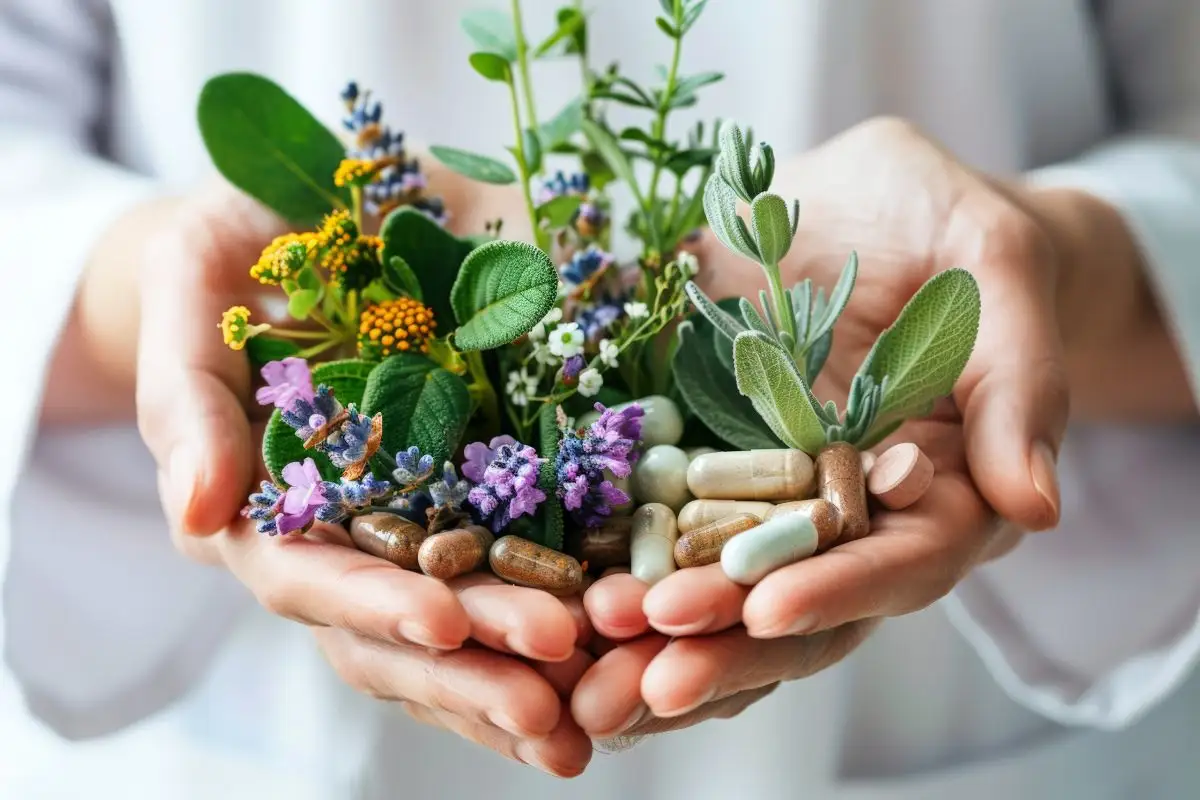


That comforting, familiar ache settles in your bones, a scratchy throat signals a change, and suddenly, the sniffles arrive. It’s flu season, and many of us reach for time-honored herbal allies – a soothing elderberry syrup, a warming ginger tea, perhaps an Echinacea tincture we’ve relied on before. There’s a deep-seated human instinct to seek wellness from the earth, and for good reason; plants offer profound support. Yet, it’s also a time when many of us might be juggling a prescription or two, perhaps for a chronic condition, or even just over-the-counter flu remedies. The world of herbal remedies, though rooted in nature, is far from simple. It’s a dynamic interplay of potent plant chemistry, and sometimes, those powerful plant compounds can engage in unexpected conversations with our prescribed medications. The desire to feel better naturally is strong, but the need for informed, cautious integration is even stronger.
# Unearthing Herbal Wisdom: More Than Just Leaves and Roots
For centuries, cultures worldwide have turned to the botanical world for comfort and healing. My own journey into herbalism began not in a textbook, but in my grandmother’s kitchen, watching her steep infusions and concoct salves. She understood, intuitively, that plants held active constituents – complex chemicals like polyphenols, alkaloids, and terpenes – each contributing to the plant’s unique profile. Today, modern science helps us understand why these traditions worked. For instance, the deep purple berries of the elder, Sambucus nigra, have long been revered for their supportive role during seasonal challenges, a wisdom now backed by research into their immune-modulating properties.
Preparation methods are key to how these constituents are delivered. A simple infusion or tea, made by pouring hot water over delicate leaves or flowers, offers a gentle way to absorb water-soluble compounds. For tougher materials like roots or bark, a decoction is often preferred, involving simmering them for a longer period to extract deeper goodness. Then there are tinctures, potent alcohol extracts that capture a broader spectrum of compounds, offering a more concentrated effect. Each method has its purpose, influencing not only the desired outcome but also the strength and potential impact of the remedy. Dosage, too, isn’t a one-size-fits-all equation; it depends on the plant, the preparation, and the individual. This deep respect for plant power, passed down through generations, underscores the fact that “natural” doesn’t automatically mean “inert.” It means potent.
# Decoding the Dialogue: When Herbs and Prescriptions Converse
The idea that a humble plant could influence the action of a carefully formulated pharmaceutical might seem surprising, but it’s a fundamental aspect of how the body processes substances. Think of your body as a highly efficient processing plant, with specific pathways and enzymes designed to break down everything you ingest. Many herbs, just like many medications, utilize or influence these same pathways, particularly the cytochrome P450 (CYP) enzyme system in your liver. This is where the critical conversations happen, sometimes silently, sometimes with serious implications.
I once worked with a client who, during a period of stress, started taking St. John’s Wort tincture daily for mood support. She was also on a prescription antidepressant. Thankfully, during our initial consultation, she mentioned all her supplements. It was a close call. St. John’s Wort (Hypericum perforatum) is well-known for its potential to reduce the effectiveness of many medications, including certain antidepressants, birth control pills, and blood thinners, by speeding up their breakdown in the liver. This kind of interaction can render a vital medication less effective, leaving you vulnerable, or in other cases, it can amplify side effects.
When you’re dealing with flu symptoms and potentially taking remedies, some common herbal players deserve special attention regarding drug interactions:

Elderberry (Sambucus nigra): While generally safe and a wonderful immune ally, elderberry is thought to have immune-stimulating properties. For someone on immunosuppressant drugs (though less common during a typical flu, it’s a principle to remember), there’s a theoretical concern. More notably, some research suggests a mild anticoagulant effect, meaning it could theoretically interact with blood-thinning medications.
Echinacea (Echinacea purpurea/angustifolia): Another popular choice for immune support. Like St. John’s Wort, Echinacea can sometimes interact with medications metabolized by the CYP enzyme system. It might also stimulate the immune system, potentially interfering with immunosuppressants.
Ginger (Zingiber officinale): A fantastic herb for nausea and warmth, ginger has mild blood-thinning properties. If you’re taking prescription anticoagulants like Warfarin or antiplatelet drugs, consuming large amounts of ginger could enhance their effects, increasing the risk of bleeding.
Garlic (Allium sativum): A kitchen staple and a traditional immune supporter. Fresh garlic, especially in higher doses, is a potent blood thinner and can significantly increase the risk of bleeding when combined with anticoagulants. It can also interfere with some antiviral and blood pressure medications.
Licorice Root (Glycyrrhiza glabra): A soothing herb often found in throat lozenges and teas, licorice root can influence blood pressure and electrolyte balance. This means it can interact with diuretics, corticosteroids, and certain heart medications, potentially leading to dangerous imbalances.
Grapefruit: While not an herb, grapefruit serves as a prime example of how even “food” can be medically active. It famously interacts with dozens of medications, including statins, blood pressure drugs, and immunosuppressants, by inhibiting the very enzymes that break them down, leading to higher drug levels in your system. This highlights how complex the interaction landscape truly is, urging us to be equally thoughtful about our herbal choices.
These interactions can be synergistic, amplifying effects (sometimes dangerously), or antagonistic, reducing the efficacy of your medication. The key takeaway is this: your body processes everything. It doesn’t differentiate between “natural” and “pharmaceutical” in terms of metabolic pathways. Always, always have an open conversation with your healthcare provider or a qualified herbalist about every supplement and herb you’re considering, especially during periods of illness or when starting new medications.
# Navigating Potency and Personal Response: Your Body, Your Guide
One of the beautiful yet challenging aspects of herbal remedies is their inherent variability. Unlike pharmaceuticals, which are synthesized to precise specifications, the potency of an herb can differ based on growing conditions, harvest time, processing methods, and even the plant part used. A tea made from fresh ginger root will have a different intensity than a highly concentrated ginger extract or tincture. This is why a “start low, go slow” approach is foundational in herbal practice.
I often encourage people to begin with the smallest recommended dose, observing how their body responds over a few days before considering increasing it. For instance, when I first started exploring Valerian root for occasional sleeplessness, I began with a very diluted tea, then moved to a stronger infusion, noting subtle shifts. Some people find Valerian deeply calming, while a small percentage experience the opposite. This personal observation is invaluable. What works beautifully for one individual might not be the best fit for another, even with the same herb.
Furthermore, how you store your herbs matters. Light, heat, and air are the enemies of potency, breaking down delicate plant compounds over time. I’ve learned from experience that keeping dried herbs in airtight, dark glass jars, away from direct sunlight, preserves their vibrancy and effectiveness far longer than an open bag on the kitchen counter. This attention to detail isn’t just about making your herbs last; it’s about respecting their power and ensuring they can offer their full potential when you need them.
# Weaving Herbs Into Your Life: A Tapestry of Wellness
Integrating herbs effectively into your daily life is an art form, blending ancient wisdom with contemporary understanding. It’s not just about what you take, but how you take it and why.

For managing seasonal challenges, combining herbs thoughtfully can offer a more holistic approach. A blend of elderberry for immune support, ginger for warmth and comfort, and a touch of licorice root for soothing a scratchy throat can work synergistically. The focus isn’t on “curing” the flu, but on supporting your body’s innate ability to navigate the challenge, easing discomfort, and encouraging recuperation. My personal routine often includes a warming ginger-lemon-honey infusion at the first hint of chill, a simple ritual that brings both physical comfort and a sense of calm.
This mindful approach also extends to where your herbs come from. Ethical sourcing is paramount. The surging popularity of certain herbs has put pressure on wild populations, leading to over-harvesting in some areas. Seeking out reputable suppliers who practice sustainable cultivation or fair-trade sourcing is a small but powerful way to ensure your wellness doesn’t come at the planet’s expense. For those deeply connected to nature, wildcrafting – gathering herbs from the wild – can be incredibly rewarding, but it demands expert identification skills, a deep understanding of local ecosystems, and strict adherence to sustainable harvesting practices and local regulations. It’s a practice best learned from experienced mentors, not a simple DIY project.
When it comes to family safety, the “start low, go slow” principle becomes even more crucial. Children, pregnant individuals, and nursing parents have unique physiological considerations. Dosing for children, for example, is often significantly lower and limited to specific gentle herbs. Certain potent herbs are contraindicated during pregnancy or lactation altogether. Always consult a qualified practitioner experienced in family herbalism to ensure safety for your loved ones. Understanding regulatory awareness is also key; the herbal supplement market isn’t regulated with the same rigor as pharmaceuticals in many regions, meaning product quality and purity can vary widely. Choosing brands that prioritize third-party testing and transparency helps ensure you’re getting what you expect.
Ultimately, integrating herbs into your life is about cultivating a deeper connection to your own wellbeing and the natural world. It’s a journey of continuous learning, listening to your body, and making informed choices. The practice of preparing a warming tea, infusing a soothing oil, or carefully selecting a tincture can become a meditative ritual, grounding you in the present moment. Yes, there’s effort involved – chopping fresh roots, waiting for tinctures to steep, or even just researching credible sources – but this engagement fosters a powerful sense of agency in your wellness journey.
This path is not about replacing professional medical care, but about complementing it with wisdom, awareness, and respect for both the ancient power of plants and the advancements of modern science. Build your confidence gradually, observe how your body responds to specific herbs, and don’t hesitate to seek guidance from a qualified herbalist or an integrative doctor. Your wellbeing is a tapestry woven from many threads, and herbs, chosen wisely and used respectfully, can be a beautiful, supportive addition to its intricate design.
Safeguarding Your Wellness: Understanding Interactions Between Herbs and Flu Prescriptions
As a dedicated herbalist and wellness strategist, few topics are as vital to discuss as the potential interplay between our beloved plant allies and conventional pharmaceuticals, particularly when dealing with acute conditions like the flu. Our aim in embracing herbal remedies is always to support the body, enhance resilience, and move towards greater wellbeing. However, this journey requires discernment, respect for both ancient wisdom and modern science, and above all, an unwavering commitment to safety.
Navigating flu season can bring a host of symptoms – body aches, fever, congestion – and with them, the temptation to reach for every available support. Yet, it’s precisely in these moments that thoughtful consideration of what we’re putting into our bodies becomes paramount. The body is a complex ecosystem, and introducing multiple agents, whether from the garden or the pharmacy, demands an understanding of how they might interact. My years of practice, observing countless individuals integrate herbs into their lives, have underscored the profound importance of this awareness. Let’s delve into the crucial insights you need to confidently and safely manage your wellness during flu season, especially when prescriptions are part of the picture.

1. Why is it essential to consider interactions between herbal remedies and prescription flu medications?
It’s absolutely essential because, like pharmaceuticals, many herbs possess potent biochemical actions within the body. While natural, these compounds can influence physiological processes in ways that might overlap with, amplify, or diminish the effects of prescription drugs. For instance, some herbs can affect how medications are absorbed, metabolized by the liver, or excreted by the kidneys. When you’re managing flu symptoms, often under stress, clarity on these potential interactions isn’t just wise—it’s a critical component of responsible self-care. Ignoring this dynamic could inadvertently lead to unintended side effects, reduced efficacy of your prescriptions, or even adverse health outcomes. My own experience has shown that a proactive, informed approach builds a much stronger foundation for true wellness.
2. How do herbal remedies typically interact with pharmaceuticals?
Herbal remedies can interact with pharmaceuticals through several primary mechanisms. One common pathway is through pharmacokinetic interactions, affecting how the body handles the drug. This includes altering absorption rates in the gut, influencing liver enzymes (like the cytochrome P450 system) that metabolize drugs, or changing kidney excretion. For example, some herbs might speed up drug metabolism, reducing its effect, while others might slow it down, leading to higher drug levels and potential toxicity. Another type is pharmacodynamic interaction, where herbs and drugs have similar (synergistic) or opposing (antagonistic) effects on the body’s systems. An herb that acts as a mild sedative, for instance, could intensify the effects of a prescription sedative, potentially leading to excessive drowsiness. Understanding these broad categories helps us recognize the diverse ways interactions can manifest.
3. Are there common categories of herbal actions or constituents that frequently raise concerns with prescriptions, especially for flu symptoms?
Indeed, there are several categories of herbal actions that warrant particular caution. Herbs known for their blood-thinning properties (e.g., high doses of ginger, garlic, feverfew, ginkgo) can interact dangerously with anticoagulant medications like warfarin or antiplatelet drugs. Similarly, herbs with immune-stimulating effects (e.g., Echinacea, Astragalus) might interfere with immunosuppressant drugs or conditions like autoimmune diseases, requiring careful discernment. Herbs that impact blood pressure (e.g., licorice root in large doses) can clash with antihypertensive medications. Furthermore, many herbs contain compounds that influence liver enzymes responsible for drug metabolism, potentially altering the potency of a wide array of medications. Lastly, herbs with sedative or stimulant properties can enhance or counteract similar pharmaceutical effects. It’s not about avoiding these wonderful plants, but about using them with informed respect for their potent biochemistry.
4. What kind of serious side effects could manifest if an interaction occurs during flu treatment?
Serious side effects from herb-drug interactions can range significantly, but they often involve either increased toxicity of the medication or decreased efficacy, meaning your prescription isn’t working as intended. For example, an herb that slows drug metabolism could lead to dangerously high levels of a prescription medication in your system, potentially causing organ damage, severe allergic reactions, or exaggerated side effects. Conversely, an herb that speeds up metabolism could render a crucial drug ineffective, prolonging illness or leading to worsening conditions that the drug was meant to manage. Interactions affecting blood clotting can lead to uncontrolled bleeding or, conversely, dangerous clot formation. Neurological symptoms like severe dizziness, confusion, or extreme drowsiness can also occur. These are not minor inconveniences; they can necessitate emergency medical attention, underscoring the gravity of taking a thoughtful, informed approach.
5. What are the warning signs or symptoms that might indicate an adverse interaction is occurring?

Recognizing warning signs is crucial. If you’re combining herbs and prescriptions and experience any unusual or exaggerated symptoms, pay close attention. These might include: sudden or severe dizziness or confusion, unexplained fatigue or drowsiness, unusual bleeding or bruising, a rapid or irregular heartbeat, nausea, vomiting, or diarrhea beyond what’s expected for the flu, skin rashes or hives, swelling, or any worsening of your existing symptoms despite taking your medications. If you notice your prescription medication seems less effective than usual, that’s also a potential red flag. My practical advice is this: trust your intuition. If something feels “off” or different from previous experiences with either the herb or the drug, consider it a signal to pause and seek professional advice immediately. It’s far better to be overly cautious than to overlook a genuine concern.
6. I’m currently taking prescription medications for other conditions. Can I still use herbal remedies for flu support?
Absolutely, but with a significant caveat: always consult with both your prescribing physician and a qualified herbalist before introducing any new herbal remedy. Your existing medical conditions and current medications form a complex tapestry. Adding new components, even natural ones, without professional guidance is akin to trying to fix a delicate clock without understanding its intricate gears. A skilled herbalist can offer insights into which herbs might be generally safe for your specific situation, suggest appropriate dosages, and highlight any potential red flags. Your doctor can provide essential context regarding your prescription’s mechanisms and any known interactions. I’ve seen many individuals successfully integrate herbs for seasonal support alongside their regular medications, but this success story invariably begins with open communication with all members of their healthcare team.
7. What is the most responsible way to integrate herbal remedies if I’m also using prescription flu treatments or other daily medications?
The most responsible approach hinges on proactive, transparent communication and careful research.
1. Disclose Everything: Inform your doctor or pharmacist about all herbal remedies, supplements, and even fortified foods you consume regularly. Similarly, inform your herbalist about all prescription medications and medical conditions.
2. Research Diligently: Before starting any new herb, research its known interactions. Reputable herbal monographs, academic databases, and credible herbalist associations are good starting points.
3. Start Low, Go Slow: If cleared by professionals, introduce one herb at a time and begin with the lowest effective dose. Observe your body’s response carefully.
4. Time Dosing: Sometimes, simply separating the dosing times of herbs and medications can reduce interaction risks, though this should be specifically discussed with a professional.
5. Monitor Closely: Pay attention to any new or unusual symptoms, or changes in how your prescription medications seem to be working.
This level of mindfulness isn’t about fear; it’s about empowerment through knowledge, ensuring you’re supporting your body harmoniously.
8. Are certain individuals more vulnerable to adverse interactions between herbs and prescriptions?
Yes, absolutely. Several groups are at a higher risk for adverse interactions. Older adults often take multiple medications (polypharmacy) and may have altered liver and kidney function, making them more susceptible to drug accumulation and interactions. Individuals with chronic health conditions like kidney disease, liver disease, heart conditions, or autoimmune disorders are also more vulnerable, as their systems may already be compromised or highly sensitive to changes. Those undergoing chemotherapy or taking immunosuppressants must exercise extreme caution. Pregnant or breastfeeding individuals should always consult with healthcare providers before using any herbal remedy, as potential effects on the fetus or infant are a primary concern. Finally, individuals with a history of adverse drug reactions should approach any new substance, herbal or pharmaceutical, with heightened awareness and professional guidance.
9. Beyond direct interactions, what other safety considerations should I keep in mind when combining herbal and conventional flu care?
Beyond direct biochemical clashes, several other safety aspects warrant our attention. One significant concern is the potential for masking symptoms. An herbal remedy might alleviate a symptom (like fever or pain) that is actually a crucial diagnostic indicator for your doctor regarding the severity or progression of your flu. This could delay appropriate conventional medical intervention. Another consideration is the cumulative burden on the liver and kidneys. Both organs are vital for processing and eliminating substances from our bodies, and overloading them with multiple compounds, whether herbal or pharmaceutical, during an illness can be taxing. There’s also the risk of misdiagnosis or diagnostic interference if certain herbal constituents alter lab test results. My consistent advice is to always use discretion, share all information with your practitioners, and prioritize getting a clear diagnosis and understanding of your condition.
10. From your perspective as an experienced herbalist, what’s the foundational principle for safely navigating herbal and conventional approaches during flu season?
The foundational principle, learned over decades of working with plants and people, is informed collaboration and profound respect for the body’s wisdom.* It’s about approaching your health with an open mind, recognizing the unique strengths of both herbal traditions and modern medicine, and understanding that they are not mutually exclusive but require careful integration. My personal journey has often involved using gentle, supportive herbs for daily resilience, and then, if a stronger flu takes hold, collaborating with my physician on appropriate conventional care while ensuring any continued herbal support is safe and complementary. Never replace professional medical advice for serious conditions. Instead, view your herbalist, doctor, and pharmacist as a team. Be curious, ask questions, and trust the guidance of experienced professionals. This mindful, holistic approach empowers you to truly partner with your body, using every tool responsibly to foster health and recover with vitality.