
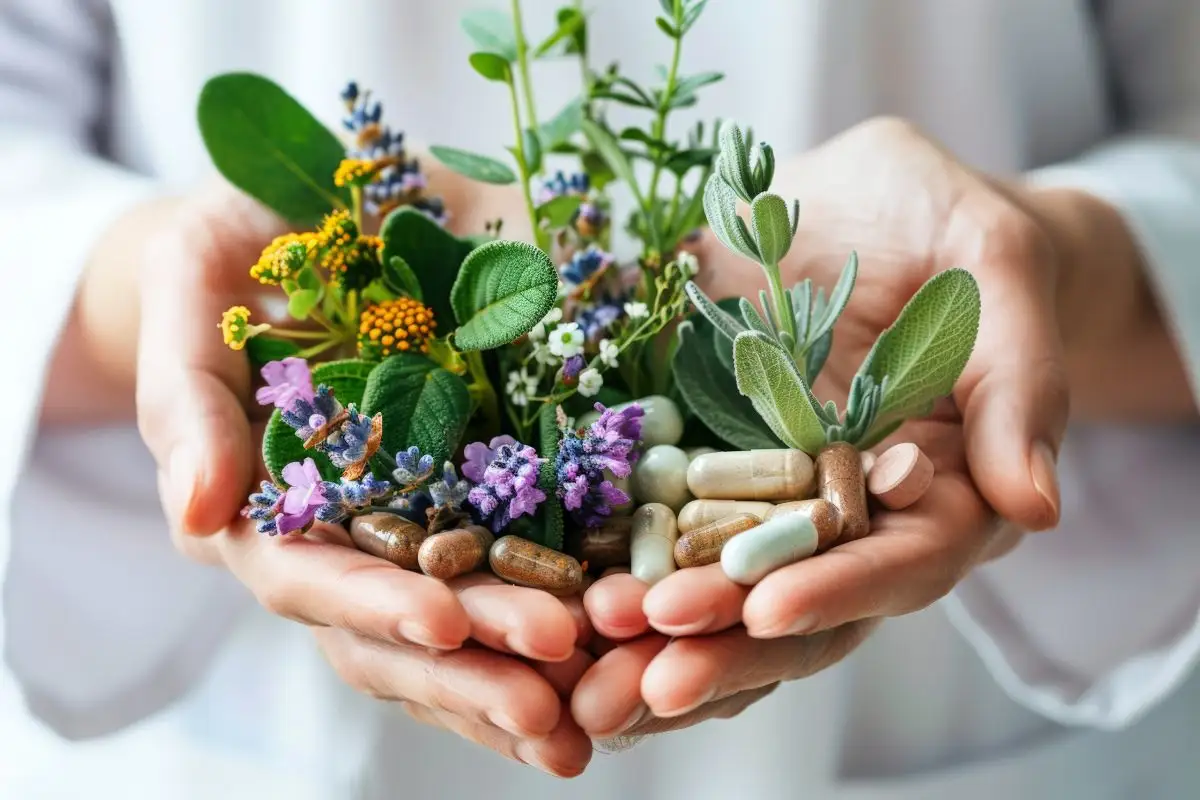


The warmth of a freshly steeped mug of ginger tea, fragrant and sharp, has often been my first port of call when my stomach feels a little unsettled. It’s a quiet ritual, a simple act of caring for myself with ingredients I know and trust. This familiar comfort is a common thread in many homes, drawing us toward kitchen-based solutions for everyday woes. We are, after all, wired to seek solace and agency in our well-being. But in this beautiful dance with the wisdom of the earth, there’s a vital, often understated rhythm we must not ignore: the call for deeper understanding, for professional insight, especially when it comes to something as intricate as digestive health.
Sometimes, our belief in the gentle power of a homemade remedy can, inadvertently, cast a long shadow over a more serious underlying issue. It’s a common misconception that if something is natural, it’s inherently harmless, or that it’s always sufficient. This isn’t about dismissing the efficacy of age-old practices, but about recognizing the boundary where supportive self-care ends and diagnostic clarity begins. What happens when our commitment to DIY remedies for an unhappy gut delays a crucial conversation with a healthcare professional? It’s a question that invites us to walk a path of mindful experimentation, grounded in both wisdom and caution.
The Quiet Power of Kitchen Alchemy: Building Your Foundational Toolkit
The journey into natural remedies often begins right at our kitchen counters. Here, humble ingredients transform into supportive allies for minor discomforts. Think of peppermint, renowned for its ability to soothe occasional gas and bloating, or ginger, a stalwart against everyday nausea. Chamomile, a gentle floral friend, often calms general digestive unease. Fennel seeds, when chewed or brewed, can offer relief from minor post-meal fullness. These are not cures, but rather traditional supports that help our systems feel a bit more at ease.
When crafting these simple preparations, a few foundational principles pave the way for safety and effectiveness. Hygiene is paramount; clean hands, clean tools, and fresh, high-quality ingredients are non-negotiable. For instance, when making an infusion, like a soothing peppermint tea, I always ensure my teapot is spotless and the water is filtered. I’ve learned that the quality of dried herbs can vary significantly; sourcing from reputable suppliers makes a tangible difference in both potency and peace of mind.
While most internal remedies carry low risk for healthy individuals when used judiciously, vigilance is still key. I once had a friend who, eager to try a new herbal blend for persistent digestive discomfort, brewed a potent mixture without considering potential sensitivities. It turns out one of the herbs, while generally benign, caused a mild allergic reaction for her. This experience cemented my personal practice of starting with small doses and observing my body’s response. For topical applications, a patch test on a small area of skin is always a wise first step.
Setting realistic expectations is perhaps the most vital foundation. These home preparations excel at offering comfort, aiding relaxation, and supporting the body’s natural processes. They are wonderful for minor, fleeting issues. They are not designed to diagnose, treat, or resolve chronic, severe, or worsening conditions. Understanding this distinction is the cornerstone of responsible self-care.

Crafting with Care: Infusions, Syrups, and the Art of Storage
Stepping into the practical craft of making remedies brings a satisfying sense of connection to our well-being. Take infusions, for example. These are essentially strong teas where dried herbs (or fresh leaves, like mint) are steeped in hot water. For a calming chamomile infusion, I use about a teaspoon of dried flowers per cup of hot water, covering it while it steeps for 5-10 minutes to keep the volatile oils from escaping. The aroma alone is half the remedy, offering immediate comfort. Root herbs, like ginger, benefit from a longer simmer, often called a decoction, to extract their goodness more fully. A slice or two of fresh ginger, gently simmered for 10-15 minutes, yields a robust, warming drink for a queasy stomach.
Simple syrups are another fantastic way to prepare and preserve herbal goodness, especially for children or those who dislike the taste of tea. A honey-ginger syrup, for instance, can be made by gently heating honey with freshly grated ginger, then straining it. This syrup can be a comforting addition to warm water for a scratchy throat or for general digestive ease. I still remember one time, trying to rush a batch, I scorched the honey. The resulting bitter taste was a stark reminder that patience is an ingredient too.
Proper storage is critical to maintaining the integrity and safety of your homemade remedies. Infusions and decoctions should generally be consumed within 24 hours if kept refrigerated, as they are fresh preparations without preservatives. Syrups, with their sugar content, can last longer—often a few weeks in the fridge—but always check for any signs of mold or off-smells before use. Dried herbs should be kept in airtight containers, away from direct sunlight and heat, to preserve their potency for up to a year. Clear labeling with dates is a habit I advocate strongly for; it saves guesswork and potential disappointment.
Comparing these homemade efforts to store-bought options reveals the unique benefits of our own crafting. While commercial products offer convenience and standardized dosages, making your own provides unparalleled control over ingredient quality and freshness. You avoid fillers, unnecessary sugars, and often, the cost is significantly lower. This hands-on process also cultivates a deeper appreciation for the plants themselves, transforming a simple kitchen task into a mindful ritual.
Mindful Integration: When Home Wisdom Meets Professional Insight

Integrating DIY natural remedies into daily life is an art of balance. For a family’s first-aid kit, beyond bandages and antiseptic, I always suggest including a few well-chosen herbal allies. Peppermint tea bags for a sudden tummy ache, some dried chamomile for restless evenings, or even a small jar of homemade ginger chews for travel sickness. These are simple tools, readily available, offering gentle support for common, minor upsets.
Sourcing our ingredients sustainably is also part of this mindful approach. Growing your own herbs, even a small pot of mint on the windowsill, brings fresh vitality to your remedies. When buying, seek out organic, ethically harvested herbs from reputable suppliers. It’s an investment in both your health and the health of the planet. Budgeting for quality ingredients, while initially seeming more expensive, often proves cost-effective in the long run compared to relying solely on store-bought alternatives.
However, the core of this discussion, and indeed the wisdom of self-care, lies in understanding the limits. As someone who deeply values natural approaches, I’ve seen firsthand how easy it is to become enamored with the “natural solution” and, in doing so, overlook critical signals from our bodies. For individuals, particularly those managing stress-induced digestive issues, it can be tempting to reach for another cup of calming tea rather than exploring the root cause of the stress or considering if something more than stress is at play.
The real challenge emerges when digestive discomfort persists, worsens, or is accompanied by other alarming symptoms: unexplained weight loss, persistent changes in bowel habits, severe abdominal pain, blood in stool, or recurring vomiting. At this juncture, the most loving act of self-care is to pause the DIY approach and seek professional medical guidance. These are not signals that a stronger herbal tea can address. These are calls for diagnostic tools, for professional assessment that can identify conditions ranging from food sensitivities to inflammatory bowel disease, or even more serious concerns.
As parents, this responsibility is amplified. While a gentle chamomile bath might soothe a colicky baby, any persistent or concerning digestive symptoms in children warrant immediate consultation with a pediatrician. Their developing systems are different, and quick diagnosis can be crucial. For remote professionals, who might spend long hours at a desk and experience digestive discomfort, it’s easy to dismiss these as “stress-related.” Yet, maintaining a symptom journal can be incredibly illuminating. If patterns don’t improve with lifestyle changes and simple remedies, it’s time to talk to a doctor.

The beauty of DIY natural remedies lies in their ability to empower us, to foster a deeper connection with our bodies and the natural world. They complement a holistic approach to wellness, enriching our lives with simple, wholesome practices. They do not, however, replace the diagnostic precision of modern medicine. Cultivating a robust home wellness strategy means knowing when to tend our garden, and when to ask an expert to examine the soil more closely. It’s about listening to our body’s whispers, and recognizing when those whispers turn into a clear call for help.
To embrace DIY natural remedies responsibly is to walk a path of awareness, consistency, and mindful experimentation. Build your knowledge, respect the inherent power and limitations of your ingredients, and experiment gradually and safely. Above all, foster an informed relationship with your body. Listen deeply to its messages. Empower yourself with the confidence that comes from crafting your own well-being, but never hesitate to seek professional insight when your body calls for clarity. This balance is not a weakness; it is the ultimate expression of care for the self.
# Navigating Digestive Wellness: When to Seek Professional Guidance Beyond DIY Remedies
As a seasoned natural-remedies practitioner and home wellness strategist, I champion the wisdom of our kitchens and gardens for daily well-being. There’s immense satisfaction in crafting a soothing herbal tea or a gentle digestive bitters blend for minor discomforts. However, when it comes to the intricate landscape of digestive health, a keen awareness of boundaries is paramount. While natural remedies offer wonderful support for everyday upsets, it’s crucial to understand when persistent or severe symptoms signal a need for professional medical evaluation. Delaying a crucial diagnosis by relying solely on DIY methods can have serious implications. This FAQ addresses these vital considerations, helping you navigate your digestive wellness journey with both confidence in natural care and informed caution.

1. Why is it important to understand the limits of DIY remedies for digestive issues?
Our carefully crafted DIY remedies excel at addressing minor, transient digestive discomforts – a bit of occasional bloating, mild indigestion after a rich meal, or a temporary bout of constipation from travel. They support the body’s natural rhythms and offer gentle relief. However, digestive symptoms can also be the body’s early warning system for more serious underlying conditions, such as inflammatory bowel disease (IBD), celiac disease, ulcers, gallstones, or even certain cancers. Relying exclusively on home remedies for persistent, worsening, or severe symptoms risks delaying a necessary diagnosis, allowing a treatable condition to progress and potentially become more complex or cause irreversible damage. The goal of natural living isn’t to replace medical science, but to complement it judiciously.
2. What are some common digestive symptoms that might tempt someone to only use DIY remedies, but could actually be red flags?
It’s easy to reach for ginger tea for nausea, peppermint for bloating, or prunes for constipation. These are excellent first lines of defense for isolated incidents. However, if these symptoms become chronic, severe, or are accompanied by other worrying signs, they become red flags. For instance, persistent bloating, ongoing changes in bowel habits (diarrhea or constipation lasting more than a week or two), recurrent indigestion, or mild abdominal discomfort that doesn’t resolve. When these seemingly benign issues linger, intensify, or are paired with symptoms like unexplained weight loss, fever, severe pain, blood in stool (bright red or black/tarry), persistent vomiting, difficulty swallowing, or jaundice, they demand immediate professional attention.
3. What are the potential consequences of delaying a crucial diagnosis for a serious digestive condition by relying solely on home remedies?
The repercussions of such delays can range from significant discomfort to life-threatening complications. For conditions like IBD, untreated inflammation can lead to bowel damage, strictures, fistulas, or an increased risk of colorectal cancer. Undiagnosed celiac disease can cause nutrient malabsorption, bone density loss, and neurological issues. Ulcers can perforate, leading to internal bleeding. Early detection often means simpler, more effective treatment options, better disease management, and improved long-term quality of life. Conversely, a delayed diagnosis can necessitate more aggressive therapies, lead to irreversible organ damage, and significantly reduce treatment efficacy or survival rates in severe cases.
4. How can I tell the difference between a minor, self-treatable digestive upset and something that truly needs medical attention?
The key differentiators lie in the duration, severity, and accompanying symptoms. A minor upset is usually short-lived (resolving within 24-48 hours), mild, and lacks any alarming accompanying signs. Think of a fleeting stomach rumble after an unfamiliar meal or a temporary bout of heartburn from spicy food. If symptoms persist beyond a few days, intensify significantly, recur frequently, or are joined by any of the “red flag” symptoms mentioned above (e.g., unexplained weight loss, fever, blood in stool, severe pain), then it’s time to put away the herbal blends and consult a healthcare professional. Trust your intuition; if something feels off beyond your usual baseline, seek guidance.
5. If I’m using DIY remedies for digestive health, when should I absolutely stop and consult a doctor?
You should cease relying solely on DIY remedies and consult a doctor immediately if:
Your symptoms worsen significantly despite your remedies.
Your symptoms do not improve within a reasonable timeframe (e.g., 24-48 hours for acute issues like mild food poisoning; a week for chronic mild discomforts).
New, concerning symptoms appear.
You experience any “red flag” symptoms such as severe, unremitting pain, blood in your stool or vomit, unexplained weight loss, persistent fever, severe dehydration, or jaundice.
Your quality of life is significantly impacted, preventing you from daily activities or sleep.
6. Can my DIY remedies actually mask serious symptoms, making a diagnosis even harder later on?
Yes, they absolutely can. This is one of the most insidious risks of relying too heavily on natural remedies for undiagnosed conditions. Many herbs and kitchen ingredients can temporarily alleviate symptoms like pain, bloating, or indigestion. While this can be a blessing for minor issues, it becomes problematic if those symptoms are indicative of something serious. By dulling the pain or reducing the visible swelling, the remedy might provide a false sense of security, allowing an underlying condition to progress unnoticed. A practitioner relies on a clear picture of your symptoms to make an accurate diagnosis, and if those symptoms are consistently masked, it can complicate and delay the diagnostic process significantly.
7. What should I communicate to my doctor if I’ve been trying DIY remedies for a digestive issue before my appointment?
Transparency is paramount. When you see your doctor, be completely honest and thorough about any and all DIY remedies, supplements, or dietary changes you’ve implemented. List them specifically: the ingredients, dosages, how long you’ve been using them, and what effects (both positive and negative) you’ve observed. This information is incredibly valuable. It helps your doctor understand the symptom progression, rule out potential interactions, and gain a clearer picture of your health journey. Withholding this information can be misleading and hinder their ability to accurately diagnose and treat your condition.
8. Are there specific DIY remedies for digestive health that are more likely to interfere with diagnostic tests?
While most common kitchen remedies are unlikely to profoundly interfere with standard diagnostic tests, it’s wise to consider a few points. High doses of certain fibrous foods or strong herbal laxatives (e.g., senna, cascara sagrada) can alter bowel movements and potentially impact the clarity or results of colonoscopies or stool sample analyses. Certain supplements or herbs might also interact with blood tests, affecting liver enzymes or coagulation parameters. The golden rule: always inform your doctor and the diagnostic lab about all supplements, herbs, and significant dietary changes you’re currently undertaking before any medical tests, to ensure the most accurate results.
9. How can I responsibly integrate DIY natural remedies alongside professional medical advice for digestive wellness?
The most responsible approach involves viewing DIY remedies as a supportive and complementary strategy, rather than a primary treatment for undiagnosed or severe conditions. Once you have a professional diagnosis, you can discuss with your healthcare provider how certain natural remedies might support your conventional treatment plan, manage minor symptoms, or promote overall gut health. For instance, if diagnosed with IBS, your doctor might agree that peppermint oil capsules or specific dietary changes can be beneficial. Always prioritize your doctor’s prescribed treatments and use DIY methods for gentle symptom management or general wellness, with their knowledge and approval, ensuring no contraindications or interactions.
10. What is the overarching principle for anyone practicing DIY natural remedies, especially when it comes to internal health concerns like digestion?
The foundational principle for all natural remedy practitioners, and indeed anyone engaged in self-care, should be “First, do no harm.” This means approaching DIY remedies with a blend of enthusiasm, knowledge, and profound respect for the body’s complexity and the limits of self-treatment. For internal health concerns, particularly digestion, this translates to:
Listen to your body: Pay attention to persistent changes and escalating discomfort.
Be informed: Understand what your remedies can and cannot do.
Prioritize professional diagnosis: For anything beyond mild, transient discomfort, seek expert medical evaluation.
* View DIY as support: Use natural remedies for maintaining wellness, promoting resilience, and soothing minor, known issues—not as a substitute for diagnosing or treating serious conditions.
Cultivating a mindful, balanced approach ensures you harness the power of natural remedies safely, effectively, and responsibly, empowering your well-being without compromising your health.