

What Happens If Your At-Home Gut Detox Disrupts Your Microbiome?
The idea of a “detox” often conjures images of restrictive diets, juice fasts, or special supplements promising to rid your body of accumulated toxins. It’s a compelling narrative, especially when we feel sluggish, bloated, or simply out of sync. This desire for a clean slate leads many to explore at-home gut detox routines. We’re curious, perhaps a little confused by all the conflicting advice, and genuinely seeking better health. But what if, in our eagerness to “cleanse” our gut, we inadvertently disrupt the very ecosystem crucial for our wellbeing—our gut microbiome? This is a gentle myth worth exploring: the notion that our bodies need extreme interventions, rather than thoughtful support, to stay healthy.
# Your Body’s Ingenious Inner Cleansing System
It’s easy to feel overwhelmed by environmental stressors and modern diets, leading us to believe our bodies are simply too burdened to cope. Yet, our human physiology is remarkably resilient and efficient. Your liver, kidneys, lungs, skin, and even your gut lining are continuously working to process, neutralize, and eliminate compounds that aren’t needed. This isn’t a passive process; it’s a dynamic, metabolic symphony orchestrated around the clock.
For example, your liver has two main phases of detoxification. Phase I breaks down compounds into smaller, often more reactive substances, while Phase II then renders them water-soluble for easier elimination through the kidneys or bile. This intricate dance requires a steady supply of specific nutrients from our diet—vitamins, minerals, and amino acids. We don’t need to force it; we need to nourish it. I’ve observed countless individuals, myself included, who saw significant improvements in energy and clarity simply by focusing on whole foods that support these natural pathways, rather than chasing radical protocols.
# The Delicate Ecosystem of Your Gut Microbiome

Nestled within your digestive tract lives an astounding community of trillions of microorganisms—bacteria, fungi, and viruses—collectively known as your gut microbiome. Far from being passive residents, these microbes play a fundamental role in your health. They help digest food, synthesize vitamins, train your immune system, and even influence your mood. A diverse and balanced microbiome is crucial for overall wellness.
When we embark on an at-home gut detox, particularly those involving aggressive laxatives, extremely restrictive diets, or high doses of certain antimicrobials without professional guidance, we risk harming this delicate balance. Imagine trying to weed a garden with a bulldozer; you might remove some weeds, but you’ll also destroy the valuable plants. I’ve seen clients experience significant digestive distress, nutrient malabsorption, and even worsening of symptoms after such aggressive approaches, finding themselves worse off than when they started. It’s a potent reminder that our gut is an ecosystem, not just a pipe to be scrubbed.
# When Well-Intentioned Cleanses Go Astray
The allure of a quick fix for digestive discomfort or weight management is powerful. However, some common “detox” practices can be counterproductive, particularly for the gut. Overuse of stimulant laxatives, for instance, can lead to dependency and disrupt the gut’s natural motility. Extreme calorie restriction or juice-only diets often lack the fiber diversity that beneficial gut bacteria thrive on. These approaches can starve out good bacteria while potentially allowing less desirable ones to flourish.
In my years of practice, I’ve often seen individuals return after a rigorous cleanse feeling depleted, rather than refreshed. The temporary weight loss is often water, and the renewed energy can be a placebo effect, quickly followed by a crash. The lesson here is profound: a true path to wellness doesn’t involve depriving your body, but rather providing it with what it genuinely needs to flourish. The short-term goal of rapid “cleansing” often overlooks the long-term goal of fostering a resilient and diverse gut microbiome.
# Nourishing, Not Punishing: The Path to Gut Health
Instead of drastic measures, a more effective and sustainable approach to gut health involves consistent, gentle nourishment. This means focusing on a diverse, whole-food diet rich in fiber, fermented foods, and hydration. Think of adding, not just subtracting. Prebiotic fibers, found in foods like oats, bananas, onions, garlic, and leafy greens, feed your beneficial gut bacteria. Probiotic-rich foods such as yogurt, kefir, sauerkraut, and kimchi introduce helpful microbes.
When guiding clients, I emphasize crowding out less beneficial foods with more nourishing ones. It’s a quieter transformation, but one that yields lasting results. I’ve personally found that simply increasing my daily intake of varied fruits, vegetables, and legumes has a far greater positive impact on my digestion and energy than any restrictive “detox” ever could. It’s about building a strong foundation, not repeatedly tearing one down.
# The Foundational Pillars: Hydration, Movement, and Mindful Living
Beyond food, the often-overlooked pillars of hydration, movement, and stress management play a crucial role in supporting your body’s natural cleansing and maintaining gut harmony. Adequate water intake is essential for kidney function, nutrient transport, and bowel regularity. Gentle exercise, like walking or yoga, stimulates circulation and promotes healthy gut motility, which is vital for waste elimination.
Perhaps the most crucial, yet undervalued, aspect is stress management. Chronic stress can directly impact the gut-brain axis, altering gut permeability and influencing the microbiome. Taking time for mindful practices—whether it’s deep breathing, spending time in nature, or simply disconnecting from screens—can have a profound positive effect. It’s interesting to note how often clients report improved digestion once they incorporate consistent stress-reduction techniques, even without dietary changes. This highlights the holistic nature of our wellbeing.
# Embracing Gentle Allies: Herbs and Mindful Practices

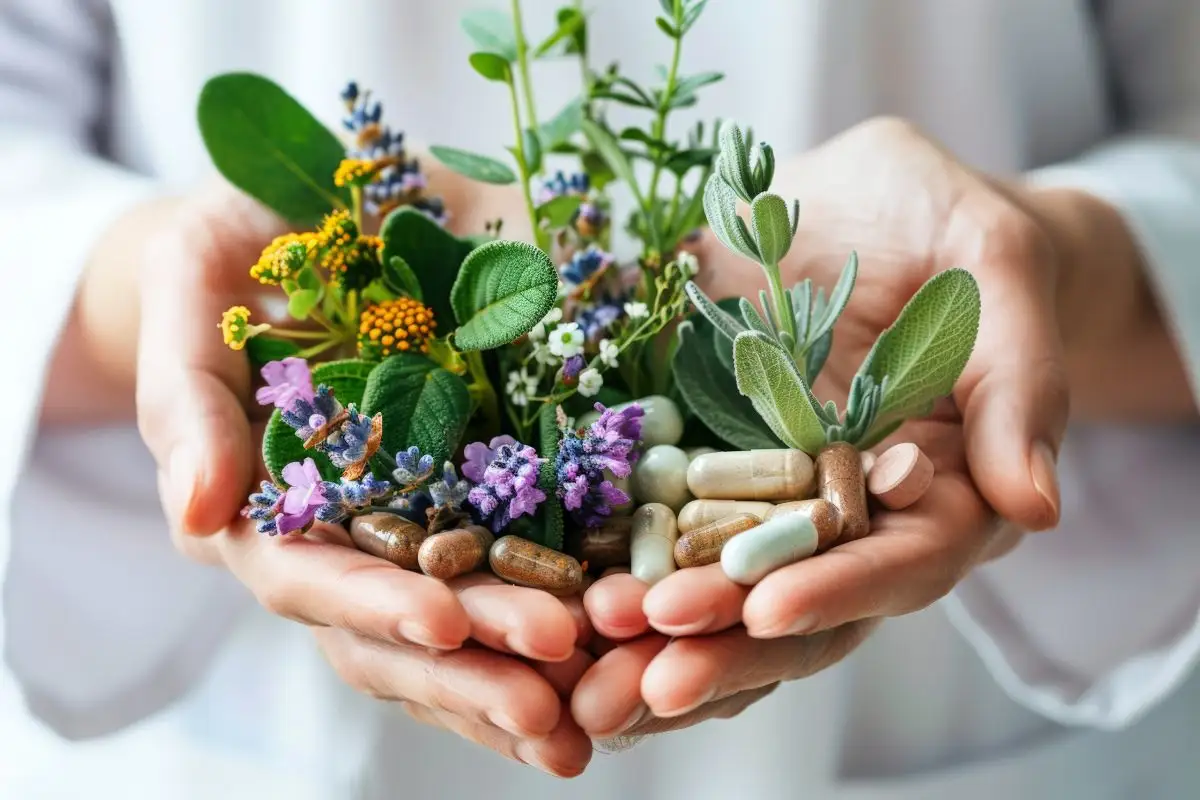
While extreme herbal “detox” formulas can be risky, many traditional herbs offer gentle support for your body’s natural processes. Dandelion root and leaf, for example, have a long history of use for supporting liver and kidney function. Nettle tea can act as a gentle diuretic, assisting kidney function. Ginger, known for its digestive properties, can help soothe the gut.
The key is to use them mindfully, in moderation, and always with an understanding of your own body and any existing health conditions. These are not potent “cleaners” but rather supportive allies. Comparing popular detox approaches, many simply rely on these traditional herbs repackaged. My experience has taught me that consistency with gentle, natural supports often yields far more sustainable results than a brief, intense herbal purge. And, a word of caution: even natural compounds can interact with medications or cause adverse effects, so it’s always wise to consult a healthcare professional.
# Cultivating Long-Term Wellness: A Lifestyle, Not a Sprint
The most effective “detox” is a lifestyle focused on sustainable habits that continually support your body’s innate intelligence. This means integrating whole foods, regular hydration, consistent movement, and effective stress management into your daily life, not just for a few weeks each year. Being mindful of environmental toxins—from household cleaning products to personal care items—is another layer of support.
Adapting these practices to different life stages and responsibilities is essential. For remote professionals, this might mean scheduling movement breaks and mindfully preparing meals at home. For caregivers, finding simple, family-friendly healthy recipes and moments of quiet self-care becomes paramount. It’s not about perfection, but about consistent, gentle choices that respect your body and its rhythms. There will be days when adherence slips, and that’s perfectly human. The goal is to return to these supportive habits with compassion, understanding that long-term wellbeing is built on a series of small, steady actions.
True wellbeing isn’t found in a frantic sprint to “detoxify,” but in the steady rhythm of a lifestyle that honors and supports your body’s incredible, innate capacity to thrive. It’s a journey of self-awareness, where listening to your body’s subtle signals becomes your most trusted guide. Embrace the power of nourishing your body gently, consistently, and with profound respect for its inherent wisdom. This patient, mindful approach will serve you far better than any quick-fix cleanse ever could, fostering a gut and a life that truly flourishes. Consistency over intensity, daily support, and working alongside trusted professionals when needed will be your steadfast companions on this path to enduring vitality.
Navigating At-Home Gut Detox: Understanding and Protecting Your Microbiome
What exactly is the gut microbiome and why is its balance so crucial?
The gut microbiome refers to the vast community of trillions of microorganisms, primarily bacteria, fungi, viruses, and other microbes, that reside in your digestive tract. This complex ecosystem plays a profound role in your overall health, influencing digestion, nutrient absorption, immune function, mood regulation, and even metabolism. A balanced microbiome, rich in diverse beneficial species, is foundational to well-being, aiding in the breakdown of food, synthesizing essential vitamins, and defending against pathogens. When this delicate balance is disrupted, it can have far-reaching effects on nearly every system in the body.
How can at-home gut detoxes potentially disrupt this vital microbiome?
While many at-home detoxes aim to “cleanse” the body, some approaches, particularly those that are overly restrictive, involve aggressive laxatives, or heavily rely on certain unproven supplements, can inadvertently harm the microbiome. For example, prolonged periods of extremely low-fiber intake can starve beneficial bacteria that thrive on dietary fiber. Harsh herbal cleanses or excessive use of colonics can sweep away both beneficial and harmful microbes, leading to an imbalance known as dysbiosis. Similarly, highly acidic or alkaline ‘flushes’ can alter the gut environment in ways that disadvantage beneficial species. Our own observations show that rapid, drastic changes, rather than gentle shifts, are often the culprits.
What are common signs or symptoms that might indicate a disrupted microbiome after a detox?
If your at-home detox has led to microbiome disruption, you might experience a range of uncomfortable symptoms. These commonly include digestive issues such as persistent bloating, gas, diarrhea, constipation, or an irregular bowel pattern that wasn’t present before. Beyond the gut, signs can extend to fatigue, brain fog, unexplained skin breakouts, increased food sensitivities, or even mood changes like irritability or anxiety. It’s important to differentiate these from the temporary, mild discomforts sometimes associated with initial dietary changes during a gentle detox. Persistent or severe symptoms are a red flag.
Are certain types of at-home detox methods more likely to cause microbiome disruption than others?
Yes, definitely. Methods that involve extreme caloric restriction, prolonged juice fasts without adequate fiber or protein, aggressive laxative use, or high-dose, unverified supplements carry a higher risk. Cleanses that promote ‘flushing’ or ‘purging’ without simultaneous support for gut rebuilding are particularly concerning. In contrast, gentle approaches that focus on increasing whole, unprocessed foods, ample hydration, modest fiber, and fermented foods tend to support, rather than disrupt, the microbiome. The key distinction often lies between a rapid, drastic ‘fix’ versus a slow, nurturing rebalance.
What immediate steps should I take if I suspect my microbiome has been disrupted by a detox?
If you suspect microbiome disruption, the first and most crucial step is to immediately discontinue the potentially harmful detox protocol. Next, reintroduce a diet rich in diverse whole foods, prioritizing easily digestible options like cooked vegetables, lean proteins, and healthy fats. Focus on rehydrating with plain water and electrolyte-rich fluids. Incorporating probiotic-rich foods (like sauerkraut, kimchi, unsweetened yogurt, kefir) and prebiotic foods (garlic, onions, asparagus, bananas – introduced slowly) can be very beneficial. Listen to your body and if symptoms persist or worsen, it’s time to seek professional guidance.
How can I safely support my gut microbiome during an at-home detox, to prevent disruption?
The safest approach to any “detox” is to view it as a period of enhanced nutritional support for your body’s natural detoxification processes, rather than a harsh purge. Focus on an abundance of nutrient-dense, whole foods: a wide variety of colorful fruits and vegetables (especially cruciferous ones), adequate lean protein, healthy fats, and plenty of fiber. Ensure consistent hydration. Incorporate fermented foods daily for natural probiotics. Avoid processed foods, excessive sugar, and alcohol. Prioritize stress reduction and regular, moderate movement. This approach, which is more about gentle nourishment than deprivation, is inherently gut-supportive.
What specific role do prebiotics and probiotics play in supporting or recovering the gut microbiome?
Prebiotics are specific types of dietary fiber that act as “food” for beneficial gut bacteria, helping them to thrive and multiply. Excellent sources include chicory root, garlic, onions, leeks, asparagus, and under-ripe bananas. Probiotics are live beneficial bacteria and yeasts that, when consumed in adequate amounts, confer a health benefit to the host. They help replenish beneficial strains and improve the overall microbial balance. After disruption, combining both prebiotics and probiotics (either through food or targeted supplements) is a powerful strategy to re-establish a healthy and diverse microbiome. However, individual tolerance for prebiotics can vary, so introduce them gradually.
How long does it typically take for the gut microbiome to recover from disruption, and what can affect this timeline?
The recovery timeline for a disrupted microbiome is highly individual and depends on several factors: the severity and duration of the disruption, your overall health status, your regular diet, and your lifestyle. For mild disruptions, consistent, supportive dietary and lifestyle changes might show improvements within a few weeks to a couple of months. More significant disruptions can take several months to a year, or even longer, to fully rebalance. Patience and consistency are key. Factors like chronic stress, poor sleep, continued exposure to processed foods, and certain medications can hinder recovery.
When should I consider seeking professional medical or nutritional advice regarding gut health concerns?
While at-home strategies are valuable, it’s crucial to know when to escalate your concerns. If you experience severe or persistent digestive symptoms (e.g., chronic diarrhea, unexplained weight loss, blood in stool), or if your symptoms significantly impact your quality of life, professional medical advice is essential. A qualified healthcare provider, such as a gastroenterologist, or a registered dietitian specializing in gut health, can help diagnose underlying issues, rule out serious conditions, and provide personalized, evidence-based guidance for microbiome recovery and long-term gut health. Don’t hesitate to seek support if you’re feeling overwhelmed or unwell.
What sustainable, long-term lifestyle practices can truly support a thriving gut microbiome after a detox experience?
Moving beyond temporary detoxes, sustainable habits are the true foundation of gut health. Prioritize a diverse, whole-foods-based diet rich in fiber from various fruits, vegetables, legumes, and whole grains. Include fermented foods regularly. Stay well-hydrated. Manage stress effectively through practices like mindfulness, yoga, or spending time in nature, as stress profoundly impacts the gut. Ensure adequate sleep (7-9 hours nightly). Engage in regular, moderate physical activity. Limit processed foods, added sugars, artificial sweeteners, and excessive alcohol. These consistent, balanced choices create an optimal environment for your microbiome to flourish, supporting your overall vitality for the long haul.