
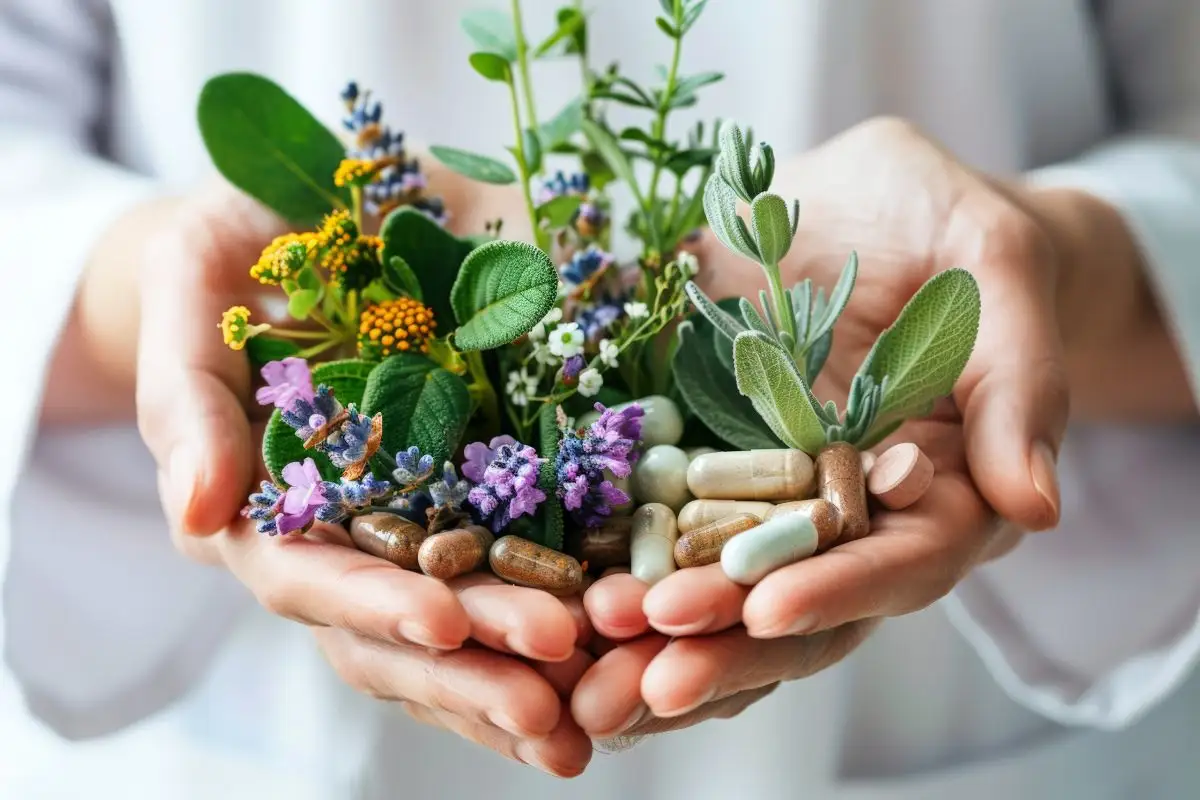


The rhythmic pounding of pestle against mortar, the earthy scent of freshly grated kunyit and halia filling the air – these sensory memories are etched deep within the fabric of my growing up. For generations in Nusantara, jamu has been more than just a drink; it’s a daily ritual, a whisper of ancestral wisdom passed down, especially for women navigating the unique rhythms of their bodies. When the monthly cycle brings discomfort, it’s natural to reach for what feels familiar, what our grandmothers swore by. But a question often surfaces in our quest for natural relief: what happens when we lean solely on jamu herbs, particularly for something as persistent as menstrual pain? My journey, both as a practitioner and a researcher, has taught me that embracing jamu fully means understanding its profound support, but also recognizing the broader landscape of our well-being.
# Embracing Nusantara’s Herbal Legacy with Mindful Practice
Jamu, at its heart, is a holistic tradition. It’s not merely about individual herbs targeting single symptoms, but about nurturing the entire body system back into balance. Our Malay jamu tradition, while sharing roots with its Indonesian kin, developed its own unique character, often focusing on tonics for women’s vitality, postpartum recovery, and daily maintenance. We see herbs like kunyit (turmeric) celebrated for its warmth and cleansing properties, often incorporated into wellness routines to support circulation and overall vitality. Halia (ginger) is revered for its invigorating qualities, traditionally used to dispel “wind” and warm the body, which can be comforting during monthly cycles. Cekur (kaempferia galanga) is another warming herb, frequently used in restorative blends to ease general discomfort and promote a sense of well-being.
For women’s health, particularly, certain herbs rise to prominence. Kacip Fatimah (Labisia pumila) is revered as a women’s tonic, traditionally taken to support hormonal balance, uterine health, and to maintain vitality. Misai Kucing (Orthosiphon stamineus) is known for its gentle diuretic qualities, often incorporated to help cleanse the system and potentially ease water retention, which some women experience during menstruation. While Tongkat Ali is a powerful herb in our tradition, it’s primarily valued for male vitality and endurance. Our focus for women’s well-being primarily centers on the harmonizing and nurturing herbs like kacip fatimah, kunyit, and halia. These herbs are powerful allies, but their strength lies in their ability to support and harmonize, not to override or replace the body’s own signals or a direct medical intervention.
Traditionally, the preparation of jamu was a meticulous process. Fresh herbs were pounded, steeped, and decocted over gentle heat, ensuring the maximum extraction of their beneficial properties. This wasn’t a hurried task, but a mindful ritual, connecting the preparer to the earth’s bounty. My own grandmother, Mak Cik Kalsom, would always insist on using freshly grated ginger and turmeric for her morning tonic. She’d say, “The life force is strongest when it’s just taken from the soil.” It’s a practice that emphasizes freshness and active engagement, a sensory healing experience from start to finish.
However, in our modern world, convenience often takes precedence. While many excellent pre-prepared jamu blends exist, it’s vital to understand the source and preparation. Safety is paramount. Knowing your herbs, ensuring they are free from contaminants, and understanding proper dosages are fundamental. Just because something is natural doesn’t mean it’s without considerations. A trusted supplier, or even better, growing some herbs yourself, offers peace of mind. Always ensure the herbs are correctly identified, especially if you consider foraging, and be mindful of potential interactions if you are taking any conventional medications. Our ancestors understood this intrinsic connection to the land and the wisdom embedded in its green pharmacy. Today, we must bridge that ancestral knowledge with contemporary understanding of purity and responsible consumption.
# Beyond the Quick Fix: Jamu as a Holistic Partner for Well-being
Many of us, when facing discomfort like menstrual pain, instinctively seek immediate relief. It’s a very human response. We might reach for a comforting cup of kunyit asam or a kacip fatimah blend, hoping it will make the pain disappear. While these traditional preparations can offer warmth and systemic support, relying solely on them to mask or manage persistent, severe menstrual pain can be a missed opportunity, and sometimes, a hidden risk.
One common observation from my years in this field is how often people approach jamu like a pharmaceutical drug – taking it only when symptoms arise. But jamu, like a nourishing diet, works best with consistency and as part of a lifestyle. For menstrual well-being, for instance, a daily tonic incorporating herbs like kunyit and halia might gradually support the body’s natural processes over time, rather than providing a sudden intervention. My own routine involves a small glass of fresh ginger-turmeric tonic a few times a week, a practice that aims for sustained vitality rather than reactive symptom management. This consistent, gentle approach aligns with the long-term benefits our grandmothers sought.
Understanding the why behind menstrual pain is crucial. Is it mild discomfort, or is it debilitating agony that disrupts your daily life? Is it accompanied by other symptoms like unusually heavy bleeding, irregular cycles, or pain outside of menstruation, or has it suddenly changed? Jamu herbs, particularly those traditionally used for women’s health like kacip fatimah, are often incorporated to support overall uterine health and balance, which may in turn ease discomfort. However, if the pain signals conditions like endometriosis, fibroids, polycystic ovary syndrome (PCOS), or pelvic inflammatory disease (PID), purely relying on herbs could delay necessary diagnosis and intervention from a medical professional. This isn’t to diminish jamu’s power, but to acknowledge its role within a broader health strategy. The true “risk” in relying solely on jamu for severe, persistent menstrual pain is that you might be inadvertently overlooking or delaying the detection of an underlying health condition that requires specific medical attention. Early diagnosis can be key to better management and outcomes.
When we talk about ‘dosage mindfulness,’ it’s about listening to your body. There’s no one-size-fits-all. What works for one person might be too strong or too mild for another. Starting with smaller amounts, observing your body’s response, and making gradual adjustments is the ancestral way. A decoction, for example, is made by simmering tougher plant parts like roots or bark in water for a longer period to extract their compounds. An infusion, by contrast, is a gentler soak for leaves and flowers. Learning these nuances helps you tailor your jamu. My late mentor, Puan Hajah Aminah, used to say, “The plant whispers its wisdom; you must listen quietly to your own body to hear it.” This gentle approach respects individual sensitivities and ensures that jamu truly acts as a supportive friend, not an overpowering force.
Integrating jamu means marrying tradition with contemporary knowledge. It involves combining regular herbal tonics with a balanced, nutrient-rich diet – perhaps incorporating iron-rich foods during your cycle, or anti-inflammatory foods daily. It also means adequate hydration, sufficient rest, and effective stress management. Think of jamu as one vibrant thread in the rich tapestry of your well-being, not the entire cloth. For example, a warm jamu blend might soothe, but gentle exercise, mindful relaxation techniques, and adequate hydration will also play their part in managing fluid retention and promoting comfort during your cycle.
# Cultivating Holistic Well-being: Jamu in Your Daily Rhythm
To truly benefit from the wisdom of jamu, we must move beyond viewing it as a standalone remedy and instead weave it into the fabric of our daily lives. This means cultivating an informed and integrated approach to wellness. For families, this might look like a shared morning ritual: perhaps a warm drink with a touch of ginger for general vitality, or a simple broth infused with warming spices. It’s about building a culture of preventive care and self-awareness within the home, where children grow up understanding the connection between nature and health.
Sustainable sourcing is a conversation close to my heart. As interest in traditional herbs grows, so does the pressure on natural resources. Whether it’s ethically wildcrafting herbs from your own garden, supporting local organic farmers, or choosing products from companies committed to sustainable practices, understanding where your herbs come from is part of respectful practice. I often encourage aspiring practitioners to connect with local growers, learning about cultivation and harvest practices directly. This ensures purity, potency, and supports a sustainable ecosystem for future generations. It’s a vital step in preserving our green heritage.
In today’s digital age, we have an incredible opportunity to preserve and share indigenous knowledge. But this also comes with the responsibility to ensure accuracy and respect for cultural nuances. There’s a fine line between sharing wisdom and oversimplifying complex traditional practices. Authentic workshops, community-led initiatives, and mentorship programs are vital for passing down knowledge that is grounded in experience, not just theory. Regulatory awareness also plays a role; understanding local guidelines for herbal products, such as those set by Malaysia’s National Pharmaceutical Regulatory Agency (NPRA), helps us make informed, safe choices for ourselves and our families, ensuring products meet quality and safety standards.
When addressing persistent discomfort, especially something like significant menstrual pain, jamu should be seen as a powerful complement to modern understanding and, when necessary, professional medical advice. The ‘risk’ of relying solely on jamu isn’t about the herbs themselves being inherently dangerous when used appropriately. It’s the risk of overlooking deeper physiological issues that might require medical attention. It’s the risk of not giving your body the full spectrum of care it deserves, delaying interventions that could significantly improve quality of life or prevent future complications.
Our ancestors understood the subtle language of the body and the earth. They knew that true healing came from balance – balance in diet, activity, rest, and spirit. Jamu was a part of this intricate dance, a gentle guide. So, as you explore the rich world of Malay jamu, I urge you to approach it with curiosity, respect, and a holistic mindset. Let it empower you to listen more deeply to your body, to embrace a lifestyle of mindful nourishment, and to connect with a heritage that offers profound wisdom for modern living. Your journey with jamu should be one of discovery and well-supported vitality, not simply a search for a quick fix. By integrating jamu mindfully into your daily wellness routines, respecting traditional preparation and dilution methods, and always considering the bigger picture of your health, you can truly appreciate the nuanced power of Nusantara herbal wisdom.
Unveiling the Hidden Risks: A Balanced Look at Jamu for Menstrual Pain
As a practitioner deeply rooted in Nusantara traditions, I’ve witnessed the profound comfort and support that Malay jamu herbs offer, especially during the moon cycle. Our ancestral remedies like kunyit, halia, and cekur have graced generations of women, offering warmth and easing discomfort. However, in our modern quest for well-being, it’s crucial to understand that even the most benevolent traditions thrive when approached with wisdom, balance, and an openness to broader insights. Relying solely on jamu for persistent or severe menstrual pain, while seemingly natural, can sometimes lead us to overlook vital aspects of our health. Let us explore this delicate balance together.
1. Can traditional Jamu truly alleviate all types of menstrual pain and discomfort?
Jamu herbs excel at offering relief for common menstrual discomforts such as mild cramps, bloating, and fatigue by providing warmth, improving circulation, and reducing inflammation. Ingredients like kunyit (turmeric) are renowned for their anti-inflammatory properties, while halia (ginger) brings soothing warmth. However, menstrual pain manifests in many forms and intensities. While jamu can be a powerful ally for many, it’s primarily designed to support the body’s natural functions and ease typical physiological responses. It may not address the root cause of every type of pain, especially if it stems from underlying issues requiring a different approach.
2. What underlying health conditions might be masked by relying only on Jamu for persistent or severe menstrual pain?
This is perhaps the most significant “hidden risk.” Severe or persistent menstrual pain (dysmenorrhea) can sometimes be a symptom of conditions like endometriosis, uterine fibroids, adenomyosis, pelvic inflammatory disease, or polycystic ovary syndrome (PCOS). If jamu herbs consistently alleviate your pain symptoms without a proper diagnosis, you might inadvertently delay identifying and addressing these underlying conditions. While jamu can offer symptomatic relief, it’s essential not to let it obscure the body’s deeper signals that might require specific medical attention.
3. Is there a risk of delayed diagnosis if I solely rely on Jamu for ongoing menstrual discomfort?
Absolutely. Traditional jamu wisdom focuses on maintaining balance and harmony within the body. When pain becomes chronic or debilitating, it often signals an imbalance that requires a more comprehensive understanding. If you choose to rely solely on jamu for months or even years without consulting a healthcare professional, a potentially serious condition could progress unnoticed. Early diagnosis often leads to more effective management and better long-term outcomes for many gynecological issues. It’s about combining ancestral wisdom with modern diagnostic clarity for optimal well-being.
4. How can improper preparation or inconsistent dosage of Jamu herbs affect their efficacy for menstrual pain?
Jamu preparation is an art and a science passed down through generations. The efficacy of herbs hinges on proper identification, preparation methods (e.g., decoction strength, fresh vs. dried), and consistent, appropriate dosing. Over-reliance without understanding these nuances can lead to suboptimal results. Too weak a brew might offer insufficient relief, while excessively strong or frequent doses, though rare with typical jamu herbs, could potentially lead to unexpected reactions or interactions. Our ancestors meticulously followed recipes, knowing that precision unlocks the herbs’ full potential and minimizes unintended effects.
5. Are there potential interactions if Jamu is used alongside other conventional treatments or medications for menstrual pain?
While this FAQ focuses on sole reliance, it’s vital to address potential interactions, especially if one transitions between approaches. Many jamu herbs possess bioactive compounds that can influence physiological processes. For instance, some herbs might have mild anticoagulant properties or affect blood sugar levels. If you are also taking prescription medications for pain, hormonal regulation, or other conditions, there’s a possibility of interaction. Open communication with both your trusted jamu practitioner and your medical doctor is paramount to ensure safety and synergistic support.
6. Does relying solely on Jamu prevent a truly holistic and comprehensive approach to menstrual wellness?
A truly holistic approach encompasses more than just herbal remedies. It integrates nutrition, stress management, adequate sleep, physical activity, emotional well-being, and environmental factors. While jamu can be a cornerstone of this approach, focusing exclusively on the herbs might lead one to neglect other critical pillars of health. For example, a diet rich in inflammatory foods, chronic stress, or lack of exercise can significantly exacerbate menstrual discomfort, regardless of jamu intake. Jamu works best as part of a well-rounded lifestyle that nurtures the body in its entirety.
7. What role do diet and lifestyle play if Jamu is the only focus for managing menstrual pain?
Diet and lifestyle are foundational to overall health, especially for menstrual well-being. Consuming foods high in refined sugars, unhealthy fats, and processed ingredients can fuel inflammation and hormonal imbalances, counteracting the benefits of jamu. Similarly, chronic stress, insufficient rest, and sedentary habits can worsen menstrual symptoms. If jamu is used in isolation without addressing these broader lifestyle factors, its effectiveness might be diminished, making it feel like a temporary bandage rather than a pathway to sustainable relief. The wisdom of our ancestors always emphasized a balanced way of life.
8. When should I consider consulting a medical professional, even if I’m actively using Jamu for menstrual pain?
As a responsible practitioner, I always advocate for vigilance. You should absolutely consult a medical professional if you experience:
Suddenly worsening or unusually severe pain.
Pain that doesn’t respond to jamu or conventional over-the-counter remedies.
New or unusual symptoms alongside your period (e.g., very heavy bleeding, fever, painful intercourse, changes in bowel habits).
Menstrual pain that interferes significantly with your daily life, work, or school.
Concerns about fertility.
A medical diagnosis provides clarity and can inform a more targeted, integrated wellness plan that may still include your beloved jamu.
9. Can continuous, sole reliance on certain Jamu herbs lead to long-term imbalances or unintended side effects?
While most traditional jamu herbs are considered safe for regular use in appropriate amounts, the principle of balance (yin-yang, panas-sejuk) is central to Nusantara healing. Continuous, unvaried use of a single herb or formula, especially without understanding its specific properties and how they interact with your body’s unique constitution over time, could* theoretically lead to subtle imbalances. For instance, consistently taking very “hot” herbs without balancing elements might not suit everyone in the long run. Variety and mindful rotation are often part of traditional wisdom to maintain holistic equilibrium and prevent stagnation.
10. How can I integrate Jamu effectively with a broader strategy for sustainable menstrual health and vitality?
The most potent approach is integration. View jamu as a powerful, natural component of your comprehensive wellness strategy.
1. Understand your body: Pay attention to your cycle, pain patterns, and overall well-being.
2. Consult: Seek advice from a trusted jamu practitioner for personalized formulations and a medical doctor for diagnosis of severe or unusual symptoms.
3. Holistic Living: Pair your jamu regimen with a nutrient-dense diet, adequate hydration, stress-reducing practices (like meditation or gentle movement), and sufficient rest.
4. Listen: Observe how your body responds to the herbs and adjust as needed, always respecting the wisdom of both tradition and contemporary science.
By embracing this integrated perspective, you harness the profound power of jamu for sustained menstrual health, not just temporary relief.