
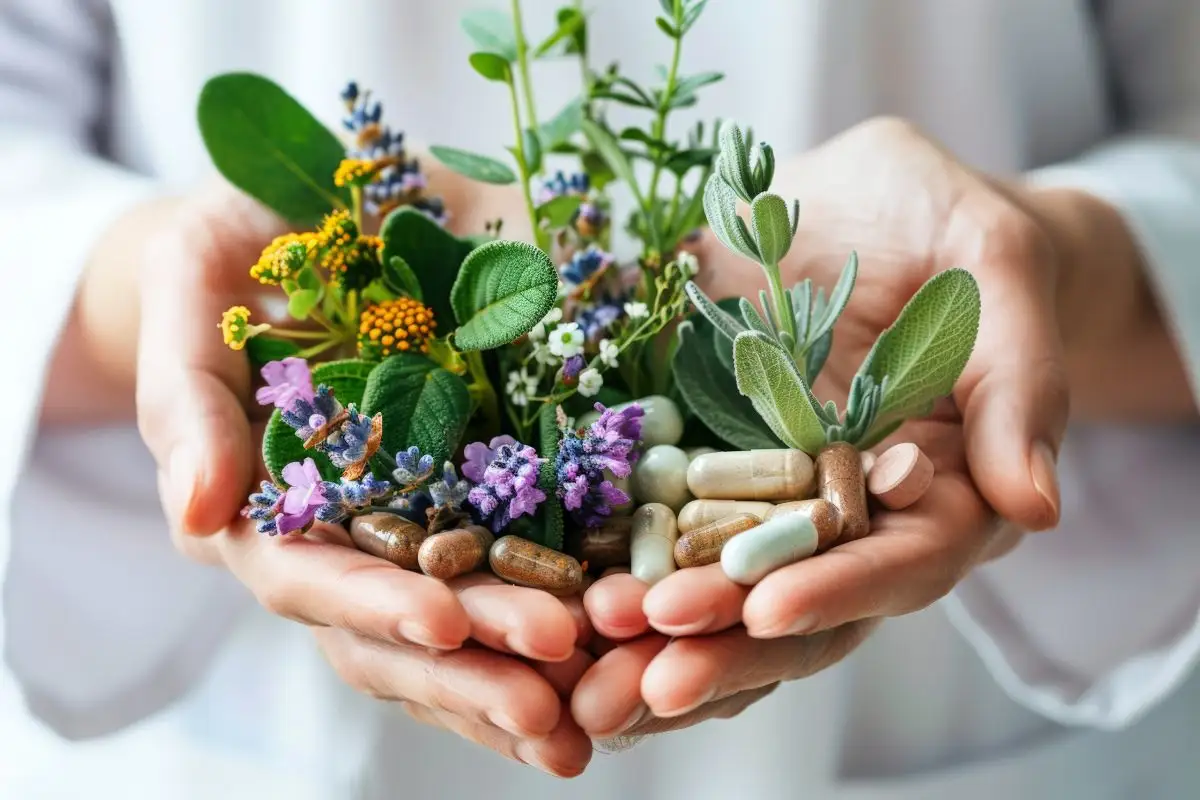


The scent of simmering ginger and lemon has always been a comforting signal in our home, a quiet acknowledgment that sniffles or a scratchy throat might be making an appearance. For many of us, the path to feeling better often begins not in a pharmacy aisle, but right in our own kitchens, with familiar ingredients and time-honored practices. There’s a common, soothing thought that if something comes from nature, it must automatically be gentle and free from worry. While the world of DIY natural remedies offers incredible empowerment and can profoundly support our well-being, this very notion of “natural equals inherently safe” is a subtle misconception that sometimes opens the door to unexpected challenges. Crafting remedies at home is a beautiful blend of tradition and personal discovery, but like any craft, it asks for mindful attention and a clear understanding of its boundaries.
# Unpacking the Kitchen Pharmacy: More Than Just Ingredients
When we turn to ingredients like honey, ginger, and garlic for everyday discomforts, we’re tapping into centuries of traditional wisdom. I remember my grandmother’s simple honey-lemon syrup for a cough – a staple that always seemed to bring comfort. These aren’t just food items; they carry properties that have been observed and utilized across cultures for generations. Honey, for instance, is well-regarded for its soothing qualities on irritated throats. Ginger is a warming spice, often used to help settle an upset stomach or promote a sense of warmth when chills set in. Garlic, with its pungent aroma, has long been a folk favorite for its broad applications.
But here’s where the hidden risks can emerge: assuming that because an ingredient is “natural,” any amount or preparation method will be harmless. My early attempts at a super-potent garlic syrup taught me this lesson vividly. I piled in too much raw garlic, thinking “more is better,” only to create something so incredibly strong it irritated my throat rather than soothing it. The key isn’t just what you use, but how much and how you prepare it. Understanding the traditional dosage and proper handling, rather than simply grabbing handfuls, is crucial for turning potent ingredients into gentle allies. This balance prevents potential stomach upset or skin irritation that can arise from overzealous application or consumption.
# The Art of Preparation: Hygiene and Honest Expectations
Making your own remedies, whether it’s a warming herbal tea or a soothing chest rub, truly is an art. It demands the same care and cleanliness we apply to cooking. Imagine making a soup: you wouldn’t use dirty pots or old ingredients, right? The same goes for your wellness potions. Ensuring your tools are spotless, your hands are clean, and your ingredients are fresh and of good quality dramatically impacts the safety and effectiveness of your creations. One time, I rushed a batch of elderberry syrup, not sterilizing my jar properly, and within a week, I noticed a subtle off-smell. That batch had to go straight to the compost – a clear reminder that shortcuts in hygiene can lead to spoiled remedies and wasted effort, or worse, introduce unwanted microbes.
Beyond cleanliness, it’s about setting realistic expectations. A homemade ginger tea might bring warmth and comfort, but it won’t cure the flu. Many popular DIY cold and flu remedies are designed to offer symptomatic relief – they can help ease a sore throat, calm a cough, or make you feel a little cozier. But they aren’t antiviral medications, nor can they replace a doctor’s diagnosis or treatment for serious conditions. Understanding this difference is perhaps one of the most important aspects of practicing home wellness responsibly. We’re supporting our body’s natural processes, not overriding a serious illness.
# The Critical Role of Patch Testing and Individual Sensitivities
Our bodies are wonderfully unique, and what works beautifully for one person might cause a reaction in another. This is particularly true when using topical remedies or ingesting new herbal preparations. Years ago, a friend enthusiastically recommended a potent eucalyptus chest rub she made for her family. I, ever the experimenter, whipped up a batch and slathered it on. Within minutes, my skin was tingling, then itching, and finally, showing an angry red rash. I had forgotten the cardinal rule: patch testing.
A patch test is simple and vital: apply a tiny amount of the diluted remedy to a small, discreet area of skin, like the inside of your elbow or behind your ear. Wait 24 hours. If there’s no redness, itching, or irritation, it’s likely safe for broader application. This small step can prevent a lot of discomfort. Furthermore, consider individual health factors. Pregnant or breastfeeding individuals, young children, or those with underlying health conditions or taking medications need to be especially cautious. Some herbs can interact with prescription drugs or aren’t suitable for certain populations. For example, some common herbs, while generally safe, might not be recommended during pregnancy without professional guidance. Always check for specific contraindications related to your personal health profile.
# Navigating Potency: Infusions, Compresses, and Simple Syrups

The journey into crafting remedies offers a beautiful range of methods, each with its own rhythm and purpose. Infusions, like a classic herbal tea, gently extract water-soluble compounds. Think of steeping peppermint for an upset tummy or chamomile for relaxation. The beauty here is its gentleness; you’re capturing the essence without over-concentrating.
Then there are compresses, where a cloth soaked in a warm herbal infusion is applied to the skin. This direct application can be incredibly soothing for chest congestion or muscle aches. I often make a ginger compress for stubborn neck tension; the warmth helps the herbal properties penetrate the area.
Simple syrups, often made with honey or sugar, are excellent for delivering remedies, especially for children who might resist a strong-tasting tea. My elderberry syrup, which I’ve perfected over many seasons, uses a gentle simmer to extract beneficial compounds, then blends them with local honey. The real craft here lies in understanding that extraction isn’t always about brute force. Over-boiling delicate herbs can destroy their volatile compounds, while too short a steeping time might not extract enough. Experimentation teaches you the sweet spot – the rich color and aroma that signals a well-made remedy.
When comparing these creations to store-bought options, the most noticeable difference is often the control you have over ingredients. You choose organic herbs, local honey, and you avoid fillers, artificial colors, or excessive preservatives. This transparency offers a sense of purity and personal connection that pre-made products often can’t match, though store-bought products offer convenience and standardized dosages that can be very reassuring.
# Smart Storage for Sustained Well-being
Creating a beautiful remedy is only half the journey; preserving its potency and purity is the other. Improper storage is a leading cause of spoilage and can turn a helpful concoction into something inert or even harmful. I learned this the hard way with a precious batch of oregano oil tincture. I left it on a sunny windowsill, thinking the warmth would somehow enhance it. Instead, the light and heat degraded the active compounds, leaving me with a significantly less effective product.
Most DIY remedies thrive in cool, dark environments. Herbal infusions and syrups often need refrigeration and have a limited shelf life, typically a week or two. Tinctures, made with alcohol, last much longer – sometimes years – if kept away from light and heat. Dried herbs should be stored in airtight containers, away from direct sunlight, to retain their potency for several months. Labeling everything with the creation date and contents is a practice I’ve adopted rigorously. It saves guesswork and ensures you’re always using fresh, effective preparations. This attention to detail isn’t just about efficacy; it’s about avoiding the growth of unwanted bacteria or mold, which can turn a supportive remedy into a health risk.
# Weaving Remedies into the Fabric of Daily Life
Integrating DIY remedies into your daily life isn’t about grand gestures; it’s about subtle, consistent choices. For families, this might mean a thoughtfully stocked first-aid kit that includes homemade basics alongside conventional supplies. My own kit contains a small jar of calendula balm for scrapes, a tiny bottle of lavender essential oil (diluted, of course) for calm, and my trusty elderberry syrup for seasonal sniffles. It’s about preparedness and having gentle options at hand.
For remote professionals, who might spend long hours at a desk, simple herbal teas – a peppermint infusion for focus, or a chamomile blend for winding down – can become powerful rituals. Sourcing ingredients sustainably, perhaps from a local herb farm or even your own small garden, deepens the connection to these practices and can be surprisingly budget-friendly over time. The regulatory landscape around natural remedies is complex and varies. As home practitioners, our responsibility is to stay informed, prioritize safety, and understand that our efforts are generally for well-being support, not medical treatment.
Ultimately, the goal isn’t to replace professional medicine, but to complement it. My natural remedy practice has always been a conversation with my body, a way to listen and respond to its minor signals. When a fever spikes, or a cough becomes persistent and deep, my first step is always to reach for the phone and consult a medical professional. DIY remedies are a wonderful part of a holistic wellness strategy, fostering independence and connection to nature, but they thrive best when balanced with informed caution and a deep respect for the complexities of health.
# Cultivating Mindful Wellness
Stepping into the world of DIY natural remedies is an invitation to engage with your well-being in a deeper, more personal way. It’s about building a repertoire of gentle practices that support your body through the seasons and daily rhythms. This journey is less about finding a single magic cure and more about cultivating a mindful approach to self-care. It’s in the quiet act of brewing a soothing tea, the careful blending of an herbal balm, or the conscious choice of quality ingredients that we truly harness the power of these remedies.

Start small, perhaps with a single herb or a simple syrup, and observe how your body responds. Learn to recognize the subtle nuances of each ingredient, understanding both its gifts and its limitations. By approaching this path with curiosity, respect, and a healthy dose of informed caution, you empower yourself to craft not just remedies, but a more resilient and mindful way of living. Remember, every step of this journey – from sourcing an herb to storing your finished creation – is an opportunity for learning, growth, and a deeper connection to your own well-being.
Navigating DIY Cold & Flu Remedies: Unseen Risks & Mindful Self-Care
Venturing into the world of DIY natural remedies for cold and flu symptoms can be wonderfully empowering. It brings us closer to the origins of wellness and allows us to customize care for our unique needs. However, even with the best intentions and the most natural ingredients, there are often subtle, “hidden” risks that can easily be overlooked. As someone who’s spent years at the kitchen counter, blending botanicals and crafting comfort, I’ve learned that a mindful, safety-first approach is paramount. It’s not about fear-mongering, but about equipping ourselves with the knowledge to create truly effective and safe remedies. Let’s explore some of these often-missed considerations.
What hidden dangers lie in improper dosing or concentration when making remedies at home?
When we transition from simply cooking with an herb to preparing a remedy, precision becomes a critical safety factor. Unlike store-bought preparations with standardized dosages, homemade remedies often rely on approximations. Too little of an active ingredient might render a remedy ineffective, leading to frustration and continued discomfort. Far more concerning, however, is using too much. For example, essential oils, potent botanical extracts, are often misunderstood. A drop or two can be therapeutic, but a few too many in a topical rub or steam inhalation can cause skin irritation, respiratory distress, or even systemic issues, particularly in children or sensitive individuals. Similarly, potent herbal infusions or tinctures, if not measured carefully, could lead to unintended side effects like digestive upset or overstimulation. My rule of thumb is always: start low and go slow, particularly when you’re introducing a new preparation or ingredient to your routine. Err on the side of caution and prioritize gentle efficacy over aggressive concentration.
Why should I be cautious about ingredient interactions, even with “natural” remedies?
The beauty of natural remedies lies in their complex biochemical makeup, but this complexity also necessitates caution, especially when combined with other substances. Just because an ingredient is “natural” doesn’t mean it’s inert. Many herbs commonly used for cold and flu support, like elderberry, echinacea, or licorice root, possess active compounds that can interact with prescription medications, over-the-counter drugs, or even other herbs. For instance, licorice root, a fantastic demulcent for sore throats, can elevate blood pressure if consumed in large quantities or interact with certain heart medications. Similarly, some herbs can affect blood clotting or alter how your liver processes medications. Before combining any homemade remedy with existing prescriptions or other supplements, it’s always wise to consult with a healthcare professional or a qualified herbalist. This proactive step ensures that your self-care efforts are supportive, not potentially disruptive, to your overall health strategy.
How can I tell if a seemingly harmless ingredient might cause an allergic reaction or sensitivity?
Even the most common kitchen ingredients can trigger sensitivities in some individuals. Honey, ginger, turmeric, and various spices, while generally well-tolerated, can elicit allergic reactions ranging from mild skin rashes or digestive upset to more severe responses like hives or breathing difficulties in susceptible people. For topical applications like chest rubs or compresses, ingredients like eucalyptus, peppermint, or even common carrier oils like almond oil can cause localized skin irritation for some. The key here is proactive awareness. Before applying any new remedy extensively, always perform a small patch test. Apply a tiny amount to a discreet area of skin, like the inner forearm, and wait 24 hours to observe for any redness, itching, or irritation. For internal remedies, start with a very small dose and pay close attention to how your body responds. Our bodies communicate clearly if something isn’t quite right; learning to listen to those subtle signals is a cornerstone of safe, personalized wellness.
Beyond expiration dates, what unseen factors can compromise the safety and effectiveness of my stored DIY remedies?

While expiration dates offer a clear guideline, the longevity and potency of homemade remedies are also heavily influenced by less obvious factors. Improper storage conditions are a primary culprit. Exposure to light, heat, and air can degrade active compounds in herbs, essential oils, and even common ingredients like honey, rendering your remedy less effective or, in some cases, even rancid. For instance, an herbal syrup left in direct sunlight might lose its potency rapidly, while an oil-based salve stored in a warm, humid bathroom can quickly go rancid, developing an unpleasant odor and potentially causing skin irritation. Furthermore, moisture is the enemy of dried herbs; even a tiny bit can invite mold growth, turning your beneficial blend into a health hazard. Always store remedies in airtight, dark glass containers, in a cool, dry place, and consider refrigeration for water-based preparations like syrups or fresh infusions to maximize their shelf life and maintain their therapeutic integrity.
When is relying on a DIY cold & flu remedy actually delaying necessary professional medical attention?
This is perhaps one of the most critical “hidden risks” of self-care. While gentle DIY remedies can offer wonderful comfort and support for common cold and flu symptoms, they are not a substitute for professional medical diagnosis or treatment, especially when symptoms are severe, persistent, or unusual. A persistent high fever, difficulty breathing, severe body aches, chest pain, confusion, or symptoms that worsen significantly rather than improve, could indicate a more serious underlying condition like bacterial infection, pneumonia, or other complications that require immediate medical attention. Relying solely on a cup of herbal tea when your body is signaling a deeper issue can tragically delay necessary interventions. As a home wellness strategist, I advocate for informed self-care that works in conjunction with, not in place of, professional medical advice. If you’re ever in doubt about the severity of your symptoms, always err on the side of caution and consult a healthcare provider.
Are all “natural” ingredients created equal, and what should I consider about their sourcing and quality?
The natural world offers an abundance of healing potential, but the journey from plant to potion isn’t always straightforward. The quality of your raw ingredients profoundly impacts the safety and efficacy of your homemade remedies. An “organic” label, while a good start, doesn’t tell the whole story. Factors like the plant’s growing conditions, harvesting methods, and processing techniques can drastically alter its therapeutic profile. For example, herbs grown in contaminated soil may absorb heavy metals, while those improperly dried can harbor mold spores. Essential oils can be adulterated with synthetic fragrances or diluted with cheaper oils, making them ineffective or potentially irritating. When sourcing, look for reputable suppliers who provide information about their practices—wild-harvested vs. cultivated, organic certifications, and testing for purity and potency. Investing in high-quality, ethically sourced ingredients is not just a matter of principle; it’s a foundational step in ensuring your DIY remedies are truly beneficial and safe.
What specific risks do young children, pregnant individuals, or those with chronic health conditions face with DIY remedies?
These populations are particularly vulnerable to the nuances of natural remedies, and what might be perfectly safe for a healthy adult could pose significant risks. For young children, their smaller body mass and developing systems mean they are more sensitive to dosages; many potent essential oils or herbs are simply contraindicated. Pregnant individuals must exercise extreme caution, as certain herbs can affect uterine contractions, hormone levels, or even be fetotoxic. For example, some common cold and flu herbs like elderberry are generally considered safe, but others like pennyroyal are definitively not. Individuals with chronic health conditions (e.g., diabetes, hypertension, autoimmune disorders) often have complex physiological profiles and may be on multiple medications, increasing the risk of adverse interactions or exacerbating their condition. In all these cases, the “hidden risk” is assuming general safety applies universally. Professional medical or herbalist guidance is absolutely non-negotiable before introducing any DIY remedy to these sensitive groups.
Could my topical DIY remedies, like chest rubs or compresses, actually cause skin irritation or other issues?
While often perceived as gentler than internal remedies, topical applications carry their own set of potential pitfalls. The skin is a permeable organ, and what we apply to it can be absorbed into the bloodstream. Many potent essential oils, like cinnamon or clove, are dermal irritants and should be used with extreme dilution or avoided altogether on sensitive skin. Even commonly used oils like peppermint or eucalyptus can cause irritation, redness, or a burning sensation if applied undiluted or in too high a concentration, especially in children. Furthermore, some individuals may have contact allergies to carrier oils (like coconut, almond, or olive oil) or specific herbal components. Always ensure proper dilution ratios for essential oils (typically 1-2% for adults) and conduct a patch test before widespread application. Observing your skin’s immediate and delayed reactions is a crucial step in ensuring your comforting chest rub doesn’t become an uncomfortable rash.
How can I avoid introducing unwanted bacteria or mold into my homemade cold & flu preparations?
Hygiene is the invisible ingredient that can make or break a homemade remedy. When crafting preparations like infusions, syrups, or tinctures, the risk of microbial contamination—bacteria, mold, or yeast—is very real, especially since we often avoid preservatives in our DIY creations. This “hidden risk” can turn a beneficial remedy into something that could cause digestive upset, allergic reactions, or even more serious infections. To mitigate this, always start with clean hands and sanitized tools and containers. Use distilled or filtered water when preparing water-based remedies, as tap water can introduce microbes. Ensure ingredients are fresh and properly dried. When straining herbs, use clean cheesecloth or strainers. For water-based remedies, like herbal syrups, consider storing them in the refrigerator and using them within a week or two, or explore safe preservation methods like adding a higher alcohol content (for tinctures) or ensuring a high sugar content (for syrups) to inhibit microbial growth. A meticulous approach to cleanliness extends the life and safety of your precious remedies.
What’s the risk of using a common kitchen ingredient in a way that might become problematic for internal use?
Many kitchen staples double as natural remedies, but their commonality can lead to a false sense of absolute safety when consumed remedially. The primary “hidden risk” here often lies in quantity and frequency, pushing an ingredient beyond its typical culinary use. For instance, while ginger tea is wonderful for nausea and congestion, consuming large, concentrated doses of ginger root daily might lead to heartburn, indigestion, or even blood-thinning effects in some individuals. Cinnamon, revered for its warming properties, contains coumarin, which can be problematic for liver health in high doses, especially with certain varieties like Cassia cinnamon. Similarly, some spices, while delightful in cooking, can be gastric irritants in concentrated forms. The line between a culinary enhancement and a therapeutic dose needs careful respect. Always be mindful of the “dosage creep” and research the potential effects of higher, more frequent consumption of even common ingredients, ensuring your helpful kitchen remedy remains truly beneficial.