
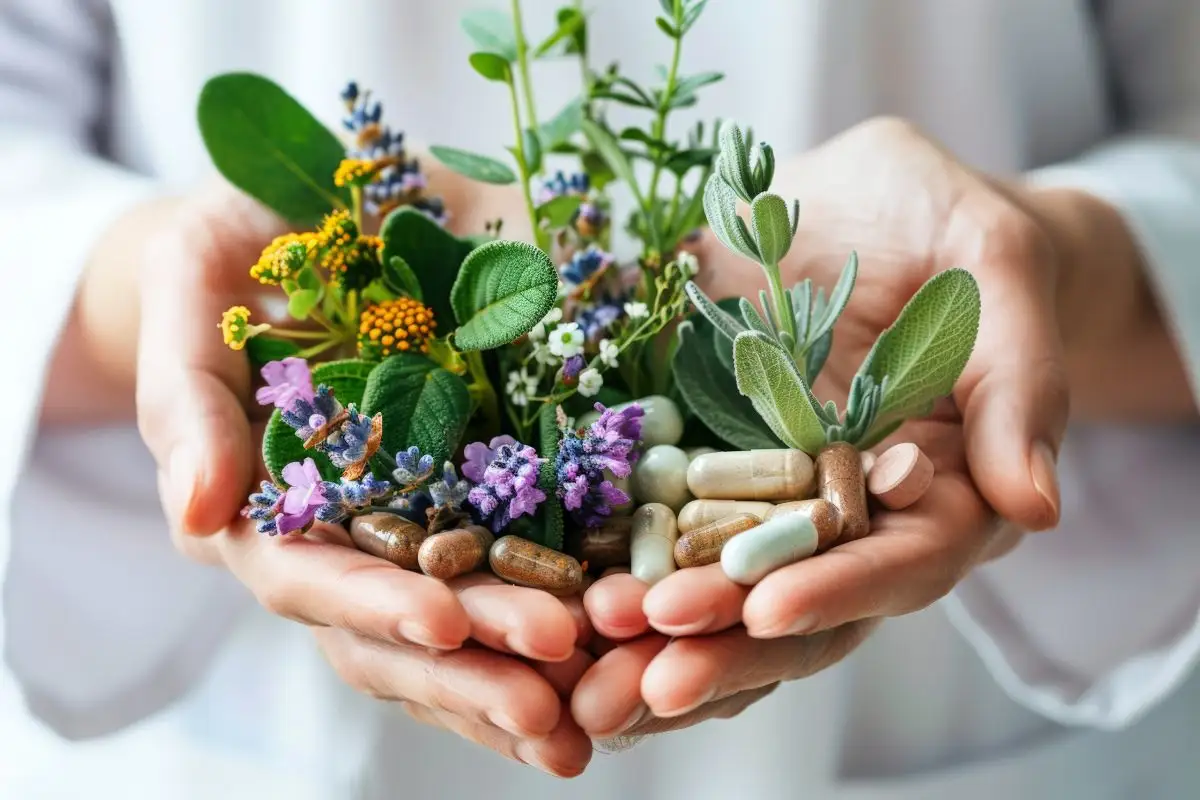


The gentle wisp of lavender, a scent memory of grandmother’s linen closet, or the invigorating burst of citrus that awakens a quiet morning – our olfactory sense is a profound, often underestimated, conduit to our emotional landscape and physiological state. In a world brimming with complex demands, the quest for natural relaxation is more prevalent than ever. Many of us turn to aromatherapy, drawn by its promise of calm. Yet, a thoughtful question lingers: is this pursuit of aromatic tranquility truly underpinned by science, or is it merely a comforting myth, a placebo effect in a bottle?
This exploration dives into the nuanced relationship between plant essences and our wellbeing, offering a blend of ancient wisdom and modern understanding.
When a demanding day culminates in a racing mind, the instinctive reach for a familiar scent can be a powerful anchor. For years, I’ve observed how the simple act of diffusing a soothing essential oil blend in the evening can signal to the nervous system that it’s time to transition from ‘on’ to ‘off’. It’s not magic; it’s the intricate dance between volatile aromatic compounds and our physiology. The question isn’t whether aromatherapy works for relaxation, but rather how it works, and how we can best harness its subtle power responsibly. It invites us to consider the conscious design of our sensory environments and the profound impact these choices have on our overall wellbeing.
The Aromatic Blueprint: Decoding Essential Oils for Calm
Essential oils, at their heart, are highly concentrated botanical extracts, capturing the essence of a plant in a tiny vial. They are not merely “fragrances” but complex mixtures of chemical constituents that interact with our bodies through inhalation and topical application. The aroma we perceive is just one facet of their potential influence.
Consider the common perception of lavender. Most people associate its sweet, herbaceous aroma with relaxation, and for good reason. Its primary constituents, particularly linalool and linalyl acetate, are thought to interact with neurotransmitters and receptors in the brain, subtly influencing mood and promoting a sense of calm. Studies using fMRI have shown that inhaling lavender can alter brain activity patterns associated with stress and anxiety, lending credence to its long-held reputation as a calming aid. However, it’s not a blanket solution; the quality and composition of the lavender essential oil matter immensely. Not all lavenders are created equal; some chemotypes, like Lavandula angustifolia (true lavender), are particularly favored for their relaxing properties due to their higher ester content.
The choice of essential oil for relaxation goes far beyond simple preference. It delves into understanding the botanical species, its unique chemical profile, and how those profiles are generally understood to interact with the body’s systems. This isn’t about treating specific conditions but rather about supporting the body’s natural capacity for balance and ease.
Crafting Tranquility: Understanding Essential Oil Chemistry and Safety
The realm of essential oils, while enchanting, demands respect for their potency and a foundational understanding of their chemistry. When we talk about calming oils, we often encounter chemical families like esters (e.g., linalyl acetate in lavender, bornyl acetate in fir), monoterpene alcohols (e.g., linalool in lavender, geraniol in palmarosa), and aldehydes (e.g., geranial in lemon verbena). These constituents are frequently associated with soothing, sedative, or uplifting effects on the nervous system.

For instance, bergamot (Citrus bergamia), often cherished for its ability to reduce feelings of stress, contains esters like linalyl acetate and limonene, which may contribute to its mood-enhancing and calming effects. However, bergamot also contains furanocoumarins, which can be photosensitizing. This means that if applied topically to the skin, exposure to sunlight can lead to severe burns or discoloration. This chemical insight isn’t meant to cause alarm but to underscore the importance of informed use. This applies to several other citrus oils, like lemon and lime, in their cold-pressed forms. Steam distilled versions of these oils are generally not photosensitive.
Safety, therefore, isn’t an afterthought; it’s woven into every aspect of intelligent essential oil use. This means understanding that essential oils are not water-soluble and require a carrier for topical application. It means acknowledging that children, pregnant individuals, the elderly, and those with compromised health require significantly lower dilutions and careful selection of oils. My personal practice often starts with a patch test on a small area of skin, even for common oils, particularly when trying a new blend or for individuals with sensitivities. It’s a small step that speaks volumes about mindful application.
Dilution Wisdom: The Art of Safe and Effective Topical Application
Using essential oils directly on the skin, undiluted, is a common misconception and a practice that I strongly caution against. Essential oils are concentrated; a single drop can be equivalent to ounces of the plant material. Applying them neat (undiluted) increases the risk of skin irritation, sensitization (developing an allergic reaction over time), and systemic toxicity.
Dilution involves mixing essential oils with a carrier oil, such as jojoba, almond, fractionated coconut, or olive oil. These carriers not only reduce the concentration of the essential oil, making it safer for the skin, but they also help prevent rapid evaporation, allowing for better absorption and a more sustained aromatic experience. For general adult use, a dilution of 1-3% is often recommended for daily massage or application to pulse points. This translates to roughly 6-18 drops of essential oil per ounce (30 ml) of carrier oil. For children, the elderly, or those with sensitive skin, much lower dilutions, often 0.5% or even 0.25%, are more appropriate.
I recall an instance where a client, eager to ease her restless legs at night, had been applying neat lavender directly to her calves. While it initially offered relief, over several weeks she developed an itchy, red rash. Once we transitioned her to a properly diluted blend in a nourishing carrier oil, the rash subsided, and she continued to experience the calming benefits without irritation. This experience reinforces that less is often more with essential oils, and proper dilution is foundational to both safety and efficacy, allowing the subtle plant wisdom to work without overwhelming the body.
Beyond the Bottle: Optimizing Your Aromatic Environment
While topical application offers direct skin absorption, inhalation is arguably the most rapid and profound pathway for essential oils to influence our mood and nervous system. The olfactory receptors in our nose connect directly to the limbic system of the brain, which is responsible for emotions, memory, and motivation. This is why a scent can instantly transport us back to a specific memory or shift our emotional state.
There are various ways to harness this power to optimize your environment for relaxation. Diffusers are a popular choice, ranging from ultrasonic models that disperse a fine mist of oil and water to passive diffusers like terracotta or aroma stones. For a bedroom, a quiet ultrasonic diffuser with a timer can gently fill the space with calming aromas like Roman chamomile, vetiver, or a custom blend of lavender and frankincense, signaling to the body that it’s time to wind down. In a home office, a simple personal inhaler or a drop on a tissue can provide focused calm without dispersing scent throughout the entire household, aiding concentration without overstimulation.

I often encourage clients to think of their home environments as sensory sanctuaries. Creating a “transition ritual” can be incredibly impactful. For instance, after returning from a busy workday, instead of immediately diving into evening tasks, one might turn on a diffuser with a grounding blend of cedarwood and orange while preparing dinner. This subtle shift in the air can gently guide the mind from external demands to internal peace, fostering a more mindful presence within the home. The key is consistency and intentionality in creating these aromatic anchors throughout your day.
Integrating Aroma: Daily Rituals for Emotional Balance
Integrating aromatherapy effectively into daily life is less about grand gestures and more about consistent, small rituals that align with your personal needs and preferences. It’s about designing moments of sensory efficiency that support your emotional and cognitive rhythms.
For daily emotional support, particularly in moments of mild stress or overwhelm, a personal inhaler or a rollerball blend applied to pulse points can be invaluable. A blend I often suggest for grounding during a busy day might include equal parts frankincense, bergamot (bergaptene-free for sun safety), and a touch of petitgrain, diluted to 2% in jojoba oil. A quick inhale from the rollerball, coupled with a few deep breaths, can provide a momentary pause, helping to re-center attention. It’s not a cure for stress, but a tool to help manage its immediate impact, offering a sense of agency.
For sleep routines, the evening ritual becomes paramount. This might involve a warm bath with a few drops of lavender and marjoram essential oils (first dispersed in bath salts or a dispersant, never directly into water, as oils and water don’t mix and can cause skin irritation), followed by a gentle foot massage with a diluted blend of vetiver and Roman chamomile. The consistency of these rituals, paired with the calming aromas, can help condition the mind and body to anticipate rest, making the transition to sleep smoother. I’ve found that even on nights when my mind feels particularly active, the simple act of this routine, with its familiar scents, often nudges me towards a more relaxed state, even if deep sleep doesn’t come instantly. Sometimes, the peace comes from the intention and the sensory input, rather than immediate oblivion.
Navigating Nuance: Personal Response, Sourcing, and Sustainability
The efficacy of aromatherapy for relaxation is deeply personal. What one individual finds profoundly calming, another might find neutral or even slightly stimulating. This individual variation is a critical aspect often overlooked. Our unique biochemistry, genetic predispositions, life experiences, and even current emotional state can all influence how we perceive and respond to essential oils. For example, while many find clary sage deeply relaxing, some individuals report feeling unsettled by its earthy, somewhat intoxicating aroma. Embracing this trial-and-error approach, starting with single oils and observing your unique responses, is far more empowering than adhering to rigid formulas.
Beyond personal preference, the integrity of the essential oils themselves is paramount. Ethical and sustainable sourcing practices are not just buzzwords; they directly impact the quality, safety, and ultimately, the efficacy of the oils we use. Supporting suppliers who prioritize organic cultivation, responsible harvesting, fair trade, and transparent testing (Gas Chromatography/Mass Spectrometry, or GC/MS reports) ensures that you are receiving a pure, unadulterated product. This commitment to quality isn’t merely about personal health; it reflects a broader responsibility towards the environment and the communities involved in producing these precious plant essences. A reputable supplier often shares detailed information about the botanical species, country of origin, extraction method, and quality testing, fostering trust and informed purchasing.
The Future of Aromatic Wellbeing: Mindful Living and Research Horizons
As our understanding of the human body and the natural world deepens, so too does the scientific inquiry into aromatherapy. Modern research, utilizing advanced neuroimaging and biochemical analysis, continues to explore the mechanisms by which essential oils influence mood, stress, and sleep. We’re moving beyond anecdotal evidence to uncover the intricate pathways through which inhalation impacts the nervous system, endocrine system, and even gene expression. The future outlook points toward more precise applications, potentially tailored to individual genetic profiles or specific stress responses, though this remains an area of active exploration.
Integrating aromatherapy into a truly holistic and mindful lifestyle extends beyond just diffusing oils. It’s about cultivating awareness – noticing how different aromas affect your focus, your mood, your breath. For remote professionals, creating a designated “focus zone” with invigorating scents like rosemary or lemon in the morning, and transitioning to a “wind-down zone” with frankincense or bergamot at day’s end, can help delineate work-life boundaries. For families, introducing gentle, diluted blends for a child’s bedtime routine or using hydrosols (the aromatic water byproduct of distillation, much milder than essential oils) as a room spray can introduce plant wisdom safely and gently.
Ultimately, the journey with aromatherapy is one of continuous discovery and conscious integration. It’s an invitation to pause, breathe, and pay attention to the subtle yet profound ways plant aromas can support our journey towards greater wellbeing. It’s not about finding a magic cure, but rather about nurturing a sensory intelligence that enriches daily life and fosters a deeper connection to ourselves and the natural world. Start small, observe diligently, and allow your own experiences to guide your aromatic path. Perhaps begin by simply noticing how a familiar scent subtly shifts your breath, or how a new aroma opens a door to a moment of quiet contemplation. The power lies in the intentionality of the practice, not the intensity of the scent.

The Calming Truth: Is Aromatherapy for Relaxation Science-Backed?
As a seasoned aromatherapy practitioner and wellness strategist, I frequently encounter questions about the true efficacy of essential oils, especially when it comes to relaxation. In an age where wellness trends abound, it’s vital to distinguish between comforting rituals and evidence-informed practices. Let’s explore the science behind using plant aromas to foster calm and tranquility.
—
1. Is the calming effect of aromatherapy scientifically proven, or is it merely anecdotal?
The journey of aromatherapy from traditional folk remedy to a respected complementary practice is indeed supported by a growing body of scientific evidence. While anecdotal accounts highlight countless individual experiences of calm, modern research employs rigorous methodologies to observe and quantify the physiological and psychological shifts induced by essential oils. Studies often measure changes in heart rate, blood pressure, brainwave patterns, and even stress hormone levels, moving beyond subjective feelings to reveal objective data. So, while the experience feels wonderfully personal, the underlying mechanisms are increasingly understood through a scientific lens, substantiating what many have intuitively known for centuries.
2. How do essential oils actually interact with our bodies to promote relaxation?
When we inhale essential oil molecules, they travel through the olfactory system directly to the brain’s limbic system – often called our “emotional brain.” This system is intimately involved in regulating emotions, memory, and autonomic functions like heart rate and breathing. Specific compounds in essential oils, such as linalool in lavender or limonene in citrus, can influence neurotransmitter activity, potentially enhancing GABA (a calming neurotransmitter) or modulating serotonin pathways. This direct access to the emotional and regulatory centers of the brain allows essential oils to subtly shift our physiological and psychological state, guiding us towards a more relaxed baseline.
3. Which specific essential oils have the most robust scientific backing for promoting relaxation?
Among the vast botanical world, a few essential oils consistently appear in research for their anxiolytic (anxiety-reducing) and calming properties. Lavender (Lavandula angustifolia) stands out, with its primary constituents linalool and linalyl acetate being widely studied for their sedative and mood-stabilizing effects. Roman Chamomile (Chamaemelum nobile), rich in esters, is another gentle yet potent relaxant, often used for its mild sedative qualities. Bergamot (Citrus bergamia), a citrus oil, has also shown promise in reducing cortisol levels and anxiety, while grounding oils like Sandalwood (Santalum album) and Frankincense (Boswellia carterii) contribute to feelings of peace and meditative calm, impacting brainwave activity.

4. Are there verifiable physiological changes in the body when using relaxing aromatherapy?
Absolutely. Research indicates several physiological markers of relaxation in response to specific essential oils. Studies often report a decrease in heart rate, blood pressure, and respiratory rate, all indicators of the parasympathetic nervous system (our “rest and digest” system) taking precedence over the sympathetic (“fight or flight”) response. Furthermore, salivary cortisol levels, a key stress hormone, have been observed to decrease. Brain imaging and EEG studies have even shown shifts towards alpha wave dominance, typically associated with a relaxed, alert state, providing tangible evidence that these aromas are indeed influencing our internal chemistry and neural activity.
5. What role does the placebo effect play in aromatherapy’s perceived relaxation benefits?
The placebo effect is a powerful aspect of human psychology, and like any therapeutic intervention, it can play a role in aromatherapy. The very ritual of engaging with pleasant aromas, taking a moment for oneself, and expecting relaxation can contribute to a sense of calm. However, robust scientific studies on aromatherapy for relaxation often employ control groups, sometimes using a pleasant non-therapeutic aroma or no aroma, to differentiate the specific effects of essential oils from generalized placebo responses. When studies demonstrate objective physiological changes beyond what is observed in placebo groups, it strongly suggests that the essential oils themselves are exerting a unique influence, rather than solely relying on expectation.
6. How does the quality and sourcing of essential oils impact their effectiveness for relaxation?
The purity and quality of an essential oil are paramount to its therapeutic effectiveness and safety. Adulterated or synthetic “fragrance oils” may smell pleasant but lack the complex chemical constituents responsible for genuine physiological effects. A truly therapeutic-grade essential oil, derived from a properly identified botanical species, sustainably sourced, and distilled with care, will contain the precise chemical profile needed to elicit desired relaxation responses. I always advise my clients to prioritize reputable suppliers who provide gas chromatography-mass spectrometry (GC/MS) reports for their oils, ensuring what’s in the bottle is pure and potent. Subpar oils simply won’t deliver the same, if any, beneficial impact.
7. What are the most effective ways to use essential oils for relaxation according to research?
For relaxation, inhalation is overwhelmingly the most direct and scientifically supported method. This can involve diffusing essential oils into the air using an ultrasonic or nebulizing diffuser, or simply taking a few deep breaths directly from the bottle or from a tissue. The rapid absorption through the olfactory system into the limbic brain makes this method highly efficient for mood modulation. Topical application, always properly diluted in a carrier oil (like jojoba or almond oil), is also effective, allowing compounds to be absorbed through the skin into the bloodstream, offering more prolonged, systemic effects that can support a relaxed state. A warm bath with diluted essential oils combines both benefits.
8. Can aromatherapy be a helpful complementary approach for managing anxiety and stress alongside other strategies?
Absolutely, and this is where aromatherapy truly shines in a modern holistic wellness framework. It’s crucial to understand that aromatherapy is not a standalone cure for clinical anxiety or severe stress, but rather a profoundly supportive complementary strategy. When integrated alongside practices like mindfulness, meditation, regular exercise, healthy nutrition, and professional therapy if needed, essential oils can amplify feelings of calm, reduce physiological stress responses, and create a powerful anchor for relaxation. Think of it as a beautifully fragrant tool in your comprehensive self-care toolkit, enhancing your ability to cope and find moments of serenity in a demanding world.
9. Are there individual differences in response to relaxing aromas, and what does the science say about this?
Yes, individual responses to essential oils can vary significantly, which is a fascinating aspect of aromatherapy. What one person finds deeply relaxing, another might find less impactful, or even mildly irritating if the scent profile isn’t to their preference. This variability can be attributed to several factors: individual biochemistry, genetics, past associations with certain smells, current mood, and even cultural background. While scientific studies identify general trends, the personal journey involves mindful experimentation to discover which oils resonate most effectively with your unique system. My own blending experiments over the years have taught me that personal preference is a powerful component of efficacy, and embracing this ‘imperfection’ of individual response is part of the art.
10. What are the key safety considerations when using essential oils for relaxation, even with scientific backing?
Even with their proven benefits, essential oils are potent botanical extracts that require careful and informed use.
Dilution is crucial: Always dilute essential oils in a carrier oil (e.g., fractionated coconut, almond, jojoba) before applying to the skin. A general guideline for adults is 1-3% dilution for most applications.
Patch testing: Conduct a patch test on a small area of skin to check for sensitivity before widespread use.
Phototoxicity: Be aware of phototoxic oils (primarily citrus oils like Bergamot, Lemon, Lime – though Bergamot FCF is not phototoxic) that can cause severe skin reactions when exposed to sunlight or UV light.
Contraindications: Certain oils may be contraindicated for specific health conditions, pregnancy, or in conjunction with medications. Always consult a qualified practitioner or your healthcare provider if you have concerns.
Quality matters: As discussed, use only pure, unadulterated essential oils from reputable sources.
* Keep away from eyes and mucous membranes: Never apply undiluted essential oils directly to these sensitive areas.
Thoughtful and informed use ensures a safe and profoundly beneficial experience.