
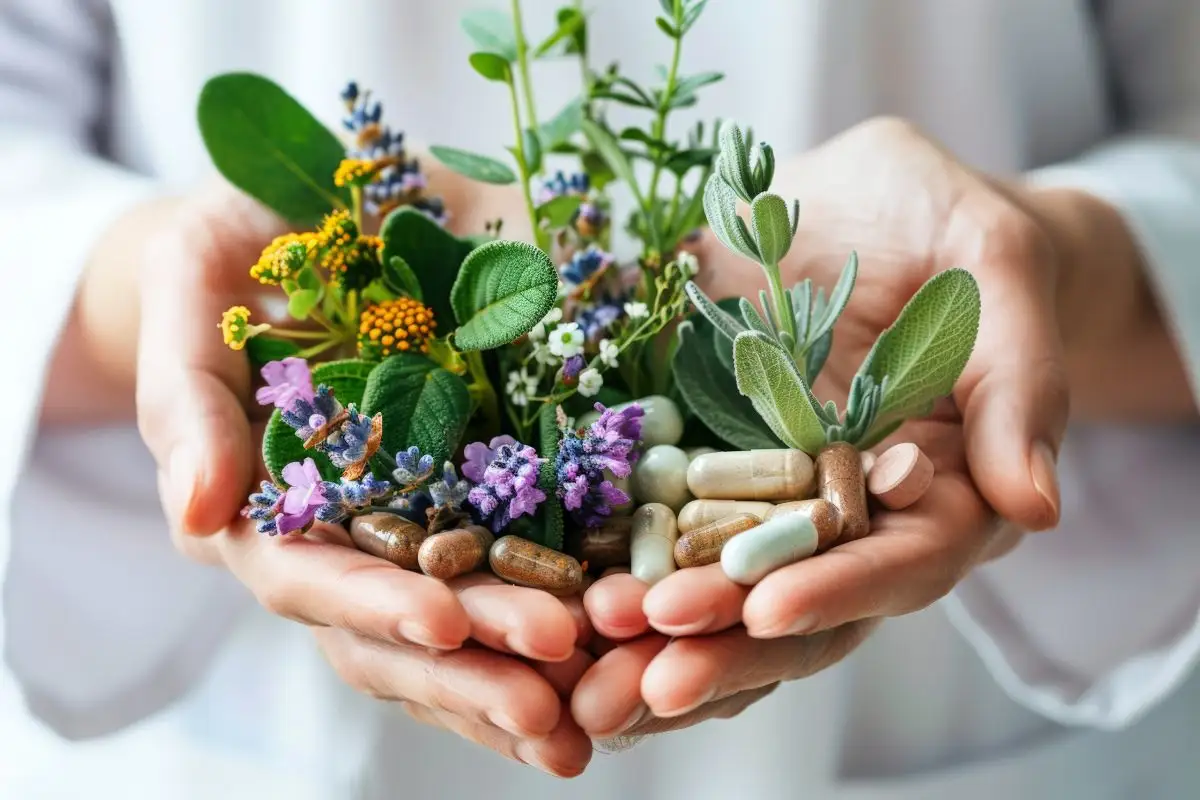


It’s a familiar ache, isn’t it? That persistent stiffness after a long day, the tension that settles in your shoulders, or the dull throb that just won’t quit. In our quest for comfort, many of us naturally turn to the plant world, drawn by the promise of gentle, natural support. The idea of reaching for a vibrant root or a fragrant leaf instead of a pill can feel deeply intuitive, a return to ancestral ways of nurturing our bodies. Yet, this very allure can sometimes lead us down paths less informed. The world of herbal remedies, while rich with wisdom, isn’t without its complexities. Can the very herbs we trust to ease our discomfort actually, in some circumstances, make things worse? This question invites us to look critically, not to dismiss the profound gifts of nature, but to engage with them with the respect and understanding they truly deserve.
Understanding Plant Power: Beyond the Buzzwords
Every herb holds a unique symphony of compounds within its leaves, roots, and flowers. These are what we call active constituents – the plant’s chemical messengers that interact with our bodies. For centuries, traditional healers observed these interactions, long before laboratories could isolate compounds like salicylates from willow bark, offering support for aches, or curcuminoids from turmeric, known for their role in managing inflammation.
The wisdom of traditional use isn’t just folklore; it’s a testament to generations of keen observation. Our ancestors didn’t have microscopes, but they knew that chewing willow bark could help ease a fever or that a strong ginger tea could settle a queasy stomach. They recognized patterns, learned through trial and error, and passed down these insights. Today, we’re fortunate to have both this deep historical context and the tools of modern science to help us better understand why these plants work, giving us a more complete picture of their potential. But even with this knowledge, we must approach them thoughtfully.
Crafting Your Remedies: The Art of Extraction
The way you prepare an herb profoundly impacts its benefits. It’s not just about grinding a dried leaf and hoping for the best. Different plant parts, and different compounds within them, require specific methods to unlock their potential.
Infusions, often called herbal teas, are perfect for delicate leaves and flowers. Think of a soothing chamomile infusion for mild tension, where hot water gently coaxes out volatile oils and water-soluble compounds. Steeping too long can make it bitter, while steeping too short might not extract enough goodness.
For tougher materials like barks and roots, a decoction is often necessary. This involves simmering the plant material in water for a longer period, breaking down dense fibers to release more robust compounds. Willow bark, for instance, is traditionally prepared as a decoction to extract its active constituents more effectively.
Then there are tinctures, which use alcohol (or sometimes glycerin or vinegar) to extract a broader spectrum of compounds, including those not water-soluble. Tinctures are potent and concentrated. I remember the rich, earthy scent and vibrant golden hue when I first crafted a turmeric tincture from fresh roots. It was a patient process, waiting weeks for the alcohol to draw out the plant’s essence, but the result was a potent preparation that served well for daily wellness support. Choosing the right method is the first step in ensuring your herbal efforts are effective and not just wishful thinking.
Navigating the Dosage Dilemma: Finding Your Herbal Sweet Spot
This is where the idea of “more is better” can become truly counterproductive. Unlike many pharmaceutical drugs with precise dosages, herbal remedies often come with broader guidelines, and for good reason. Our bodies are unique, and what works beautifully for one person might be too much, or too little, for another.
My rule of thumb is always: start low and go slow. Begin with the lowest recommended dose and observe your body’s response. Does it offer the gentle support you seek? Or do you notice any unwelcome sensations? Slowly increasing the dosage, if needed, allows your system to adjust and helps you pinpoint your individual “sweet spot.”
Consider individual variability. Factors like age, body weight, overall health, and even your unique genetic makeup can influence how you respond to an herb. What’s more, the quality of your herbs matters immensely. A potent, ethically sourced organic herb will likely have a different impact than a low-quality, conventionally grown batch.
Crucially, some herbs can interact with over-the-counter or prescription medications, potentially altering their effects or causing side effects. For example, St. John’s Wort, often used to support mood, can interfere with antidepressants, birth control, and blood thinners. Taking a large dose of a “natural” pain reliever like willow bark alongside a blood-thinning medication could increase the risk of bleeding. This is a prime example of how even well-intentioned herbal efforts can, without proper knowledge, worsen an existing condition or interfere with vital medical care. Always discuss any herbal remedies you’re considering with your healthcare provider, especially if you have existing health conditions or are taking medications.
Synergy or Chaos? Blending Herbs with Intention
The beauty of herbalism often lies in its ability to combine different plants for a more holistic effect. This is known as synergy, where the combined impact of several herbs is greater than the sum of their individual parts. A skilled herbalist might blend a warming herb, an anti-inflammatory support herb, and a calming nervine to address discomfort that also comes with tension.
However, the reverse can also be true: less is often more. In the pursuit of more potent relief, it’s tempting to throw every herb with a relevant reputation into the mix. This can lead to a chaotic blend where herbs might work against each other, or simply overwhelm your system without providing clear benefits. Imagine combining two strong sedatives when only one is needed; you might end up feeling excessively drowsy rather than gently relaxed.
A classic example of thoughtful blending is combining ginger and turmeric. Both are revered for their roles in supporting healthy inflammatory responses. Used together in a warm drink or a culinary dish, they can offer complementary support without being overwhelming. The key is to understand the individual actions of each herb and how they might harmoniously contribute to your wellness goals, rather than hoping for a “shotgun” approach.
Building Your Herbal Routine: Small Habits, Big Impact

Integrating herbs into your daily life doesn’t require grand gestures; often, it’s the small, consistent habits that yield the most profound results. Think of it as nurturing your well-being, little by little, rather than seeking a dramatic overnight fix.
Perhaps it’s a morning ritual: a cup of lemon balm tea to gently encourage calm focus before a busy day. Or a post-workout ginger compress to soothe tired muscles. Consistency allows the subtle actions of the herbs to build in your system, supporting your body’s natural rhythms. It’s a marathon, not a sprint.
Proper storage is another practical, yet often overlooked, aspect that directly impacts an herb’s effectiveness. Light, air, heat, and moisture are the enemies of herbal potency. Dried herbs should be stored in airtight, dark glass jars, away from direct sunlight and humidity. I once made the mistake of storing a batch of precious dried elderberries in a clear plastic container on a sunny shelf. Within weeks, their vibrant color faded, and with it, much of their potency. It was a hard-learned lesson in protecting these plant allies. Correct storage ensures that when you do reach for your chosen herb, it’s still offering its full potential, not just a shadow of its former self.
Bridging Worlds: Old Wisdom Meets Modern Science
In our modern age, there’s a fascinating dance between ancient herbal wisdom and cutting-edge scientific inquiry. Many traditional uses of herbs, passed down through generations, are now being investigated in labs, helping us understand the mechanisms behind their benefits. This allows us to move beyond simply knowing that an herb works, to understanding how it works.
However, it’s important to recognize that not every traditional use has been “proven” by modern randomized controlled trials. And frankly, that’s okay. The scientific method is excellent at isolating specific compounds and effects, but it sometimes struggles with the complex, synergistic nature of whole plants and the subtle, personalized nature of traditional herbal practice. A plant isn’t just one chemical; it’s a dynamic matrix of compounds that interact in ways we’re still discovering.
When we balance tradition with research, we cultivate a richer understanding. We can appreciate the centuries of experiential knowledge while also benefiting from contemporary insights into safety and efficacy. This balanced perspective helps us make informed choices, acknowledging both the depth of historical use and the evolving landscape of scientific understanding.
When Herbal Efforts Fall Short (or Worse): Real-World Scenarios
The title of this article points to a critical truth: not all herbal endeavors are beneficial, and some can indeed lead to unintended negative consequences. Let’s explore some real-world scenarios where well-intentioned efforts can go awry.
One of the most concerning scenarios is masking serious symptoms. If you’re experiencing persistent or severe discomfort, reaching for an herb might temporarily alleviate the sensation, but it could delay a proper diagnosis and treatment for an underlying condition. For example, chronic abdominal discomfort might be soothed by peppermint tea, but if the cause is something serious like appendicitis or an ulcer, masking the pain prevents timely medical intervention that could be critical. Herbal remedies are supportive, not diagnostic tools.
Another critical point is overdosing or drug interactions. As discussed, seemingly “gentle” herbs can have potent effects. Taking too much kava, for example, can lead to liver issues, especially if consumed regularly or by someone with pre-existing liver conditions. Combinations like St. John’s Wort with antidepressants, or certain adaptogens with blood pressure medication, can lead to dangerous interactions. I recall a client who, without realizing, was taking a strong herbal iron supplement alongside her prescribed iron medication, leading to an uncomfortable overload. Always be transparent with your healthcare team about all supplements you’re taking.
Poor quality products are another significant pitfall. The herbal industry, particularly for supplements, can be less regulated than pharmaceuticals. Contamination with pesticides, heavy metals, or adulteration with cheaper, ineffective substances is unfortunately possible. Buying from reputable suppliers who provide third-party testing and transparent sourcing is crucial. A cheap, brightly colored turmeric capsule might promise relief, but if it’s full of fillers and low in active curcuminoids, you’re not getting what you paid for, and potentially exposing yourself to unwanted contaminants.
Finally, remember individual sensitivities and allergic reactions. Just because an herb is natural doesn’t mean it’s benign for everyone. Some people are allergic to chamomile, a common daisy family plant. Others might find specific herbs upset their stomach, cause headaches, or simply don’t resonate with their system. What works beautifully for one friend might not work for you, and that’s perfectly normal. Listen to your body and honor its unique responses.
Rooted in Responsibility: Ethical Sourcing and Sustainability
Our relationship with herbs extends beyond our personal well-being; it touches the health of the planet and the communities that cultivate these plants. The concept of ethical sourcing isn’t just a trend; it’s a core responsibility.

Quality matters. The potency of an herb is directly linked to how it was grown, harvested, and processed. Choosing herbs from suppliers who practice sustainable agriculture ensures that the plant material is vital and free from harmful chemicals. It also means supporting practices that protect biodiversity and the delicate ecosystems where these plants thrive.
Wildcrafting, the practice of harvesting plants from their natural habitat, carries its own set of ethical considerations. While deeply rewarding, it demands profound knowledge, respect, and adherence to sustainable harvesting principles. Knowing when to harvest, how much to take without depleting a population, and being able to correctly identify the plant (to avoid poisonous look-alikes) are paramount. This isn’t a casual foraging trip; it’s a practice steeped in reverence and ecological awareness. Without this understanding, overharvesting can quickly lead to the decline of wild plant populations, harming both the environment and future access to these precious botanical allies.
Herbs in the Household: Safety for Every Age
Integrating herbs into family life is a beautiful way to foster wellness, but it requires careful consideration, especially when it comes to children, the elderly, or those who are pregnant or nursing. These populations can be more sensitive to herbal compounds, and dosages often need to be significantly adjusted.
For children, mild infusions are usually preferred, and certain powerful herbs should be avoided altogether. Always consult with a qualified herbalist or pediatrician before giving herbs to young children. Similarly, during pregnancy and breastfeeding, many herbs are contraindicated due to potential effects on the developing fetus or infant. Even seemingly harmless herbs like peppermint or raspberry leaf should be used with guidance.
It’s also vital to keep all herbal preparations, just like medications, clearly labeled and out of reach of curious hands and paws. A child mistaking a potent tincture for juice, or a pet chewing on a toxic houseplant, can lead to serious consequences.
Finally, remember that in most countries, herbal supplements are regulated differently than pharmaceuticals. This means there’s a greater onus on the consumer to understand what they are purchasing and consuming. Educating yourself about reputable brands and the specific herbs you choose empowers you to make safer, more informed decisions for your entire household.
Stewarding Plant Knowledge: A Legacy for Wellbeing
The journey with herbal remedies is a continuous path of learning, discovery, and respect. It’s a legacy we can cultivate not just for ourselves, but for future generations. Learning from experienced herbalists, whether through courses, mentorships, or traditional apprenticeships, offers invaluable insights that no book or online article can fully replicate. The nuances of plant identification, the subtle art of formulation, and the wisdom of applying herbs to individual constitutions are best learned from those who have walked the path.
Maintaining a personal herbal journal can also be a powerful tool. Documenting your experiences with different herbs—what you took, how much, how you felt, any subtle shifts or changes—builds your own personal library of knowledge. It helps you become a keen observer of your own body and its unique relationship with specific plant allies. This personal record can be incredibly empowering, guiding your future choices with grounded experience.
Ultimately, connecting with the plant world thoughtfully means seeing herbs not just as commodities for symptom relief, but as living beings that deserve our reverence and understanding. It’s about fostering a deeper connection to nature, recognizing the intricate web of life, and preserving this profound botanical knowledge for the well-being of all.
Our engagement with herbal remedies should be a dance of informed curiosity and respectful caution. These profound plant allies offer immense support for our daily well-being, but they demand our attention, patience, and a willingness to understand their power. They are not replacements for professional medical care, especially when facing persistent or serious health concerns. Instead, they are valuable complements, offering a path to deeper self-awareness and gentle self-care.
Start small, observe carefully, and listen to your body’s unique wisdom. Perhaps begin by choosing one herb, learning its story, and gently incorporating it into a daily ritual. Keep a simple journal of your observations. Seek guidance from reputable herbalists or healthcare providers as you explore. By approaching herbs with knowledge and respect, you cultivate a path of wellness that is both effective and deeply enriching, ensuring your herbal journey truly supports, rather than hinders, your vitality.
Herbal Pain Relief: Understanding the Risks and Making Safe Choices
Navigating the world of herbal remedies for pain can be incredibly empowering, offering natural avenues for comfort and relief. Yet, as a seasoned herbalist and wellness strategist, I often emphasize that “natural” doesn’t automatically equate to “risk-free.” Our intention to alleviate discomfort with herbs, while noble, must be grounded in informed choices and a deep respect for the plants we work with. Unproven claims or a lack of understanding can, at times, lead to outcomes far from our desired relief. Here, we delve into critical questions to help you approach herbal pain management with wisdom and safety.
1. Can Herbal Pain Relief Efforts Ever Worsen a Condition Instead of Helping It?

Yes, absolutely. It’s crucial to understand that while many herbs offer profound supportive properties, their misapplication can inadvertently exacerbate a situation or mask symptoms of a more serious underlying issue. Using an unsuitable herb, an incorrect dosage, or overlooking potential interactions can lead to unintended side effects or prevent timely, appropriate medical intervention, thereby worsening your overall condition or prolonging discomfort. My own experience has shown me that even seemingly gentle herbs can have potent effects, and respecting that power is paramount.
2. How Can an Herbal Remedy Potentially Make My Pain Worse or Create New Problems?
There are several ways this might occur. Firstly, direct adverse effects can arise if a particular herb isn’t suitable for your unique constitution or current health status. Secondly, herbs can interact with medications you’re already taking—whether prescription or over-the-counter—potentially increasing or decreasing their effect, which can lead to complications or reduce the efficacy of your conventional treatment. Thirdly, relying solely on herbs for persistent or severe pain without a proper medical diagnosis can mask symptoms of a progressing severe condition, thereby delaying critical intervention. Lastly, using an herb in an inappropriate form (e.g., a concentrate when a dilute infusion is called for) or at an excessive dosage could lead to new side effects that feel like new pain or discomfort, or even organ strain.
3. What Constitutes an “Unproven Claim” When It Comes to Herbal Pain Relief?
An “unproven claim” in herbal pain relief typically refers to a statement or recommendation that lacks scientific evidence, relies solely on isolated anecdotal reports without broader corroboration, or makes absolute therapeutic promises that haven’t been substantiated through rigorous study or historical traditional use with clear safety profiles. Such claims often come from sources without demonstrable herbal expertise, promote remedies with insufficient safety data—especially concerning long-term use or potential interactions—or suggest that an herb is a universal “cure” for all types of pain without nuance. My practice is built on blending time-honored wisdom with contemporary, evidence-informed insight to avoid such pitfalls.
4. How Can I Discern Between Credible Herbal Pain Relief Advice and Potentially Harmful Unproven Claims?
Discerning credible advice involves a few key practices. Look for guidance that is balanced, acknowledges potential risks, contraindications, and interactions, and encourages consultation with healthcare professionals. Credible sources—whether ancient texts interpreted by experts or modern clinical studies—cite research, clearly delineate traditional uses with appropriate caveats, and prioritize safety above all. Be highly wary of “miracle cures,” promises of instant or complete relief for all types of pain, or claims that advocate for replacing all conventional medical care without professional oversight. Seek guidance from qualified clinical herbalists, licensed naturopathic doctors, or reputable health organizations known for their evidence-based approaches.
5. Are There Specific Types of Herbs or Preparations That Carry Higher Risks for Pain Management If Misused?
It’s less about classifying certain herbs as inherently “bad” and more about understanding the potential for misuse and individual sensitivity. However, some categories of herbs demand greater caution. These include herbs with potent pharmacological activity, those that significantly influence liver enzymes (which can alter drug metabolism), or those with potential cumulative toxicity if used improperly or for extended periods. For example, some herbs contain compounds that can be liver-toxic in high doses or with prolonged use. Even seemingly gentle herbs can cause issues in individuals with specific allergies, sensitivities, or underlying health conditions. Always remember that potency requires respect and informed application.
6. How Do Herbal Remedies Interact with Conventional Pain Medications, and What Are the Dangers?
Interactions between herbal remedies and conventional medications are a significant concern and are a primary reason to always consult with a healthcare provider. Many herbs can inhibit or induce the cytochrome P450 (CYP450) enzyme system in the liver, which is responsible for metabolizing a vast array of drugs, including many pain relievers. This interaction could lead to higher drug levels in your system (increasing the risk of side effects or toxicity) or lower drug levels (reducing the medication’s effectiveness). For example, certain herbs can have blood-thinning properties, significantly increasing the risk of bleeding if taken alongside anticoagulant medications. Transparency with your doctor, pharmacist, and herbalist about all supplements and medications you’re taking is non-negotiable for your safety.
7. Can Incorrect Dosage or Preparation of an Herbal Remedy Lead to Worsened Pain or Other Adverse Effects?
Absolutely. The adage “the dose makes the poison” applies profoundly in herbalism. Administering too high a dose of an herbal remedy can lead to adverse effects that might mimic, exacerbate, or even introduce new types of pain or discomfort. Conversely, too low a dose might be entirely ineffective, causing you to delay seeking a more appropriate solution while your condition potentially progresses. The preparation method also plays a crucial role; certain plant constituents are extracted differently based on whether you’re making an infusion, decoction, or tincture. An unsuitable preparation might concentrate unwanted compounds, dilute beneficial ones too much, or even render the herb ineffective, leading to frustration and continued pain. I’ve often seen how a simple tweak in preparation can make all the difference.
8. If I’m Using Herbs for Pain Relief, How Can I Be Sure I’m Not Masking a More Serious Underlying Condition?
This is a critical concern for any holistic practitioner. Persistent, worsening, or changing pain—especially if accompanied by other alarming symptoms like fever, unexplained weight loss, significant numbness, or weakness—is a red flag that demands immediate medical evaluation. Herbal remedies are wonderful supportive tools, but they should complement, not replace, thorough diagnostic processes. If your pain is not significantly improving with herbal support after a reasonable trial (e.g., a few days for acute issues, a few weeks for chronic, guided support), or if you simply feel uneasy about your symptoms, it’s a clear and urgent signal to consult a medical doctor for a comprehensive assessment.
9. When Should I Stop Self-Treating My Pain with Herbs and Seek Professional Medical Advice?
You should immediately stop self-treating with herbs and seek professional medical advice if:
Your pain is severe, sudden, rapidly worsening, or debilitating.
The pain is accompanied by alarming symptoms such as a high fever, chills, significant weakness, numbness, tingling, or sudden changes in bowel or bladder function.
You suspect a fracture, serious injury, or internal issue.
Herbal remedies are not providing adequate relief after a reasonable trial period (which a qualified herbalist can help define for your specific situation).
You experience any new, uncomfortable, or concerning symptoms after starting an herbal remedy.
You have an existing chronic medical condition, are pregnant, or nursing, as these situations often require specialized care and oversight. My general rule of thumb is: when in doubt, check it out with a doctor.
10. What Is the Most Responsible and Safe Approach to Integrating Herbal Remedies into My Pain Management Strategy?
The most responsible approach involves several fundamental steps, blending caution with curiosity and informed action:
1. Consult Healthcare Professionals: Always discuss your pain and your interest in using herbs with your primary care physician, and ideally, a qualified clinical herbalist. This creates a holistic care team.
2. Educate Yourself Thoroughly: Dedicate time to learn about the specific herbs you consider—their traditional uses, the current scientific understanding of their mechanisms, common and safe dosages, contraindications, and known potential interactions.
3. Start Low, Go Slow: Begin with the lowest recommended effective dose and gradually increase it only if needed, meticulously monitoring your body’s response and any changes.
4. Prioritize Diagnosis: Ensure any persistent or chronic pain has been properly diagnosed by a medical professional to rule out serious underlying conditions.
5. Listen to Your Body: Pay close attention to how you feel. If an herb doesn’t feel right, causes new discomfort, or doesn’t deliver the expected support, stop using it.
6. Source Wisely:* Always use high-quality, ethically sourced herbs from reputable suppliers who prioritize purity and potency.
This integrated, informed, and cautious approach allows you to explore and potentially harness the profound benefits of herbal remedies for pain management while minimizing potential risks and prioritizing your overall wellbeing.