
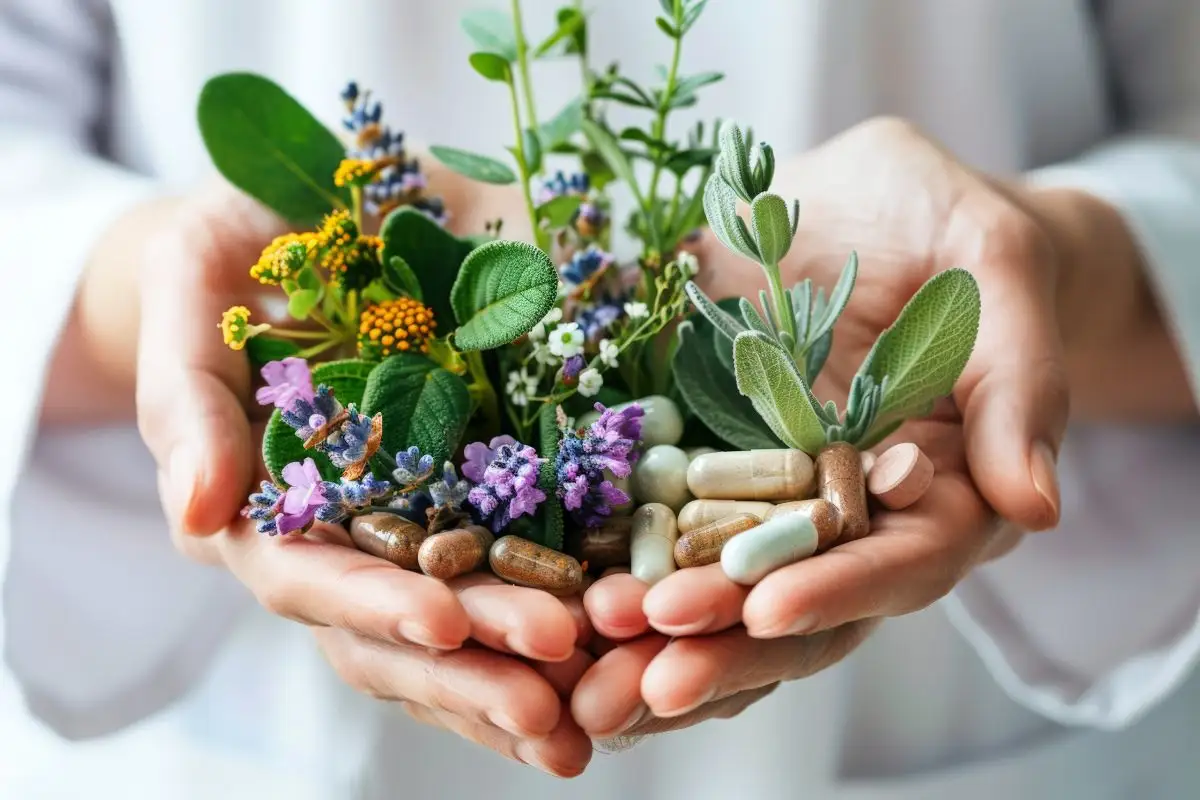


The aroma of simmering ginger and lemon on the stovetop is, for many of us, a deeply comforting signal that we’re caring for ourselves. It’s a sensory balm, evoking generations of home-spun wisdom passed down through families. I’ve certainly spent my share of chilly mornings carefully slicing roots and steeping herbs, believing wholeheartedly in the gentle power of the kitchen cabinet to offer a measure of support during common seasonal discomforts. There’s a particular satisfaction in crafting something with your own hands, especially when it comes to personal wellness. Yet, with every batch of homemade elderberry syrup or soothing chest rub, a quiet question lingers in the air: while we aim to nurture our bodies, could our well-intentioned DIY efforts inadvertently be causing more harm than good? It’s a vital question to explore, one that moves beyond simple belief to thoughtful practice.
Foundations of Thoughtful Home Remedies: More Than Just Ingredients
The surge of interest in DIY natural remedies isn’t just a fleeting trend; it’s a reflection of a deeper desire for personal agency over our health, a return to simpler methods, and often, a quest for products with fewer synthetic ingredients. We see the rising costs of over-the-counter options and wonder if the pantry holds a more authentic, perhaps even more effective, solution. My own journey into this space began with a simple desire to reduce exposure to harsh chemicals and understand exactly what was going into the preparations I used.
However, this empowering sentiment also carries a responsibility. The kitchen, while a haven of creativity, isn’t a sterile laboratory. What we consider “natural” isn’t always synonymous with “safe” or “effective” for everyone. Raw honey, for example, is a beloved ingredient in many home remedies for its soothing qualities, particularly for scratchy throats. But for infants under one year, it poses a serious risk due to potential botulism spores. This stark example highlights a core principle: even the most benign-sounding ingredient comes with caveats. Our role as home wellness strategists is to blend practical experimentation with evidence-informed caution, understanding that the limits of self-care are as important as its potential benefits. We must cultivate a mindset that values rigorous hygiene, accurate knowledge of ingredient properties, and realistic expectations about what our remedies can and cannot do. They are designed to support comfort and well-being, not to replace professional medical advice for serious conditions.
Common Kitchen Allies: Understanding Their Role and Risks
When we consider ingredients like ginger, garlic, turmeric, and various herbs often touted for their immune-supportive qualities, it’s easy to assume they are universally beneficial. Ginger, with its warming properties, is frequently steeped to create soothing teas, traditionally used to support digestive comfort and alleviate mild nausea. Garlic is often crushed and consumed raw, or steeped in honey, in attempts to harness its traditional benefits. Turmeric is widely incorporated into warm milk or broths for its reputed anti-inflammatory support. Elderberry, a perennial favorite, is typically prepared as a syrup, often integrated into home routines during seasonal changes.
Through my years of kitchen experimentation, I’ve learned that the potency of these natural ingredients can vary greatly. A fresh ginger root from the market might be more potent than dried, ground ginger from the spice rack, for instance. And while these ingredients are generally safe when consumed as food, their concentrated use in remedies can sometimes present challenges. For example, some individuals might experience digestive upset from too much raw garlic. Or, if you’re taking certain medications, especially blood thinners, concentrated ginger or turmeric could potentially interact, making caution paramount.
I recall a time I got a little overzealous with a ginger-garlic concoction during a particularly stubborn seasonal discomfort. My intention was good, aiming for maximum impact. Instead, I ended up with a rather fiery stomach ache, completely counteracting my goal of comfort. It was a clear lesson that more is not always better, and that even natural ingredients have a threshold beyond which they can cause discomfort rather than relief. Understanding the traditional uses of these ingredients, combined with an awareness of individual physiological responses and potential interactions, helps us approach home remedies with both respect and wisdom. Always remember, the goal is gentle support, not an aggressive intervention.
The Art of Preparation: Hygiene, Methods, and Preventing Contamination
The journey from a raw ingredient to a supportive remedy involves a critical step: preparation. This is where the simple act of making a tea or a salve transforms into a mindful practice of hygiene and technique. Cross-contamination is a silent saboteur in the home remedy kitchen. Just as you wouldn’t prepare a meal for guests without washing your hands and sanitizing surfaces, the same meticulousness must apply to your remedies.
For infusions and decoctions—think herbal teas or syrups—using clean, sterilized jars and utensils is non-negotiable. I’ve found that a quick run through a hot dishwasher cycle or a soak in boiling water for glass jars and metal spoons makes a significant difference. Allowing these items to air dry completely before use prevents introducing unwanted moisture, which can be a breeding ground for mold and bacteria, especially when storing preparations. When crafting a simple syrup, ensuring it reaches a proper boil and is then stored in a sterile, airtight container in the refrigerator can significantly extend its useful life, typically for a few weeks. Anything beyond that starts to venture into risky territory.
Salves and balms, on the other hand, require attention to shelf life and rancidity, particularly when using carrier oils like olive, almond, or coconut oil. While these oils are wonderful for extracting herbal properties, they can oxidize over time, developing an unpleasant odor and losing their beneficial qualities. I always date my handmade salves and aim to use them within 6-12 months, storing them in cool, dark places. My first batch of calendula salve, though effective, started to smell a bit “off” after about eight months. It still worked, but the experience taught me the importance of small batches and mindful storage, even for oil-based preparations. Using antioxidants like Vitamin E oil (tocopherol) in your oil-based remedies can also help extend their shelf life naturally.
Comparing this to store-bought products, commercially prepared remedies often contain preservatives and are manufactured under controlled conditions designed for extended stability. While these additives might be something you’re trying to avoid, they serve a purpose. Our homemade versions, by nature, lack these industrial stabilizers, making vigilant hygiene and sensible storage practices all the more crucial to prevent our remedies from becoming vectors for unwanted microbes rather than sources of comfort.
Navigating Individual Sensitivities and the Crucial Role of Patch Testing
One of the most profound lessons I’ve learned in my exploration of natural remedies is the sheer diversity of individual responses. What works wonderfully for one person might cause a mild irritation, or even an adverse reaction, in another. This variability is why the practice of patch testing is not just a suggestion but a critical step, especially when introducing a new topical remedy.

I vividly recall making a lovely, rosemary-infused oil for a friend who was complaining of muscle tension. Rosemary is traditionally valued for its invigorating and stimulating properties, often used in topical applications. My friend, however, has rather sensitive skin. Despite my enthusiasm for the blend, I insisted she perform a patch test first. She dabbed a small amount on her inner forearm, covered it with a bandage, and waited 24 hours. The next day, a slight redness appeared. Nothing severe, but enough to know that particular concentration or ingredient wasn’t a good fit for her. We adjusted, opting for a much gentler blend with less rosemary and more calming lavender, which proved to be perfectly fine.
This experience solidified my conviction about individual differences. Our bodies are complex, unique ecosystems, and while an ingredient might be generally recognized as benign, individual sensitivities, allergies, or even interactions with existing skin conditions are always a possibility.
For any new topical preparation – whether it’s a salve, a diluted essential oil blend, or a compress – applying a small amount to an inconspicuous area of skin (like the inner forearm or behind the ear) and waiting 24 hours is paramount. Look for any signs of redness, itching, swelling, or discomfort. If any reaction occurs, wash it off immediately and discontinue use. This simple step can prevent widespread skin irritation and ensure that your efforts to nurture your body remain truly supportive.
Beyond topical applications, internal remedies also demand this personalized approach. Some individuals might find certain herbs too stimulating, or experience digestive upset. Listening to your body, starting with very small doses, and observing closely how you feel are all part of the mindful experimentation process.
Crafting Smartly: Infusions, Salves, and Syrups Done Right
Moving from theory to practice, let’s delve into the hands-on strategies for crafting effective and safe remedies. The beauty of DIY lies in its simplicity, but effectiveness hinges on attention to detail.
Infusions (Herbal Teas and Tinctures):
When making a simple herbal infusion, like a chamomile tea for calming support, use dried herbs from a reputable source. The quality of your ingredients directly impacts the potency and safety of your remedy. For a stronger infusion (often called a nourishing infusion), you might steep herbs like nettle or oat straw for several hours or even overnight. Always use non-reactive materials like glass or ceramic for steeping. If you’re creating a tincture, which uses alcohol to extract constituents, precise measurements are key, and research into specific herb-to-alcohol ratios is necessary for both efficacy and safety. Remember that tinctures are potent and used in very small doses.
Salves and Balms:
My go-to method for a basic healing salve starts with infusing a carrier oil (like olive or sunflower) with dried herbs (such as calendula or plantain) over low heat for several hours, or letting it steep in a sunny window for weeks. Once strained, I gently melt beeswax into the infused oil – typically 1 ounce of beeswax per cup of oil for a firm salve, adjusting for desired consistency. Pour into clean, sterilized tins or jars, and allow to cool completely before capping. Proper ratios are crucial; too little beeswax, and it’s a mess; too much, and it’s too hard to apply. My initial attempts often resulted in salves that were either too oily or too waxy, a testament to the trial-and-error nature of this craft.
Simple Syrups (like Elderberry):
These are a popular choice for their palatability and ease of use. A standard elderberry syrup involves simmering dried elderberries with water, straining the liquid, and then stirring in honey or maple syrup once the liquid has cooled to a safe temperature (below 115°F or 46°C to preserve honey’s beneficial enzymes). Proportions matter for preservation as well as taste. A 1:1 ratio of liquid to honey is common. As discussed earlier, refrigeration and sterile containers are vital. The first time I made elderberry syrup, I was so excited I didn’t let the liquid cool enough before adding the honey. The honey immediately thinned out and lost some of its viscosity, a minor imperfection, but a valuable lesson in patience and process.
Storage Practices:
Regardless of the remedy, proper storage is paramount. Light, heat, and air are the enemies of freshness. Dark glass bottles for tinctures and oils, airtight containers for salves, and refrigeration for syrups are the general rules. Label everything clearly with the contents and date of preparation. A remedy past its prime isn, at best, ineffective, and at worst, could harbor unwanted microbial growth.
Integrating DIY Wellness into a Mindful Lifestyle
The true benefit of crafting your own remedies blossoms when it’s integrated seamlessly into a broader, mindful lifestyle. It’s not just about what you make, but how you incorporate it into daily routines and how it complements your overall wellness strategy.
For families, having a small, curated “first-aid” kit of gentle DIY remedies can be incredibly empowering. Think a small jar of calendula salve for minor scrapes, a bottle of diluted lavender oil for insect bites (after a patch test, of course!), or a simple herbal tea blend for a restless evening. As a parent, I’ve found great comfort in knowing I have these gentle options on hand, but I also know when to reach for the phone and consult a professional. Sustainable sourcing of ingredients also becomes part of this mindful approach. Choosing organic herbs, local honey, or growing some of your own medicinal plants connects you more deeply to the earth and the cycle of wellness. This might involve budgeting for quality ingredients, understanding that while DIY can save money on some items, investing in high-quality raw materials is essential.
For remote professionals, who might spend long hours at a desk, simple daily rituals involving DIY elements can be grounding. A peppermint essential oil roller blend for a quick pick-me-up (again, diluted properly and patch-tested), or a warming ginger tea to soothe digestion, can be small, yet significant, acts of self-care.
It’s also important to be aware of the broader regulatory landscape. While home remedies fall largely outside direct regulation, responsible practice means understanding that these are not pharmaceutical products and should never be marketed or presented as such. This awareness helps us maintain a balanced perspective, respecting the boundaries between supportive home care and professional medical intervention.
Balancing Home Care with Professional Guidance
Ultimately, the journey of DIY natural remedies is one of empowerment, personal connection to wellness, and a deep appreciation for nature’s offerings. It’s about building a toolbox of gentle, supportive options that enhance your well-being. But this journey is always undertaken with a compass pointing towards common sense and responsible decision-making.
Cultivating a home wellness practice means knowing when your kitchen creations can offer comfort and support, and perhaps even accelerate recovery from minor, everyday discomforts. It also means recognizing the clear boundaries. Persistent symptoms, severe pain, high fever, unexplained rashes, or any condition that significantly impacts your quality of life are unequivocal signals to consult a healthcare professional. Our homemade preparations are companions on the path to well-being, not substitutes for diagnosis, treatment, or the experienced eye of a medical practitioner.

Think of it as developing a discerning palate: you learn to appreciate the subtle flavors of homemade remedies while understanding that sometimes, a finely crafted meal requires the expertise of a professional chef. Embrace the joy of creating, the learning that comes with each batch, and the confidence that grows with mindful practice. Experiment gradually, respect the potency of natural ingredients, and listen intently to your body’s responses. Let your remedies be a testament to your proactive care, a gentle acknowledgment of your body’s inherent wisdom, and a reminder that true wellness often flourishes in the balance between self-sufficiency and seeking expert counsel.
The Kitchen Pharmacist’s Guide: Safeguarding Your DIY Cold Remedies for True Wellness
The gentle hum of a simmering pot on the stove, the comforting aroma of herbs infusing into a steaming mug – for many of us, crafting our own remedies is an integral part of navigating the sniffles and coughs that accompany seasonal shifts. There’s a profound satisfaction in turning to the pantry or garden for support, leaning into ancestral wisdom and the simple power of nature. As a long-time advocate and practitioner of home wellness, I’ve spent countless hours at my kitchen counter, experimenting with ingredients, refining preparations, and learning the subtle dance between efficacy and caution. This hands-on journey has taught me immense respect for these botanical allies, but also the critical importance of informed discernment. While DIY remedies can be wonderfully supportive, it’s also true that missteps can, inadvertently, make a common cold feel worse, or even introduce new discomforts. Let’s explore how to ensure our well-intentioned efforts truly nurture our well-being.
—
1. Can DIY cold remedies genuinely make you sicker, or is that just a myth?
It’s absolutely not a myth. While many traditional remedies are generally safe and effective when used appropriately, the potential for them to make you feel worse or even cause harm is real. This isn’t about fear-mongering; it’s about responsible practice. I’ve personally seen folks get a rash from overdoing a certain herb in a compress, or experience digestive upset from an incorrectly concentrated infusion. The pitfalls often stem from a combination of factors: incorrect identification of ingredients, improper preparation methods, excessive dosages, individual sensitivities or allergies, or interactions with other medications. For instance, something as seemingly innocuous as gargling with highly concentrated salt water too frequently can irritate mucous membranes, or ingesting certain essential oils, even food-grade ones, without proper dilution can cause severe internal distress. The goal isn’t to discourage home remedies, but to approach them with the same respect and diligence you’d give to any wellness practice. We’re not just throwing ingredients together; we’re mindfully crafting support, and that requires a foundational understanding of what we’re working with.
2. What common DIY cold remedy ingredients are most likely to cause adverse reactions if misused?
Several familiar ingredients, while often beneficial, carry a higher risk when misused. Essential oils, for instance, are potent plant extracts and require significant caution. Ingesting undiluted essential oils, or even highly concentrated dilutions, can be toxic, causing irritation to mucous membranes, digestive upset, or even more severe systemic effects. Topical application without proper dilution can lead to skin irritation or sensitization. I always stress, less is more when it comes to essential oils, and always dilute them in a carrier oil for topical use, or diffuse them rather than internalizing. Then there are certain herbs that, while therapeutic, can be problematic in high doses or with prolonged use. Echinacea, for example, is widely used for immune support, but some individuals can experience allergic reactions, and prolonged use might not always be advisable depending on the specific product and individual health. Herbs like ginger or cayenne, wonderful for warming and circulation, can cause significant digestive distress or heartburn if consumed in too large quantities, especially on an empty stomach. Even common kitchen items like apple cider vinegar can erode tooth enamel if used undiluted for gargling or taken frequently without diluting and rinsing. My rule of thumb is: if you wouldn’t eat a whole bowl of the fresh herb, don’t assume a concentrated extract is benign in large quantities. Always research the specific herb’s recommended dosages and potential contraindications.
3. How can improper preparation or storage of homemade remedies lead to illness or reduced effectiveness?
Improper preparation and storage are silent saboteurs of our home remedies. When I first started making tinctures, I once used a jar that wasn’t thoroughly sterilized, and within days, my beautiful calendula infusion started to look cloudy – a clear sign of microbial growth. This is a common pitfall. Any remedy that involves water, heat, or organic matter is a potential breeding ground for bacteria, molds, or yeasts if hygiene isn’t paramount. Think about homemade elderberry syrup: without proper sanitation during preparation and correct sugar concentration, it can quickly spoil. Consuming spoiled remedies can lead to food poisoning-like symptoms, making your cold feel exponentially worse.
Similarly, inadequate storage can degrade the active compounds in your remedies, rendering them less effective. Exposure to light, air, and inconsistent temperatures can break down sensitive phytochemicals. For example, a potent herbal tea left uncovered on the counter might lose much of its volatile aromatic compounds, which often contribute to its therapeutic properties. Salves, if not kept in airtight containers and away from heat, can become rancid or lose their emollient qualities. Always use clean, sterilized containers, label everything with dates, and store remedies in cool, dark places as recommended. This meticulousness isn’t just about extending shelf life; it’s about preserving efficacy and ensuring safety, turning your kitchen into a true home apothecary.
4. Are there specific underlying health conditions or medications that make certain DIY cold remedies risky?
Absolutely, and this is where the “evidence-informed caution” truly comes into play. What’s perfectly fine for one person can be quite risky for another, particularly when underlying health conditions or medications are in the picture. For example, a soothing ginger tea might be wonderful for many, but for someone on blood-thinning medication, large amounts of ginger could theoretically increase the risk of bleeding due to its antiplatelet properties. People with autoimmune conditions should be cautious with immune-stimulating herbs like Echinacea or elderberry, as these could potentially exacerbate their condition, depending on the specific illness and its presentation. Diabetics need to be mindful of sugar content in homemade syrups, even natural ones like honey or maple syrup. Pregnant or breastfeeding individuals should always consult with a healthcare provider before using any herbal remedies, as many common herbs are not fully studied for safety during these critical times. Even for common herbs like peppermint, those with gastroesophageal reflux disease (GERD) might find it worsens their symptoms by relaxing the lower esophageal sphincter. My personal practice involves a thorough check-in with oneself and, critically, a conversation with a qualified healthcare professional or a clinical herbalist before integrating new remedies, especially if any prescriptions or chronic conditions are present. It’s about building a holistic picture of your health.
5. How can I differentiate between a mild side effect of a DIY remedy and a sign that it’s making me sicker?
This is a crucial distinction that often comes down to careful observation and body awareness. A mild side effect might be a slight tingling sensation from a menthol chest rub, or a very minor, temporary digestive shift as your system adjusts to a new herbal tea. These are often fleeting and non-distressing. However, signs that a remedy might be making you sicker are usually more persistent, uncomfortable, or indicative of an adverse reaction.

Watch for:
Worsening symptoms: If your cold symptoms intensify (e.g., fever spikes, cough becomes much harsher, congestion becomes unbearable) shortly after using a remedy, it’s a red flag.
New symptoms: The emergence of symptoms unrelated to your cold, such as severe nausea, vomiting, diarrhea, intense headaches, dizziness, heart palpitations, or unexplained fatigue, immediately after using a remedy.
Allergic reactions: Hives, rashes, significant itching, swelling (especially of the face, tongue, or throat), difficulty breathing, or wheezing are serious signs requiring immediate medical attention. Even a localized rash could indicate a topical allergy or sensitivity.
Gastrointestinal distress: Persistent stomach pain, severe cramps, or prolonged indigestion that wasn’t present before.
My personal approach is to introduce new remedies one at a time, in conservative doses, and always listen closely to my body’s feedback. If there’s any doubt, or if discomfort persists beyond a very mild and temporary sensation, I discontinue the remedy and re-evaluate. It’s always better to err on the side of caution.
6. What are the risks of using too much of a good thing, like excessive amounts of elderberry or vitamin C?
The belief that “more is better” can be a genuine trap in the world of natural remedies. Even beneficial ingredients have optimal dosages, and exceeding them can lead to unintended consequences. With elderberry, while renowned for its immune-modulating properties, consuming large amounts, particularly of uncooked berries or improperly prepared extracts, can lead to nausea, vomiting, or diarrhea due to compounds naturally present in the plant. The key is proper preparation and appropriate dosage, often found in standardized extracts. Similarly, while Vitamin C is essential for immune function, megadoses often recommended for colds can cause significant gastrointestinal upset, including diarrhea and stomach cramps. The body can only absorb so much at once, and excess is simply excreted, but not without potentially causing temporary discomfort along the way. Even something as simple as zinc lozenges, effective for some in shortening cold duration, can lead to nausea or a metallic taste in the mouth if overused. It’s a prime example of why understanding the recommended therapeutic window for any supplement or herbal preparation is crucial. It’s not about inundating your system; it’s about providing targeted, sensible support that works with your body, not against it.
7. How critical is a patch test for topical cold remedies, and what should I look for?
A patch test is absolutely critical for any new topical remedy, especially if you have sensitive skin or a history of allergies. I’ve learned this the hard way years ago, getting a minor rash from a store-bought balm that I just assumed would be fine. Our skin is a complex organ, and even natural ingredients can cause reactions.
To perform a patch test:
1. Apply a tiny amount of the diluted remedy (e.g., a chest rub with essential oils, a soothing salve) to an inconspicuous, sensitive area of skin, such as the inner forearm or behind the ear.
2. Cover the area with a small bandage.
3. Wait 24 to 48 hours.
4. Remove the bandage and inspect the area.
What to look for:
Redness or irritation: Any noticeable redness, burning, itching, or stinging sensation.
Swelling: Any puffiness or inflammation.
Rash or hives: Bumps, welts, or any unusual skin texture.
If you observe any of these reactions, even mild ones, the remedy is likely not suitable for your skin. It’s a simple, proactive step that can prevent widespread discomfort and ensures you’re not adding a skin irritation to your cold symptoms. My approach is to make this a non-negotiable step, especially when crafting new blends or trying ingredients I haven’t used topically before.
8. What are common hygiene mistakes in making DIY remedies that can lead to contamination?
Maintaining impeccable hygiene is perhaps the most fundamental, yet often overlooked, aspect of safe DIY remedy crafting. Think of your kitchen as a mini-laboratory. Common mistakes that lead to contamination include:
Unsterilized Equipment: Using jars, bottles, stirring spoons, or strainers that haven’t been properly cleaned and sterilized. Dishwasher cycles often suffice, but for sensitive preparations like tinctures or syrups, a quick boil or a rinse with high-proof alcohol for non-plastic items is better. I’ve seen mold creep into perfectly good herbal oils simply because the jar wasn’t clean enough.
Unwashed Hands: Our hands carry countless microorganisms. Always wash hands thoroughly with soap and water before handling any ingredients or equipment.
Contaminated Ingredients: Using herbs or produce that haven’t been thoroughly washed, or are starting to show signs of spoilage. While fresh herbs are wonderful, ensuring they are free from soil, pesticides, or other contaminants is vital.
Leaving Preparations Exposed: Leaving infusions, decoctions, or syrups uncovered for extended periods allows airborne bacteria and spores to settle in, accelerating spoilage.
Using Non-Food Grade Containers: Opting for containers not designed for food or cosmetic use can introduce undesirable chemicals into your remedy. Stick to glass or food-grade plastics.
Cross-Contamination: Using the same cutting board or knife for raw meats and then for chopping herbs without proper cleaning in between.
These seem like basic kitchen rules, but in the focused excitement of making a remedy, they can sometimes be forgotten. A clean environment isn’t just aesthetic; it’s a non-negotiable pillar of safety and efficacy.
9. When should I stop self-treating a cold with DIY remedies and seek professional medical advice?
Knowing when to pivot from self-care to professional medical advice is perhaps the most important discernment tool in the DIY wellness toolkit. Natural remedies are designed to support the body’s healing process for common, mild ailments, not to replace qualified medical care for serious conditions. I’ve often reminded clients that their kitchen pharmacist role comes with the wisdom to know when to call in the doctor.
You should stop self-treating and seek professional advice immediately if you experience:
High or persistent fever: A fever over 102°F (39°C) in adults, or any fever in infants under 3 months, or a fever that lasts more than 3-4 days.
Difficulty breathing or shortness of breath: This is a serious symptom that needs immediate attention.
Severe chest pain or pressure.
Sudden dizziness, confusion, or severe weakness.
Worsening symptoms: If your cold symptoms steadily worsen rather than gradually improve after a few days, or new, more severe symptoms develop.
Severe sore throat with difficulty swallowing, or white spots on tonsils.
Persistent cough: A cough that lingers for more than 2-3 weeks, or produces thick, discolored mucus.
Ear pain or discharge.
Any signs of severe allergic reaction: Widespread rash, significant swelling, difficulty breathing.
If you have underlying chronic conditions: (e.g., asthma, COPD, heart disease, compromised immune system) and your cold symptoms feel more severe than usual.
My philosophy is always: when in doubt, check it out. A quick call to your doctor or a visit to an urgent care clinic provides peace of mind and ensures that a simple cold isn’t masking something more serious. Our home remedies are powerful allies, but they operate within a defined scope, and respecting that boundary is paramount to true wellness.
10. What practices can help ensure my DIY cold remedies are always safe and effective, and never counterproductive?
Cultivating a mindset of informed caution and mindful practice is key to ensuring your DIY cold remedies are always beneficial. Here are the practices I embed in my own home wellness strategy:
Educate Yourself Continuously: Don’t just follow recipes blindly. Understand the properties of each herb, oil, or ingredient you’re using. Consult reputable sources like botanical guides, peer-reviewed studies (even if just summaries), and trusted herbalists. The American Botanical Council and the National Center for Complementary and Integrative Health (NCCIH) are excellent starting points.
Start Small & Dilute Diligently: When trying a new remedy or ingredient, begin with the lowest recommended dose. For topical applications, always dilute potent ingredients like essential oils in a carrier oil (e.g., jojoba, almond oil) and perform a patch test.
Hygiene is Non-Negotiable: Treat your remedy-making with the same sterile precision as cooking. Clean and sterilize all equipment, wash your hands thoroughly, and use fresh, clean ingredients.
Label and Date Everything: This prevents confusion and ensures you use remedies within their safe shelf life. My pantry shelves are filled with clearly marked jars – it’s a simple habit that saves a lot of guesswork.
Listen to Your Body: Pay close attention to how you feel after taking a remedy. Mild improvements are the goal; any discomfort, worsening symptoms, or new, unexplained reactions mean you should stop.
Know Your Personal Health Landscape: Be acutely aware of your own allergies, sensitivities, chronic conditions, and any medications you’re taking. This personal context dictates which remedies are safe for you.
Source Wisely: Obtain herbs and ingredients from reputable suppliers. Organic and ethically wildcrafted options are often preferred, as they minimize exposure to pesticides and ensure sustainability.
Store Properly: Protect your remedies from light, heat, and air to maintain their potency and prevent spoilage. Cool, dark cupboards or amber glass bottles are your friends.
* Understand the Limits of Self-Care: Recognize that DIY remedies are complementary supports. They are not substitutes for professional medical diagnosis or treatment, especially for severe, persistent, or unusual symptoms. Always have a clear line in the sand for when to contact a healthcare provider.
By integrating these practices, you’re not just making remedies; you’re cultivating a sustainable, safe, and deeply empowering approach to natural wellness that truly serves your health.