
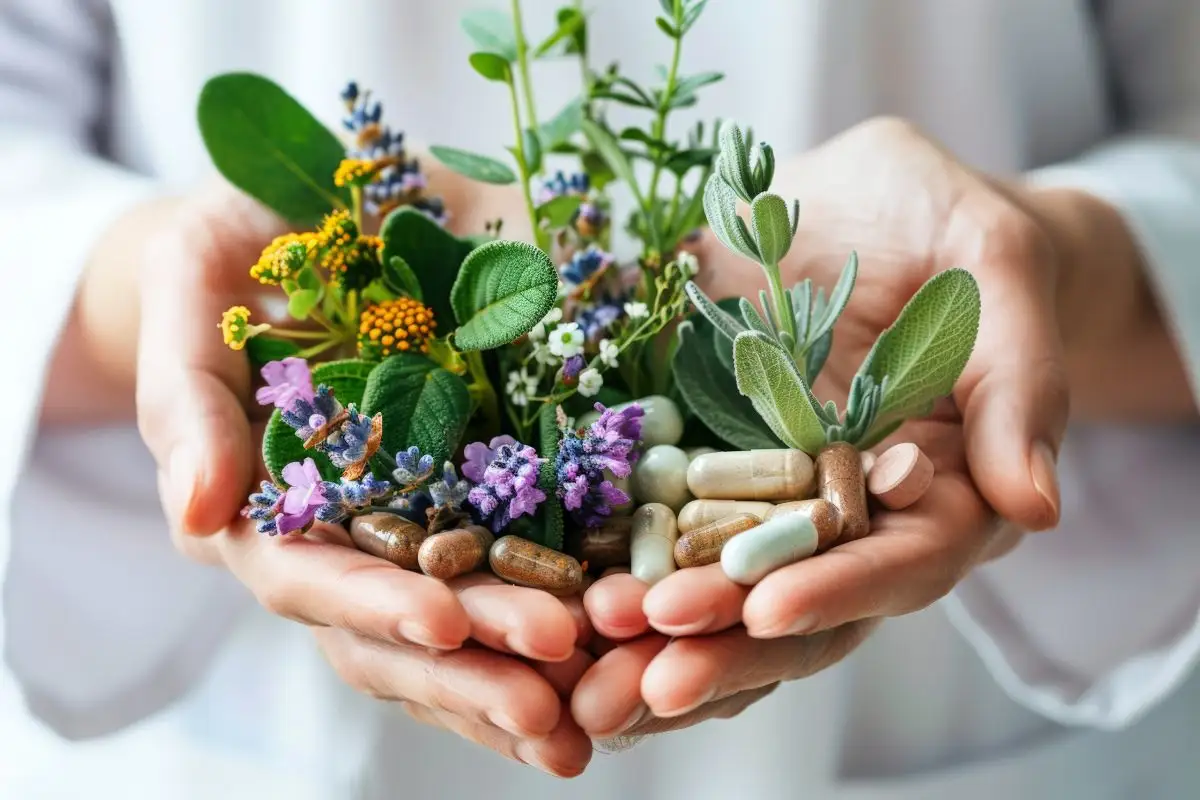


The idea that “natural” inherently means “safe” is a comforting thought, isn’t it? We often gravitate towards herbs and traditional remedies, feeling a deep trust in what the earth provides. And rightly so, much of our ancestral wisdom, particularly here in Nusantara, is rooted in the potent gifts of plants. But just like a river, while life-giving, demands respect for its currents, so too do our precious Jamu herbs require understanding and mindfulness. To truly embrace the deep wisdom of Jamu, we must look beyond its nourishing benefits and also understand its boundaries, ensuring these ancient practices remain a source of strength, not unintended challenge.
# The Heart of Jamu: A Deep Connection to Nusantara Earth
For generations, Jamu has been more than just a drink; it’s a living heritage, a rhythmic pulse of wellness that has flowed through Malay households. From the bustling morning markets where fresh roots and leaves are piled high, to the quiet family kitchens where a grandmother’s hands deftly grind spices, Jamu embodies a profound connection to our land and its healing bounty. My own journey into Jamu began in my kampung, watching my nenek carefully select each rhizome, her movements a silent prayer of respect for the plants. She taught me that Jamu isn’t just about the physical body; it’s about nurturing the spirit, balancing the elements within, and living in harmony with the environment. It’s a holistic approach, where the subtle energies of the herbs are believed to work in synergy with our own, supporting vitality and resilience. This deep understanding, passed down through oral tradition and practical application, forms the bedrock of our Malay wellness practices.
# Beyond the Blend: Understanding Jamu’s Potent Allies
Our Nusantara landscape is rich with botanical treasures, each with its unique traditional role in Jamu. Take kunyit (turmeric), for instance. We’ve always valued its warm, earthy presence in our cooking, but traditionally, it’s also cherished for its role in promoting a healthy inflammatory response and supporting digestive comfort. Halia (ginger) is another staple, often used to warm the body, soothe occasional discomfort, and support circulation. Then there’s cekur (galangal), lighter than ginger, yet traditionally valued for respiratory wellness and easing minor muscle aches. For men, Tongkat Ali is legendary, traditionally sought after to support energy levels and overall vitality. Women, on the other hand, have long turned to Kacip Fatimah for its traditional role in women’s reproductive health and overall well-being, especially after childbirth. And who can forget Misai Kucing (cat’s whiskers)? Its delicate leaves are traditionally brewed to support kidney function and healthy fluid balance. Each of these herbs, while wonderfully beneficial in their traditional uses, carries a unique energetic signature and a specific way it interacts with our bodily systems. Understanding these nuances is the first step towards respectful and effective Jamu practice.
# The Gentle Caution: When Natural Herbs Demand Respect
While our hearts may instinctively trust the gifts of nature, a senior practitioner quickly learns that even the gentlest herbs command respect and thoughtful consideration. It’s a common oversight to assume that because something is “natural,” it poses no risks. This is perhaps the most critical lesson in the world of Jamu. Consider a pregnant woman. While kunyit is often consumed in moderate amounts in food, specific Jamu formulations traditionally used to warm the body or invigorate circulation might be deemed unsuitable during certain stages of pregnancy due to their potent effects. Similarly, a breastfeeding mother needs to be mindful, as some herbal compounds can pass into breast milk.
Someone managing a chronic condition, like high blood pressure or diabetes, or who is on regular medication, must approach Jamu with particular caution. Herbs like Tongkat Ali, for example, traditionally valued for energy support, might interact with certain prescription drugs or affect blood sugar levels. Even seemingly benign herbs, in concentrated Jamu forms, can have significant physiological impacts. My nenek always reminded me: “Even the sweetest fruit can give you a tummy ache if you eat too much, or if your stomach is already not well.” It’s about listening to your own body, acknowledging your current health status, and understanding that while Jamu aims to balance, it must never be a replacement for professional medical advice, especially when dealing with specific health concerns. Ignoring these contraindications isn’t just a missed opportunity for wellness; it can potentially lead to discomfort or interfere with other health management efforts.
# Crafting the Brew: Intentional Preparation for Efficacy
The power of Jamu lies not just in the herbs themselves, but in the mindful ritual of its preparation. It’s an act of intention, a sensory journey that begins long before the first sip. When I prepare a Jamu decoction, I don’t just boil water; I gently coax the essence from the roots and leaves. This usually involves simmering, not a harsh, rolling boil, allowing the water to slowly draw out the plant’s compounds. The duration matters, too – some herbs need a shorter simmer, others a longer, more patient extraction. It’s an art, not a science in the conventional sense, but guided by generations of observation.
Dosage mindfulness is equally vital. Unlike medicines with precise milligrams, traditional Jamu often relies on intuition and observation. Starting with smaller amounts and observing how your body responds is key. We don’t aim for immediate, dramatic effects; rather, we seek a gentle, sustained resonance. I remember once, a relative, eager for quick results, made a very strong kunyit and halia blend. While she felt energized, she also experienced a sudden warmth and slight indigestion. It was a gentle reminder that more isn’t always better. Jamu isn’t about overwhelming the system, but rather nudging it towards balance. Think of it as a daily complement to your modern nutrition – a vibrant, traditional boost that supports a wholesome diet, rather than a substitute for it. The effort involved, the aroma filling the kitchen, the warmth in your hands – these are all part of the healing process.
# Jamu for Life Stages: Supporting Specific Wellness Journeys
Jamu has traditionally played a profound role in supporting individuals through different life stages, adapting to the body’s changing needs. For women, the postpartum period, known as berpantang, is a cornerstone of Jamu practice. Specific blends rich in herbs like kacip fatimah and manjakani are traditionally used to aid recovery, restore warmth, and support the womb. It’s a period of intense physical and emotional transformation, and Jamu is seen as a crucial companion, providing both physical comfort and a sense of continuity with ancestral care. Men too, especially as they age, might turn to Jamu blends that traditionally support energy and vitality, often incorporating Tongkat Ali or Ubi Jaga.
These traditional applications aren’t just folklore; contemporary research often validates the presence of bioactive compounds in these herbs that align with their traditional uses. For instance, the anti-inflammatory properties of curcumin in turmeric, long recognized in modern science, resonate with Jamu’s traditional use for supporting overall well-being. This blending of ancient wisdom with contemporary understanding deepens our appreciation for Jamu, affirming its place in our modern pursuit of daily vitality. Jamu isn’t about dramatic cures; it’s about consistent, gentle support for the body’s innate ability to maintain balance throughout life’s journey.
# Stewarding the Future: Jamu in Our Hands
The heritage of Jamu is a precious trust, and it’s up to us to ensure its continuity for generations to come. This begins with how we source our herbs. Whenever possible, I encourage growing your own in a small garden, even just a pot of kunyit or halia. This provides the freshest ingredients and fosters a deeper connection to the plant. If not, seeking out local farmers or ethical suppliers who practice sustainable harvesting is crucial. Respecting the earth, not just for what it gives us, but for its own delicate balance, is an inherent part of Jamu philosophy.
Integrating Jamu into our family wellness routines is another beautiful way to preserve this knowledge. Sharing a simple kunyit drink with children, explaining its traditional benefits, or simply involving them in the preparation – these moments plant seeds of cultural pride and mindful living. For those who choose commercial Jamu products, awareness is key. Understanding regulatory guidelines, like those set by the Ministry of Health, and opting for reputable brands with transparent ingredient lists, ensures both safety and quality. In this digital age, while technology connects us, it’s also our responsibility to curate and share accurate, respectful information about Jamu, safeguarding its indigenous knowledge from distortion or commercial exploitation. We are the bridge between the ancestral wisdom and the modern world, and our thoughtful choices today will shape the Jamu landscape of tomorrow.
Jamu, in its purest essence, is a conversation with nature – a dialogue of subtle energies, gentle support, and mindful living. It is a path to wellness, rich with tradition and potential, yet it asks for our awareness, not just our eagerness. To truly benefit from this precious heritage, we must approach it with the same respect our ancestors showed: understanding its gifts, acknowledging its boundaries, and always, always listening to the wisdom of our own bodies. Let us carry this knowledge forward, not as a rigid set of rules, but as an informed, evolving practice, embracing Jamu as a cherished companion on our journey toward holistic well-being. Start simple, observe how your body responds, and remember that deep roots foster strong, resilient growth.
The Wise Path: Navigating Jamu Safely and Mindfully
In our journey of rediscovering Nusantara’s rich herbal heritage, it is vital to approach the wisdom of jamu with respect and discernment. While these traditional preparations offer profound benefits for holistic wellness, their potency demands our mindful attention, especially regarding contraindications. Just as we learn to appreciate the strength of a raging river, we must also understand its banks and currents to navigate safely.
—
1. What exactly do we mean by “contraindications” when discussing jamu herbs?
In the realm of traditional jamu, contraindications refer to specific conditions, states of health, or concurrent circumstances where the use of certain herbs or formulations might be unsuitable, potentially leading to adverse effects rather than beneficial ones. It’s a recognition that while natural, these botanicals are potent agents. Our ancestors understood that what heals one may harm another, depending on their individual constitution, current health, and life stage. For instance, a stimulating herb might be wonderful for vitality in a healthy adult but contraindicated for someone with high blood pressure or during pregnancy.
2. Why is understanding and respecting contraindications so crucial for safe jamu practice?
To ignore contraindications is to misunderstand the very essence of traditional healing, which champions balance and harmony. Jamu isn’t a “one-size-fits-all” solution; it’s deeply personalized. When we disregard these cautionary notes, we risk disrupting our body’s delicate equilibrium, potentially aggravating existing conditions, interfering with medications, or causing discomfort. Our elders teach us that true healing comes from respectful engagement with nature’s gifts, which includes acknowledging their boundaries and potent effects. It’s about listening to your body and respecting the herb’s inherent power.
3. Are there common jamu herbs known for specific contraindications that users should be aware of?
Indeed, many well-loved jamu herbs carry specific considerations. For example:
Tongkat Ali (Eurycoma longifolia): While renowned for male vitality, it’s generally not recommended for individuals with severe heart conditions, high blood pressure, prostate cancer, or pregnant women due to its hormonal influence and stimulating properties.
Kacip Fatimah (Labisia pumila): Often associated with women’s health, its potent hormonal balancing effects mean it’s typically avoided during pregnancy, breastfeeding, or by those with hormone-sensitive conditions without expert guidance.
Ginger (Halia) and Turmeric (Kunyit): While staples, high doses can be blood-thinning, making them a concern for those on anticoagulant medications or before surgery. Their stimulating nature might also be too much for individuals prone to heartburn or gastric issues in large quantities.
Misai Kucing (Orthosiphon stamineus): Valued for urinary health, its diuretic action means it should be used cautiously by those with low blood pressure or kidney issues, and ample hydration is crucial.
These are just a few examples; the key is always to research specific herbs and listen to experienced practitioners.
4. Who might be particularly vulnerable if jamu contraindications are overlooked?
Certain groups are indeed more sensitive to the potent effects of herbs. These include:
Pregnant and Breastfeeding Women: Many herbs can affect fetal development or pass into breast milk, thus traditionally, very specific and gentle herbs are used, and many others are avoided.
Individuals with Chronic Health Conditions: Those with conditions like diabetes, hypertension, heart disease, liver or kidney disorders, or autoimmune diseases must exercise extreme caution as herbs can interact with their disease state or medications.
Children and the Elderly: Their metabolic systems are often more delicate or compromised, requiring gentler doses and careful selection of herbs.
People on Prescription Medications: The interaction between pharmaceutical drugs and potent herbs can be complex, sometimes enhancing or diminishing drug effects, leading to unforeseen consequences.
Individuals with Allergies: Just like foods, people can have allergic reactions to specific plants.
5. How do traditional jamu practitioners typically address safety and potential contraindications in their practice?
A true traditional jamu practitioner, like the Bidan Kampung or the knowledgeable herbalist in our communities, begins with a thorough consultation. They inquire not just about symptoms but about one’s overall constitution, life stage, diet, lifestyle, and existing health conditions. This holistic assessment is paramount. They rely on generations of experiential knowledge about which herbs are suitable for whom, adjusting formulations, dosages, and duration based on individual needs. They also emphasize “listening to the body” and starting with small doses, guiding individuals to observe their reactions and make adjustments. This personalized approach is the cornerstone of safe and effective traditional practice.
6. Is the common belief that “natural” means “safe” always true for jamu herbs?
This is a perception we must gently correct. While jamu herbs come from nature, “natural” does not automatically equate to “harmless.” Potent medicinal compounds exist in plants, and these compounds can have profound physiological effects. Think of a powerful medicinal drug derived from a plant — it’s natural in origin but requires precise dosage and understanding of its effects. Similarly, jamu herbs, especially in concentrated forms or specific combinations, carry their own potency and potential for side effects if misused or if contraindications are ignored. Respect for this potency is central to our traditional wisdom.
7. What practical steps should one take before incorporating a new jamu herb or blend into their routine?
Before embracing a new jamu, I always advise a few mindful steps:
1. Seek Knowledge: Research the specific herb’s traditional uses, preparation, and known contraindications.
2. Consult a Trusted Guide: Speak with a knowledgeable traditional jamu practitioner, a Bidan Kampung, or a healthcare professional familiar with herbal medicine.
3. Self-Assess: Be honest about your health status, any medications you’re taking, and your life stage (e.g., pregnancy, breastfeeding).
4. Start Low and Go Slow: Begin with a very small dose, perhaps even half of the recommended traditional amount, and observe how your body responds over a few days before gradually increasing.
5. Listen to Your Body: Pay close attention to any changes, discomfort, or unusual reactions. Your body often gives subtle signals.
8. Can jamu herbs interact negatively with conventional Western medications?
Absolutely, yes. This is one of the most significant concerns when integrating jamu into a modern lifestyle. Many herbs contain active compounds that can influence how pharmaceutical drugs are absorbed, metabolized, or excreted by the body. For example:
Blood-thinning herbs (like high-dose ginger or turmeric) can potentiate anticoagulant medications, increasing bleeding risk.
Stimulating herbs (like Tongkat Ali) might interfere with blood pressure medications.
Herbs affecting blood sugar could alter the effectiveness of diabetes medications.
Herbs metabolized by the liver can affect how other drugs are processed, leading to higher or lower drug levels in the body.
It is imperative to disclose all jamu and herbal supplements to your doctor, and all prescription medications to your jamu practitioner, to ensure safety and prevent unwanted interactions.
9. What are the warning signs that a particular jamu preparation might not be suitable for an individual?
Our bodies are wise communicators. Pay attention to any of these signals after consuming a jamu:
Unusual Discomfort: Stomach upset, nausea, headache, dizziness, or changes in bowel habits that are not part of the expected cleansing process.
Aggravation of Existing Symptoms: If a pre-existing condition (like high blood pressure or acid reflux) worsens.
Allergic Reactions: Skin rashes, itching, swelling, or difficulty breathing (seek immediate medical attention for severe reactions).
Changes in Mood or Energy: Excessive nervousness, sleeplessness, or unusual fatigue.
Interaction Symptoms: Any new or unexpected symptoms if you are also taking prescription medication.
These are signs to stop consumption and consult with a knowledgeable practitioner or healthcare provider.
10. Where can individuals find reliable and trustworthy information about jamu safety and contraindications?
For reliable information, one should turn to a blend of respected sources:
Experienced Traditional Jamu Practitioners: The Bidan Kampung, Makcik Jamu, or other senior herbalists in your community are invaluable fonts of generational knowledge.
Ethnobotanical Studies and Academic Research: Look for research from reputable universities or botanical institutions, particularly those in Malaysia and Southeast Asia.
Malaysian Herbal Monographs: Official documents from health authorities that detail the properties and safety of local herbs.
Trusted Community Elders and Family Wisdom: Often, the most profound insights come from those who have lived with jamu through generations.
* Reputable Wellness Platforms: Look for platforms that cite their sources, are transparent about potential risks, and advocate for responsible usage, often curated by those with deep cultural roots in jamu.
Remember, a holistic approach to wellbeing embraces both the potent gifts of nature and the wisdom of careful, informed practice. May your journey with jamu be one of profound nourishment and respectful harmony.