
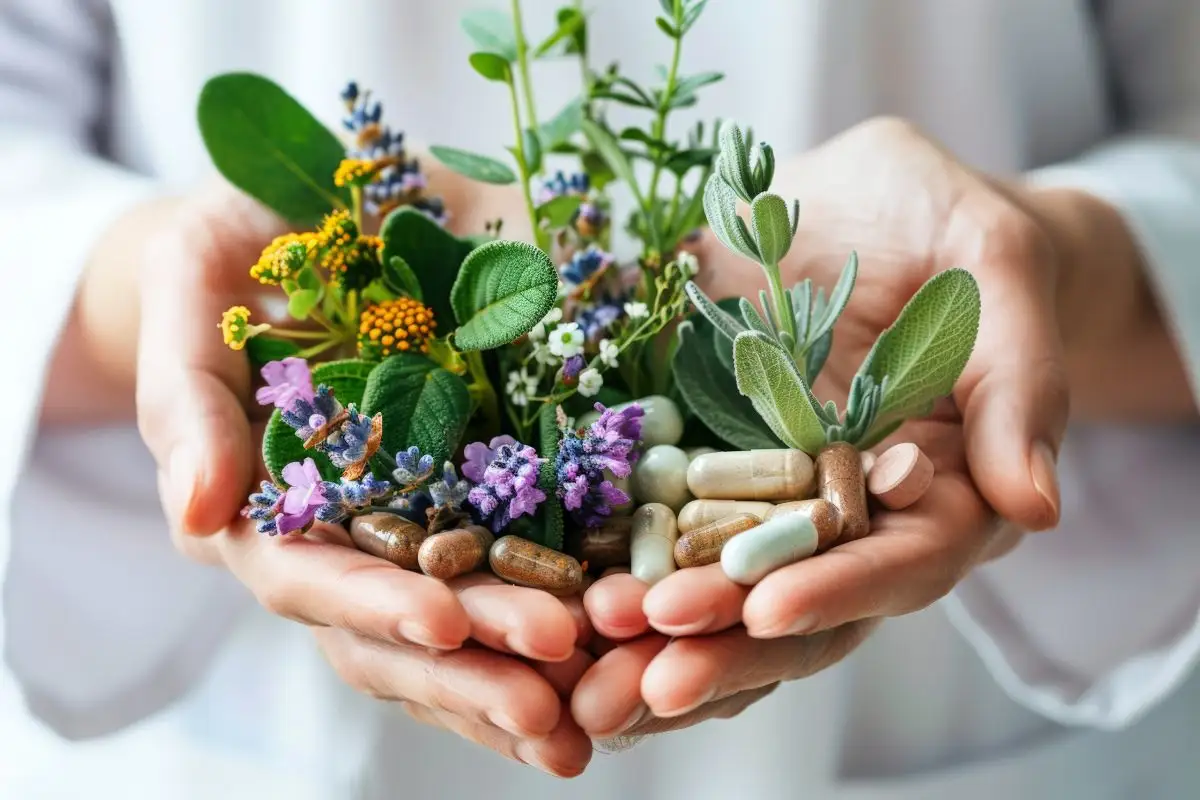


The allure of herbal teas for immune support is undeniable. Many of us, myself included, have reached for a comforting cup of elderberry, echinacea, or ginger when feeling a bit under the weather, hoping to give our body a natural boost. There’s a widespread belief that because these remedies come from nature, they’re inherently safe and gentle. We often hear stories of generations relying on these botanical allies, leading us to confidently integrate them into our daily routines, especially when focusing on overall wellness. Yet, this natural appeal can sometimes mask a deeper complexity, particularly when these immune-supporting sips meet the world of modern medicine. The truth is, even beneficial herbs can hold powerful compounds that interact with prescription or over-the-counter drugs. Understanding these potential interactions isn’t about fostering fear, but rather cultivating a deeper, more informed respect for both nature’s pharmacy and conventional healthcare.
# Unpacking the Immune System: Beyond Simple “Boosting”
From my perspective as a wellness strategist, one of the most common misconceptions I encounter is the idea of “boosting” the immune system as if it were a simple on/off switch. Our immune system is a marvel of intricate balance, a sophisticated network comprising two main branches: innate and adaptive immunity. Innate immunity is our body’s rapid, general defense system, like the first responders on a scene, acting quickly against common threats. Adaptive immunity, on the other hand, is the body’s highly specific, memory-based defense, learning from past encounters to mount a targeted response. Think of it as specialized forces remembering specific invaders.
The goal isn’t necessarily to “boost” it into overdrive, which can sometimes lead to issues like autoimmune responses. Instead, our aim should be to support and optimize its function, helping it operate efficiently and harmoniously. This involves nurturing key components like specialized immune cells, ensuring barrier integrity in our gut and skin, and maintaining healthy communication pathways throughout the body. Common myths abound, from believing a single vitamin C megadose cures a cold to thinking one specific herb provides impenetrable armor. While certain nutrients like zinc, Vitamin D, and Vitamin C are crucial for immune cell function, and plants like elderberry show promise in modulating immune responses, none of them act as a magic bullet. Real resilience comes from a holistic, consistent approach, not a quick fix.
# The Hidden Power of Plants: When Wellness Meets Pharmaceuticals
My journey into functional nutrition really highlighted just how potent plant compounds can be. I recall a client who was taking medication for blood pressure, proudly sharing her daily ritual of a specific “immune-boosting” herbal tea blend. It contained hawthorn, which is often used for heart health, and ginger, known for its anti-inflammatory properties. While individually beneficial, the combination raised a red flag. Hawthorn can have additive effects with blood pressure medications, potentially lowering blood pressure too much. Ginger, though mild, has some blood-thinning properties, which could be an issue if combined with anticoagulant medications.
This scenario isn’t rare. Many herbs found in popular immune teas—ginseng, echinacea, St. John’s Wort, even common chamomile—contain bioactive compounds that influence metabolic pathways in the liver (like the CYP450 enzyme system) or affect blood clotting, blood sugar, or blood pressure. This is where the interaction potential lies. If a medication is broken down by the same liver enzymes that an herb influences, either too much or too little of the drug could end up in the bloodstream. Too much could lead to heightened side effects or toxicity; too little might render the medication ineffective. For instance, St. John’s Wort is notorious for inducing these enzymes, potentially reducing the effectiveness of a wide range of drugs, including oral contraceptives, antidepressants, and blood thinners. It’s a delicate dance, and knowing your steps is crucial.
# Navigating Specific Interactions: Common Herbal Suspects
When we talk about specific herbal teas for immune support, certain ingredients pop up frequently. Let’s look at a few common ones and their potential for interaction.
Echinacea: A staple in many “cold and flu” teas, echinacea is often used to stimulate immune activity. While generally safe for short-term use, some studies suggest it might interact with immunosuppressant drugs, potentially reducing their effectiveness. For those with autoimmune conditions or organ transplants, this is a significant consideration. It also may mildly interact with caffeine, increasing its effects.
Ginseng (Panax ginseng): Widely lauded for its adaptogenic and immune-modulating properties, ginseng can be quite potent. It’s known to interact with blood thinners (like warfarin), potentially increasing the risk of bleeding. It can also affect blood sugar levels, which is a concern for individuals on diabetes medication. I’ve seen clients integrate ginseng into their routine without considering how it might subtly alter their insulin needs, creating an unexpected challenge.
Elderberry: A popular choice for viral support, especially during cold and flu season. While generally well-tolerated, some lab studies suggest elderberry might stimulate the immune system, theoretically raising a question about its use with immunosuppressants. However, real-world adverse interaction reports are less common for elderberry compared to, say, St. John’s Wort. Still, it’s always prudent to be aware.
Chamomile and Valerian: Often found in calming, sleep-supporting teas, these are sometimes used indirectly for immune health by promoting restorative sleep. Both can have sedative effects, and combining them with sedative medications (like benzodiazepines, opioids, or even some allergy medications) can lead to excessive drowsiness or impaired coordination. A good night’s sleep is vital for immunity, but not at the expense of safety.
Ginger: Excellent for digestion and inflammation, ginger can be a mild anticoagulant. While usually not a major concern on its own, when combined with blood thinners, antiplatelet drugs, or even high doses of aspirin, it could theoretically increase bleeding risk. For someone post-surgery or prone to bruising, this is a subtle but important detail.
The lesson here is not to avoid these beneficial herbs but to approach their use with informed caution, understanding that their power means they can influence body systems in ways that might overlap with medications.
# The Importance of a Full Disclosure Approach
A proactive strategy is essential. I always encourage individuals to have an open conversation with their healthcare providers—their doctor, pharmacist, or registered dietitian—about all supplements, herbal teas, and natural remedies they are using, or considering using. This includes not just the obvious ones, but even seemingly benign daily habits like a particular herbal tea blend. Many people only report their prescription drugs, forgetting to mention their carefully curated natural wellness routine. This creates a blind spot.
Pharmacists, in particular, are an invaluable resource. They are experts in drug metabolism and interactions. I’ve had countless discussions with pharmacists about ingredient lists for clients, finding their insights incredibly helpful in navigating potential overlaps. They can often provide specific guidance on whether an herb might interfere with a particular medication’s absorption, metabolism, or excretion. It might feel like a minor detail, but that conversation could prevent a significant health setback or ensure your prescribed medications are working as intended.

# Cultivating an Informed Wellness Practice
Building a robust immune system is truly a lifelong journey, woven into the fabric of our daily choices. It’s about consistency in nourishing foods—think colorful fruits and vegetables rich in vitamins, minerals, and antioxidants, and fermented foods that support a thriving gut microbiome. It’s about regular, moderate movement that circulates immune cells and reduces stress. It’s about prioritizing restorative sleep, which allows the body to repair and regenerate, crucial for immune function. And it’s profoundly about managing stress, as chronic stress can significantly dampen immune responses.
When it comes to herbal teas, my approach is one of mindful inclusion. I might enjoy a turmeric-ginger tea for its anti-inflammatory properties, or a peppermint tea for digestive comfort, especially when not on any interacting medications. If I were on a new medication, my first step would be to review all ingredients in my daily herbal rotation with my doctor or pharmacist. It’s about empowering yourself with knowledge and building a supportive team around your health. The goal is to move beyond passive consumption to active, informed participation in your own wellness story, making choices that truly serve your long-term health and resilience.
# Sustainable Strategies for Immune Resilience
Maintaining a resilient immune system is less about dramatic interventions and more about consistent, gentle adjustments to our living. During seasonal shifts, when respiratory challenges often emerge, I find myself emphasizing warming foods, ample hydration, and sufficient rest. It’s about tuning into our environment and adapting. For instance, in winter, I might lean more into mushroom extracts like reishi or chaga, known for their adaptogenic qualities, ensuring I source them from reputable providers and always checking for contraindications if I were taking other medications.
For families, fostering immune resilience can be built into daily routines: shared meals with plenty of vegetables, outdoor play for fresh air and movement, and calm evening routines that promote sleep. For remote professionals, creating clear boundaries between work and rest, scheduling movement breaks, and being intentional about meal preparation can prevent the sedentary habits and stress that can compromise immunity. It’s about creating a lifestyle where immune support isn’t an added chore but an integrated part of a thriving life. This involves mindful awareness of environmental exposures, like indoor air quality, and recognizing that immune health isn’t separate from overall well-being. It’s all connected.
Ultimately, the power to support your immune system lies in your hands, but it’s a power best wielded with knowledge and respect for your body’s complex systems. Rather than viewing immune support as a battle to be won, consider it a garden to be tended with care, patience, and informed choices. Embrace awareness over intensity, and consistency in daily wellness routines. Trust in your personal experience, adapt your habits as needed, and always complement your natural approaches with professional guidance. This thoughtful path leads not just to momentary boosts, but to truly sustainable, robust health.
# Herbal Teas and Your Meds: Navigating Potential Interactions for Immune Health
Understanding how different substances interact within your body is a cornerstone of proactive health management. As a wellness strategist with a deep appreciation for both traditional wisdom and scientific rigor, I often guide individuals through the nuances of integrating natural supports alongside conventional treatments. When it comes to immune-boosting herbal teas, their perceived gentleness can sometimes lead to an oversight of their powerful biochemical properties. It’s absolutely critical to approach their use with informed caution, especially if you are taking prescription medications.
This FAQ addresses common questions about potential interactions, helping you make safer, more informed choices for your immune well-being.
—
Can immune-boosting herbal teas truly interact with prescription medications?
Absolutely, yes. It’s a fundamental truth that anything capable of eliciting a physiological effect in the body, whether it’s a pharmaceutical drug or a botanical compound, has the potential to interact with other substances. Herbal teas are not simply benign beverages; they contain a complex array of bioactive compounds that can influence metabolic pathways, enzyme activity (like the cytochrome P450 system in the liver responsible for drug metabolism), and receptor sites, much like medications do. From my vantage point, overlooking these potential interactions is one of the most significant pitfalls in self-managing health. Many individuals incorrectly assume that “natural” equates to “safe” when combined with anything else, and this can lead to unexpected and sometimes dangerous consequences, ranging from reduced medication efficacy to increased side effects or toxicity.
How do herbal teas interfere with medications in the body?
Herbal teas can interfere with medications through several mechanisms. One common way is by altering the liver enzymes responsible for breaking down drugs. For instance, some herbs can either inhibit these enzymes, leading to higher-than-intended drug levels in your system, or induce them, causing medications to be cleared too quickly, thereby reducing their effectiveness. They can also compete for absorption sites in the gut, affect kidney function (which is vital for drug excretion), or possess their own pharmacological effects that either potentiate or antagonize a medication’s action. Think of a blood-thinning herb enhancing the effect of a prescribed anticoagulant, or an herb stimulating the immune system conflicting with an immunosuppressant drug. Understanding these pathways is key to appreciating the complexity involved.
Which common types of medications are most susceptible to interactions with immune-support herbs?
Several classes of medications warrant particular caution. Anticoagulants (blood thinners like warfarin), for example, are highly susceptible because many herbs (such as ginger, turmeric, and ginkgo) can also thin the blood, increasing the risk of bleeding. Immunosuppressants, often prescribed for autoimmune conditions or post-transplant, are another critical category, as immune-boosting herbs (like echinacea or elderberry) could potentially counteract their effects, compromising treatment. Medications for blood pressure, diabetes, heart conditions, antidepressants, and even over-the-counter pain relievers can also be influenced. The narrower a drug’s therapeutic window (meaning the small range between an effective dose and a toxic dose), the higher the risk of significant interaction with herbs.
Are there specific immune-boosting herbs or tea ingredients I should be particularly cautious about?
Indeed. While many herbs can pose risks, some frequently found in immune-support teas deserve special mention due to their known interactions:
Echinacea: While popular for immune support, it can interact with immunosuppressants and potentially affect liver metabolism.
Elderberry: Generally considered safe, but caution is advised with immunosuppressants, as it aims to stimulate immune response.
Ginger: Known for anti-inflammatory properties, but can increase the risk of bleeding when combined with anticoagulants. It may also affect blood sugar levels.
Turmeric (Curcumin): A potent anti-inflammatory, but also has blood-thinning properties and can affect drug metabolism.
Ginseng (especially Panax ginseng): Can interact with anticoagulants, medications for diabetes, and even stimulate the central nervous system, potentially interacting with stimulants or depressants.
St. John’s Wort (Hypericum perforatum): Although primarily an antidepressant herb, it’s sometimes found in broader wellness blends. It’s a strong inducer of liver enzymes and can reduce the effectiveness of a vast array of medications, including birth control pills, antiretrovirals, chemotherapy, and heart medications. Even small amounts in a tea blend can be problematic.
What are the potential signs or symptoms of a dangerous herb-drug interaction?
Recognizing the signs of an interaction is crucial. Symptoms can be diverse and might mimic other conditions, which is why open communication with your doctor is paramount. Look out for:
Increased side effects of your medication: For instance, if you’re taking a blood thinner, unusual bruising or bleeding could signal an interaction.
Decreased effectiveness of your medication: Your condition might worsen or your symptoms return because the herb is making your medication less potent.
New, unexplained symptoms: These could include nausea, vomiting, dizziness, changes in heart rate, severe fatigue, or unexpected allergic reactions.
Changes in laboratory test results: Blood tests for drug levels, liver function, kidney function, or clotting time might show abnormalities.
If you experience any unusual symptoms after combining an herbal tea with medication, cease consumption of the tea and contact your healthcare provider immediately.
Does the strength or frequency of consuming an herbal tea matter for interactions?
Absolutely, dosage and duration are critical factors. Just as with pharmaceutical drugs, the concentration of active compounds in an herbal tea, the amount you consume, and how frequently you drink it directly influence the likelihood and severity of an interaction. A single, weak cup of a certain herbal tea might have minimal impact, while several strong cups daily over an extended period could accumulate enough active compounds to cause a significant interaction. Think of it like taking a single aspirin versus a full bottle; the effect is dose-dependent. Consistency in daily habits, even with something as seemingly benign as a tea, accumulates over time and can alter your body’s chemistry in meaningful ways.
What steps should I take if I’m currently on medication but want to incorporate immune-support herbal teas?
This is where the “strategist” part of my role truly comes into play. The single most important step is to consult with your prescribing physician, pharmacist, or a qualified functional medicine practitioner who is knowledgeable about both pharmaceuticals and botanicals. Do this before you start any new herbal regimen. Provide them with a complete list of all medications you’re taking (prescription, over-the-counter, supplements), as well as the specific herbal teas or ingredients you’re considering. Be prepared to discuss your health history and any underlying conditions. They can assess your individual risk based on your specific medications and health profile, offering personalized guidance.
Is there a misconception that because something is “natural,” it’s automatically safe to combine with medication?
Without a doubt, this is one of the most pervasive and dangerous misconceptions in wellness. The term “natural” often carries an aura of safety and purity, leading people to believe that if it comes from a plant, it must be benign. However, many potent pharmaceutical drugs, like aspirin (from willow bark) or digoxin (from foxglove), were originally derived from plants. Natural doesn’t mean inert or free from side effects or interactions. In fact, some of the most powerful toxins known to humankind are natural plant compounds. As an immunology-informed health advisor, I consistently emphasize that the active biochemicals in herbs are just as “real” and potent as synthetic compounds, and they deserve the same level of respect and scrutiny regarding their potential interactions.
What information should I share with my healthcare provider about my herbal tea habits?
Transparency is your greatest asset in ensuring safety. When discussing your health with your doctor or pharmacist, provide a comprehensive list of:
All current prescription medications, including dosage and frequency.
All over-the-counter drugs you take regularly (e.g., pain relievers, antacids).
All dietary supplements (vitamins, minerals, fish oil, probiotics, etc.).
Every single herbal tea you consume, specifying the brand, ingredients, frequency, and typical cup strength. If you’re considering a new tea, bring the package or a list of its ingredients.
* Any traditional remedies or alternative therapies you are using.
It’s crucial to be honest and complete; withholding information, even if it seems minor, can inadvertently put your health at risk. Think of your healthcare team as your navigators; they can only guide you effectively if they have a complete map of your terrain.
Beyond consulting my doctor, what’s a practical, safe approach to integrating herbal support while on medication?
After you’ve had that crucial conversation with your healthcare provider, a practical, safe approach involves mindful integration:
1. Educate Yourself: Learn about the specific herbs in your teas. Reliable sources include the National Institutes of Health (NIH) National Center for Complementary and Integrative Health (NCCIH), the World Health Organization (WHO), and credible scientific journals.
2. Start Low and Go Slow (if approved): If your doctor gives the green light, begin with a very small amount and observe your body’s response carefully.
3. Monitor Closely: Pay keen attention to any new symptoms or changes in how your medication affects you. Keep a journal of your tea consumption and how you feel.
4. Buy from Reputable Sources: Choose high-quality, organic teas from established brands. This helps ensure product purity and reduces the risk of contamination or mislabeled ingredients.
5. Avoid “Kitchen Sink” Blends: Teas with too many different herbs increase the potential for complex, unpredictable interactions. Opt for simpler formulations when possible.
6. Trust Your Instincts (and Science): If something feels off, or if you read credible information suggesting a potential issue, stop and re-evaluate with your healthcare team. My experience has shown me that true immune resilience isn’t about throwing everything at the wall, but rather about making informed, strategic choices that align with your body’s unique needs and existing health landscape.
Supporting your immune system naturally is a powerful step towards long-term wellness, but it must be done with awareness and respect for the intricate biochemistry of your body. Empowerment comes from knowledge, and safety always comes first.