
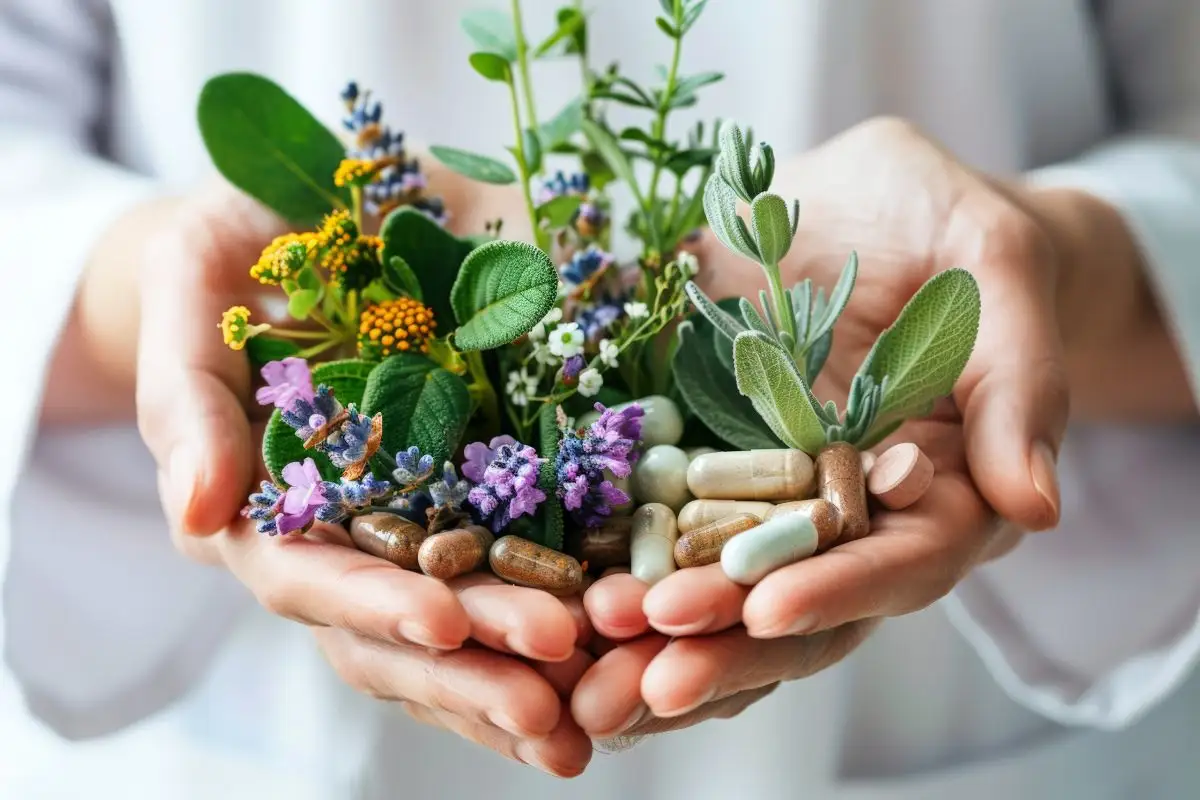


Is the comforting ritual of your mental health herbal tea habit subtly concealing risks you haven’t considered? In our modern quest for well-being, many of us turn to natural remedies, finding solace and a sense of control in a warm mug of herbal infusion. We are drawn to the promise of gentleness, the allure of ancient wisdom, and the idea that something “natural” must inherently be safe. Yet, this very perception can be a dangerous blind spot, obscuring potential side effects, interactions, and misuse that could undermine the very mental health we seek to support.
The landscape of herbal medicine, particularly for mental health, has shifted dramatically. What was once a localized practice, guided by generations of specific knowledge passed down within communities, has become a globalized, commodified industry. The old rules, where an experienced village herbalist knew the plant intimately, its local growing conditions, and the individual patient’s constitution, no longer broadly apply. Today, we often source our herbs from anonymous online vendors or supermarket shelves, with little to no personal connection to the plant or its history. This detachment from the source and traditional wisdom creates a void, leaving us vulnerable to misinformation and unintended consequences.
At its core, “herbal tea for mental health” refers to the practice of steeping dried plant parts—leaves, flowers, roots, barks, or seeds—in hot water to extract their medicinal compounds. These compounds, known as phytochemicals, are not simply inert substances; they are biologically active molecules designed by the plant to interact with living systems. When consumed, they can influence neurotransmitters, modulate stress responses, alter sleep patterns, and impact mood, much like pharmaceutical drugs. Understanding this pharmacological reality, even in a simplified way, is crucial. You aren’t just drinking “a cup of relaxation”; you are ingesting a complex blend of compounds with real, measurable effects on your physiology.
Several hidden misconceptions fuel this passive acceptance of herbal teas. The first is that because they are “natural,” they are always gentle and non-addictive. While many are, others, like Kava or high doses of Valerian, can pose risks of dependence or withdrawal if used excessively or for prolonged periods. Another pervasive myth is that herbs cannot interact with pharmaceutical medications. This is profoundly untrue and potentially life-threatening. St. John’s Wort, for instance, is notorious for interacting with antidepressants, birth control, and immunosuppressants.
The belief that “more is better” is another dangerous misconception. Herbal potency varies wildly depending on the species, growing conditions, harvest time, and preparation method. Excessive dosages can lead to toxicity, liver damage, or paradoxical effects where a calming herb might become agitating. Furthermore, assuming “all herbs from the same plant are the same” ignores the nuanced world of botany. Different subspecies or even different parts of the same plant can have distinct chemical profiles and effects. Finally, the idea that “if it works for my friend, it’s safe for me” overlooks individual biochemistry, allergies, and unique health conditions that make one person’s remedy another’s ailment.

Navigating this complex terrain requires a proactive, informed approach. Here are five structured strategies to ensure your herbal tea habit is truly supportive of your mental well-being:
1. Research Beyond the Label: Know Your Plant, Not Just Its Name.
Don’t just grab a bag labeled “Relaxing Tea.” Delve into the specific species of the herb (e.g., Matricaria recutita for German Chamomile), its active constituents, and reputable sourcing practices. Understand where it was grown, how it was processed, and if third-party testing confirms purity and potency. Look for certifications or transparency from suppliers regarding their wildcrafting or cultivation methods, ensuring sustainability and ethical practices. This deep dive moves beyond marketing and into the true nature of the botanical you are inviting into your body.
2. Consult a Qualified Practitioner: Bridge the Knowledge Gap.
Before integrating herbal teas as a primary mental health support, especially if you have pre-existing conditions, are on medications, or are experiencing severe symptoms, consult a qualified healthcare professional. This could be a medical doctor familiar with integrative medicine, a clinical herbalist, or a naturopathic doctor. They can assess your individual health profile, recommend appropriate herbs and dosages, and screen for potential interactions or contraindications. Their expertise provides a critical safety net and personalized guidance that generalized advice cannot offer.
3. Start Low, Go Slow, and Observe Diligently.
When introducing a new herb, begin with the lowest recommended dose and gradually increase it only if necessary and well-tolerated. Focus on one new herb at a time to clearly identify its effects. Maintain a detailed journal, noting the herb, dosage, time of consumption, and any changes in mood, energy levels, sleep quality, digestion, or unusual symptoms. Pay close attention to subtle shifts. This methodical approach allows your body to acclimate and helps you discern whether an herb is truly beneficial or causing unwanted reactions.
4. Understand Potential Drug Interactions: A Non-Negotiable Step.
This strategy cannot be overstated. Before consuming any herbal tea, particularly those known for their psychoactive properties (e.g., St. John’s Wort, Kava, Valerian, Lemon Balm, Passionflower), research its potential interactions with all medications, supplements, and even other herbs you are currently taking. Websites like the National Institutes of Health (NIH) or reputable drug interaction checkers can be good starting points, but always confirm with a healthcare professional. Failing to do so can lead to reduced drug efficacy, increased side effects, or dangerous physiological responses.

5. Cycle Your Herbs and Take Regular Breaks: Prevent Tolerance and Dependence.
Even seemingly benign herbs can lead to tolerance or subtle dependence if used consistently over long periods. To maintain effectiveness and prevent your body from adapting excessively, consider cycling your herbs. This might involve alternating between two or three different calming teas or taking regular breaks for a few days or weeks. This practice not only keeps your body responsive but also reduces the risk of long-term accumulation of compounds that might have unforeseen consequences. It fosters a relationship of mindful interaction rather than habitual reliance.
To truly understand your relationship with herbal teas and your mental health, engage in these practical self-assessments:
1. The “Why Am I Drinking This?” Check: Pause before brewing your next cup. Ask yourself: “Am I reaching for this tea to genuinely support a specific imbalance, or am I avoiding a deeper issue or a difficult emotion?” Are you seeking a quick fix for anxiety that might be better addressed through therapy or lifestyle changes? This reflection can reveal underlying motivations and guide you towards more holistic solutions.
2. The Interaction Inventory: Take out a pen and paper. List every single medication (prescription and over-the-counter), supplement, and herbal tea you consume regularly. Then, systematically research potential interactions between each item on your list. Highlight any red flags and discuss them immediately with your doctor or pharmacist. This proactive inventory is a vital step in personal health management.
3. The Response Journal: For a period of two to four weeks, keep a daily log. Note the specific herb(s) you consume, the dosage, and the time. Track your mood, energy levels, sleep quality, digestive health, and any physical sensations or unusual thoughts. Look for patterns: Does a particular tea make you feel clearer, or does it leave you slightly foggy? This objective tracking helps you discern true effects from placebo and identify subtle side effects.

4. The Sourcing Scrutiny: Pull out your herbal tea containers. Can you identify the exact species of plant used? Does the label provide information about its origin, harvest date, or any purity testing? If not, consider researching the brand or seeking alternatives with greater transparency. Knowing the provenance of your herbs instills confidence and ensures you’re getting what you pay for, safely.
It might seem counterintuitive, but sometimes the most potent mental health support doesn’t come directly from the herb itself. Rather, it emerges from the self-awareness cultivated by understanding why you’re reaching for that tea in the first place. The act of seeking an herbal solution, while often beneficial, can also inadvertently distract from the deeper, non-herbal root causes of distress, such as chronic stress, nutritional deficiencies, lack of movement, social isolation, or unresolved trauma. Herbs can be powerful allies, but they are rarely standalone cures for complex mental health challenges.
Embracing herbal teas for mental health can be a profoundly enriching and empowering practice, connecting us to the ancient wisdom of plants. However, this connection must be forged with deep respect, informed curiosity, and an unwavering commitment to personal responsibility. The path of natural healing is not a free pass from scrutiny; it demands vigilance, research, and a partnership with knowledgeable practitioners. Let us approach these botanical gifts not as simple commodities, but as potent allies deserving of our careful attention, ensuring that our quest for well-being is truly safe, sustainable, and holistically grounded.